- Spanish-Latin America
- Japanese-JP
- Chinese
- Europe
- Português-BR

Tech Support
(888) 598-9901
Hours: Mon-Fri 8AM-8PM EST
nep-usa@site_ea168614-f5f4-4298-bd5b-880b4cf8d99d
How to Save Energy in 2026?
In 2026, saving energy is less about one dramatic upgrade and more about noticing what runs, when, and why. A heating system working against an open window wastes comfort as well as electricity. A charger left warm behind the sofa is a small clue, not a household emergency. Practical energy saving begins with those ordinary details. Check the thermostat schedule, replace dirty HVAC filters as directed, and switch off lights in empty rooms. Small steps add up, though results depend on your home, climate, and energy rates.
Fatih Birol, executive director of the International Energy Agency, has described energy efficiency as “the first fuel.” That idea offers a useful starting point: use energy more carefully before paying for more supply. A smart meter or utility bill can show when consumption rises, while a simple room-by-room walk-through can reveal drafts, aging bulbs, and appliances running unnecessarily. Bigger investments, such as insulation or a heat pump, may help, but they need to fit the building and budget. There is no universal checklist. Some advice sounds easy until a landlord, old wiring, or a tight budget gets in the way. That matters. This guide explores realistic ways to save energy in 2026, explains which changes are worth investigating, and points out where careful measurement beats guesswork. Begin with what you can observe. Then adjust, compare your usage, and revise the plan when the numbers—or daily comfort—do not improve.
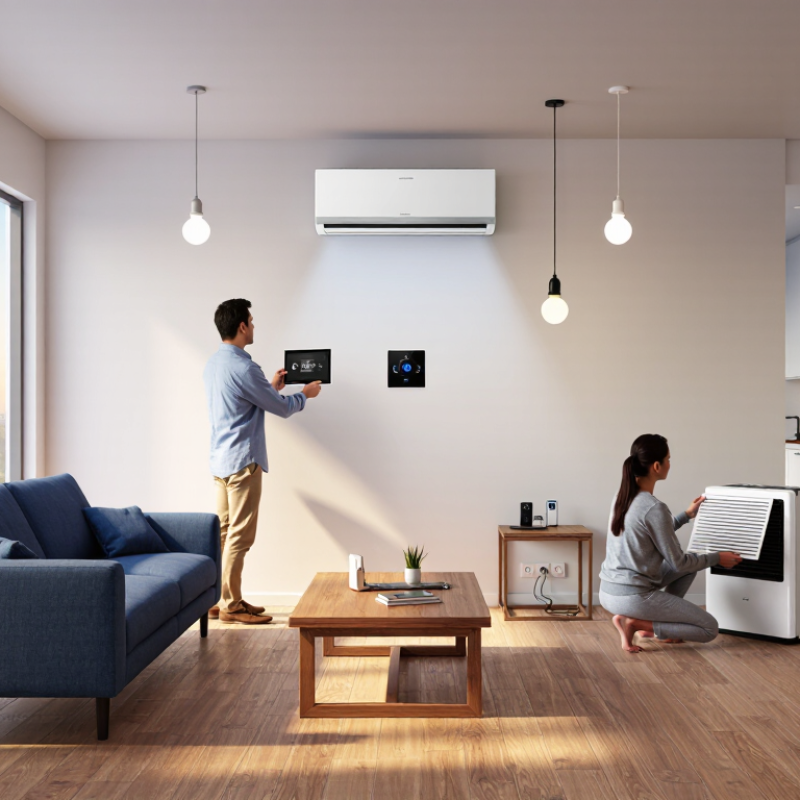
Assess Your Baseline: Buildings Use 30% of Global Final Energy (IEA)
Buildings account for about 30% of global final energy use, according to the International Energy Agency. That share makes buildings an important place to look for savings. But a global statistic cannot tell you what one home or office wastes. Start with its own energy baseline.
Collect twelve months of utility bills, if available. Note electricity, gas, or other fuels separately, along with floor area and operating hours. Record indoor temperatures and occupancy, too. A cold week or a busy month can distort comparisons. The baseline will not be perfect. That is useful to admit, rather than treating one bill as a verdict.
Walk through the space during normal use. Check whether lights stay on in empty rooms, heating runs with windows open, or hot water arrives slowly. Compare meter readings before and after one small change, such as adjusting schedules or lowering an unused room’s temperature. Change one thing at a time. Otherwise, it is hard to tell what helped. Weather and occupant habits complicate the picture, so track them beside energy use. A spreadsheet and a few dated notes are enough to reveal patterns worth investigating.
Related Posts
-

Why Is Energy Saving Important in Global Sourcing?
-

How Can China Best Products Help You Save on Energy?
-

How to Reduce Your Power Bill in China?
-
2026 Top Electricity Saving Box Reviews and Benefits for Homeowners
-
Top 10 Power Distribution Methods for Efficient Energy Management?
-
Why Are Energy Tariffs Important for Consumers and the Environment?
Get in touch
Our mission is to develop cutting-edge clean energy technology and provide next-generation solar inverters.
Phone
(888) 598-9901
nep-usa@site_ea168614-f5f4-4298-bd5b-880b4cf8d99d
