Why Are Energy Tariffs Important for Consumers and the Environment?
Energy tariffs play a crucial role in shaping consumer behavior and influencing environmental outcomes. These tariffs impact how much household energy costs, which directly affects budgets. Understanding energy tariffs is vital for making informed choices. They determine the price we pay for electricity and gas, often linked to how energy is generated.
Consumers often overlook energy tariffs, yet their significance is substantial. When we select a provider or plan, we must assess these costs carefully. Higher tariffs can lead to increased expenses, pushing consumers towards more sustainable energy sources. On the other hand, competitive tariffs can promote the use of renewable energy.
The conversation around energy tariffs should not end with cost. Each decision impacts environmental health. Shifting towards greener options can lower carbon footprints. Yet, some may struggle to grasp the benefits of energy tariffs fully. This complexity invites reflection on how consumer choices affect broader environmental strategies. Are we choosing wisely? Recognizing the weight of these tariffs can guide more conscious decisions for our wallets and the planet.

Understanding Energy Tariffs: Definition and Types
Energy tariffs play a crucial role in determining how consumers manage their expenses. Understanding the definition and types of energy tariffs helps in making informed choices. Energy tariffs can be categorized into fixed-rate, variable-rate, and time-of-use tariffs. Fixed-rate tariffs offer stability, locking in prices for a set period, which protects consumers from sudden market fluctuations.
Variable-rate tariffs, on the other hand, fluctuate with the energy market. While they may offer savings during low-demand periods, they also risk higher costs when prices rise. Time-of-use tariffs charge consumers based on peak and off-peak hours. This encourages energy use during less busy times, benefiting both the consumer and the environment.
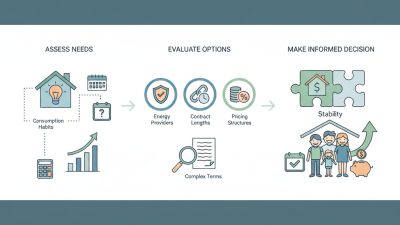
Consumers should reflect on their energy consumption patterns. Choosing the right tariff requires understanding personal habits. A mismatch between habits and tariff type can lead to higher bills. As energy resources dwindle and the environment suffers, these choices become even more critical. Prices, environmental impact, and personal usage must all be considered.
The Role of Energy Tariffs in Consumer Costs and Savings
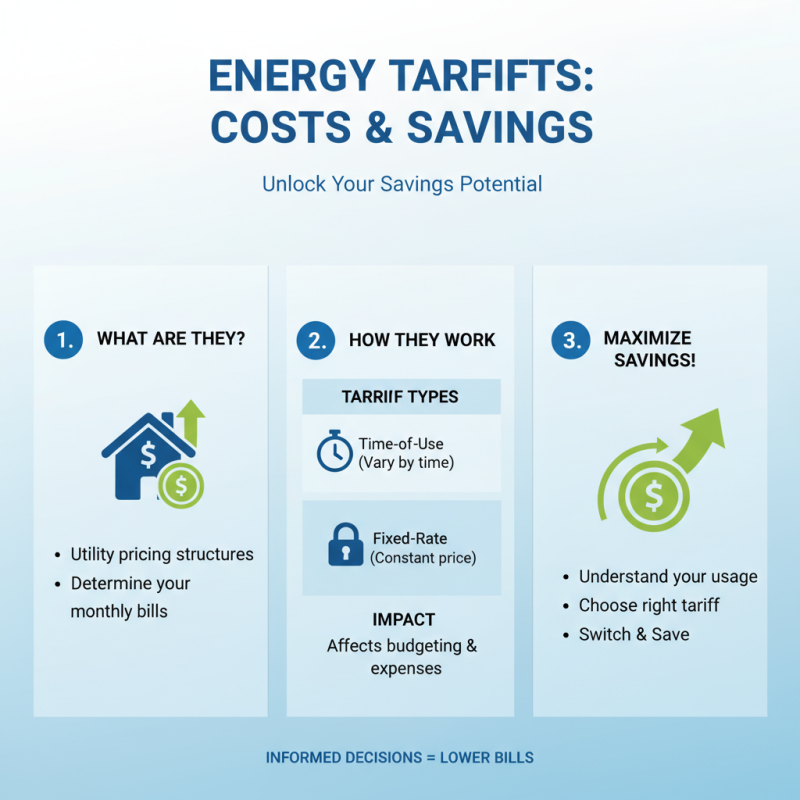
Energy tariffs play a significant role in determining consumer costs. They affect monthly bills and overall budgeting. Understanding these tariffs is crucial for making informed decisions. Consumers need to be aware of different tariff structures. Some options may favor usage patterns, while others may offer fixed rates. This knowledge can lead to substantial savings.
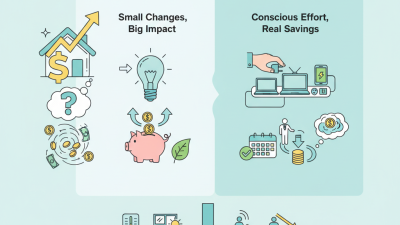
Moreover, managing energy consumption is essential. Using energy-efficient appliances can lower costs. Many consumers struggle to find the best tariffs for their needs. A comparison of various plans is beneficial. Ultimately, some consumers may end up paying more than necessary. Small changes in usage habits can also impact bills. Being proactive is key to reaping financial benefits.
Switching to greener energy is becoming more mainstream. This shift can lead to lower long-term costs. However, consumers often face challenges when navigating energy tariffs. Complex language and jargon can be frustrating. Understanding the environmental impact of these choices is equally important. Tariffs can encourage or discourage renewable energy usage. It is a balancing act between saving money and protecting the planet. Engaging in this dialogue is necessary for informed decision-making.
Environmental Impact of Energy Tariffs: A Sustainable Perspective
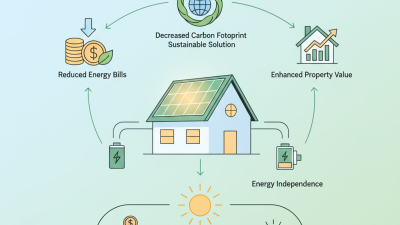
Energy tariffs play a crucial role in shaping our environmental landscape. They dictate how consumers access energy sources, which can influence overall consumption and waste. Each rate plan encourages or discourages specific behaviors. By selecting green energy options, consumers can reduce their carbon footprint. The impact of these choices extends beyond individual households, affecting entire communities and ecosystems.
Sustainable tariffs promote renewable energy sources like solar and wind.
They encourage investments in cleaner technologies. This shift could mitigate pollution and conserve natural resources. However, not all tariffs are created equal. Some may inadvertently support fossil fuel use, leading to increased emissions. Awareness is key. Consumers must scrutinize their energy choices and understand their broader implications.
The challenge lies in balancing affordability and sustainability. Energy costs can be a burden for many households. A sudden switch to green options might deter low-income families. This creates a need for education and responsible policymaking. Striking the right balance can foster a cleaner planet while supporting all consumers. It’s a complex puzzle demanding ongoing dialogue and innovation.
How Energy Tariffs Influence Renewable Energy Adoption
Energy tariffs play a crucial role in the transition to renewable energy. They directly influence consumer choices, shaping the market dynamics for green energy options. According to a report by the International Renewable Energy Agency (IRENA), countries with supportive energy tariffs see a 60% increase in renewable energy adoption. This showcases how pricing strategies can make green energy more accessible and appealing.
Moreover, energy tariffs can also hinder progress. In regions where fossil fuels remain subsidized, consumers often face higher costs for renewable options. The U.S. Energy Information Administration (EIA) notes that in states with lower tariffs for renewable sources, adoption rates stall. This serves as a reminder that not all pricing structures promote sustainable growth.
Incentives can drive significant change. Countries implementing feed-in tariffs have reported up to a 30% rise in renewable installations within just a few years. However, the complexity of tariff structures can confuse consumers. Clear, fair pricing is essential for informed choices. A nuanced approach should consider both the economic and environmental impacts, ensuring that energy tariffs are truly fostering a greener future.
Impact of Energy Tariffs on Renewable Energy Adoption
The Future of Energy Tariffs: Trends and Innovations in Energy Pricing
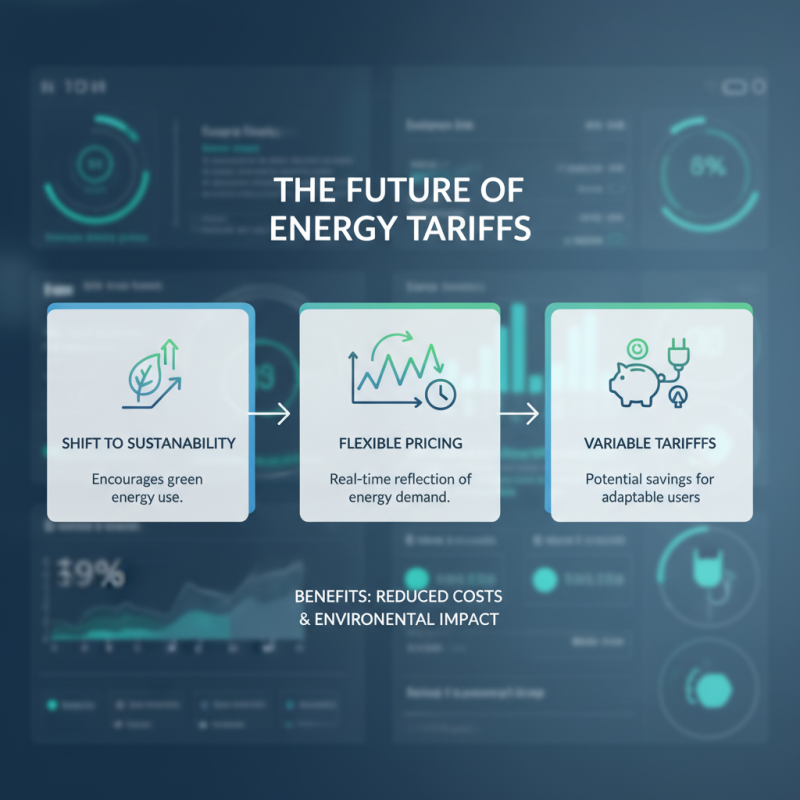
Energy tariffs are evolving rapidly. These changes directly impact both consumers and the environment. Emerging trends in energy pricing show a shift toward sustainability and flexibility. Variable tariffs are becoming more common, reflecting real-time energy demands. This approach offers potential savings for users who adapt their energy use patterns.
Innovations like time-of-use pricing are gaining traction. This pricing strategy encourages users to consume energy during off-peak hours. It can reduce overall demand, which is beneficial for the environment. Adopting this practice may help lower your energy bills.
Tip: Monitor your energy usage patterns. Small changes can lead to significant savings.
The rise of smart meters further enhances energy pricing. These devices provide real-time usage data, empowering consumers. Yet, some find the technology intimidating. It requires a commitment to understanding how to use this data effectively.
Tip: Take time to learn about your smart meter’s features. Knowledge is power in managing your energy costs.
The future will likely see more tailored energy tariffs. Customization will depend on individual consumption habits. Learning to navigate these options will become crucial for environmentally conscious consumers. The challenge lies in embracing this new reality.