We use our own and third-party cookies to improve our services. If you continue browsing, we will consider that you accept this use. Read More

OK

English-US
  • Spanish-Latin America
  • Japanese-JP
  • Chinese
  • Europe
  • Português-BR

Tech Support

(888) 598-9901
Hours: Mon-Fri 8AM-8PM EST

E-mail

nep-usa@site_ea168614-f5f4-4298-bd5b-880b4cf8d99d

How to Reduce Your Power Bill in China?

In recent years, the rising costs of electricity have become a significant concern for households in China. Data from the National Energy Administration reports a steady increase in power bills, with residential electricity rates climbing by approximately 20% over the past five years. This trend can burden many families and challenge their financial stability.

There are practical strategies to help reduce your power bill. Simple actions, such as using energy-efficient appliances, can lower consumption significantly. According to the China Household Energy Consumption Survey, households using energy-efficient devices saved an average of 15% on their electricity costs. This is a tangible way to reflect on energy usage.

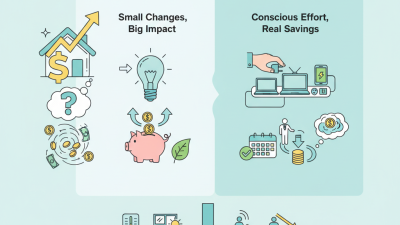
However, finding the balance between comfort and conservation can be difficult. It’s easy to overlook small habits that contribute to higher power bills. For instance, leaving lights on or overusing heating and cooling systems adds up. Addressing these issues requires mindfulness and a commitment to sustainable practices. By examining our energy consumption habits closely, we can make significant progress in reducing our power bills.

How to Reduce Your Power Bill in China?

Understanding Energy Consumption Patterns in China

Understanding energy consumption patterns in China is crucial for reducing power bills. According to the China Electricity Council, residential energy consumption has increased by approximately 12% from 2019 to 2021. This rise affects household costs significantly.

Households in urban areas typically use more electricity than those in rural regions. Reports indicate that air conditioning and heating account for about 40% of residential energy use. This presents an opportunity for consumers to focus on regulating these appliances. Simple changes, like setting thermostats at moderate temperatures or using energy-efficient appliances, can lead to noticeable savings.

Moreover, understanding peak usage times can aid in reducing costs. Energy costs are often higher during peak hours. For instance, between 6 PM and 9 PM, electricity demand spikes. Shifting heavy tasks, like laundry, to off-peak hours can optimize consumption. This kind of adjustment might seem minor, yet it can substantially decrease monthly bills.

Choosing Energy-Efficient Appliances for Your Home

When choosing energy-efficient appliances for your home, consider the long-term benefits. Appliances with high energy ratings can significantly lower electricity bills. According to the China Energy Efficiency Label, products with an A++ rating consume up to 50% less energy than standard models over their lifespan. This means substantial savings on your monthly power bill.

However, not all high-rated appliances are as efficient in different usage conditions. For example, an air conditioner may perform well in one room but inefficiently in another due to insulation issues. Before purchasing, assess how often you will use an appliance. This can help gauge its actual cost-effectiveness.

Additionally, consider the initial investment versus future savings. Many consumers overlook the fact that cheaper appliances might lead to higher costs later on. A study showed that consumers often prioritize purchase price over energy efficiency, ignoring long-term financial impacts. Taking time to evaluate energy-efficient choices is essential for maximizing savings.

Energy Efficiency of Common Household Appliances in China

This chart illustrates the average annual energy consumption of common household appliances in China. By choosing energy-efficient models, such as recent LED bulbs or high-efficiency refrigerators, consumers can significantly reduce their electricity bills.

Implementing Smart Home Technologies to Manage Energy Use

Implementing smart home technologies can significantly reduce your power bill in China. These technologies offer real-time insights into energy consumption. For instance, smart thermostats learn your routine and adjust heating and cooling automatically. This means less wasted energy when you're not home. Smart lights can be scheduled to turn off during the day, preventing unnecessary usage.

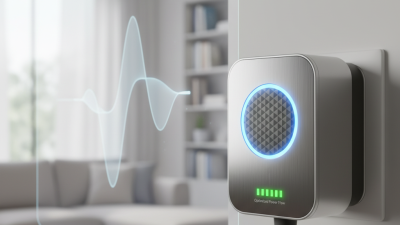
Smart plugs provide another layer of control. You can monitor and manage devices remotely, ensuring they are off when not needed. Imagine receiving a notification if a device is left on. Home automation can also optimize energy use, but it requires careful planning. Devices may not always function as expected. Integration issues can lead to frustration, affecting overall efficiency.

Investing in smart meters can empower you with data. You might discover peak usage times that drive up costs. However, the upfront investment in these technologies may raise concerns. It's essential to weigh the long-term savings against the initial costs. Reflect on how you use energy daily and identify improvements. A smart home isn't just about gadgets; it's about thoughtful energy management.

Adopting Renewable Energy Sources: Solar and Wind Options

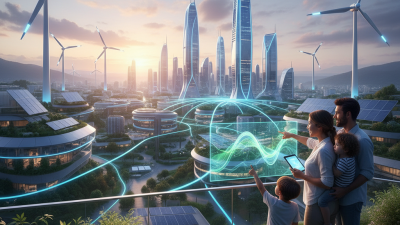
In China, adopting renewable energy sources can significantly lower your power bill. Solar and wind energy are two viable options for homeowners and businesses alike. By harnessing these natural resources, you can reduce reliance on grid power and decrease monthly expenses.

Solar panels come with upfront costs, but they can provide savings over time. They convert sunlight into electricity, ideal for regions with ample sunshine. Installation should be done by a certified professional to ensure effectiveness. Regular maintenance is key to keeping your system efficient, as dirt and debris can hamper performance.

Wind turbines are another sustainable choice. They can be a good fit for areas with consistent wind patterns. Small-scale turbines can generate power to supplement your electricity needs. Evaluate local zoning laws before installation, as regulations may vary.

**Tips:** Consider starting small with a solar water heater. It's a practical way to test out solar energy without a large commitment. Research local incentives for renewable energy adoption; subsidies may help offset costs. Finally, assess your energy usage to determine the ideal size for a solar or wind system.

How to Reduce Your Power Bill in China? - Adopting Renewable Energy Sources: Solar and Wind Options

Renewable Energy Source Average Installation Cost (per kW) Average Annual Output (kWh) Payback Period (Years) Average Savings per Year (CNY)
Solar Panels CNY 5,000 1,200 5 CNY 1,400
Wind Turbines CNY 10,000 2,500 8 CNY 2,500
Hybrid Systems CNY 8,000 1,800 7 CNY 2,000

Practical Tips for Reducing Electricity Usage Day-to-Day

Reducing your power bill in China requires practical steps for daily life. Many households can cut costs significantly by focusing on energy efficiency. According to the China Electricity Council, residential electricity use accounts for about 27% of total consumption. Implementing mindful practices can lower this percentage.

Start by using energy-efficient appliances. Look for those with high energy ratings. Replacing an old refrigerator can save you up to 30% in energy costs. Smart thermostats also help by optimizing heating and cooling when you are home or away. These small changes accumulate to impressive savings.

Consider your lighting choices. Switching to LED bulbs can reduce electricity usage by 75%. They last longer and are more economical. Turn off lights in unused rooms. Not only does it cut costs, but it helps the environment too.

Remember, everyone can improve. Sometimes it feels inconvenient to change habits, but even small adjustments contribute to lower bills. Track your daily usage and identify the largest consumers of energy in your home. Reflect on your choices and make a conscious effort to change. Every little bit counts when reducing your power bill.

Get in touch

Our mission is to develop cutting-edge clean energy technology and provide next-generation solar inverters.

Phone

(888) 598-9901

E-mail

nep-usa@site_ea168614-f5f4-4298-bd5b-880b4cf8d99d