Top 10 Power Distribution Methods for Efficient Energy Management?
Effective power distribution is vital for modern energy management. Proper methods ensure energy flows efficiently, reducing waste and costs. The right strategies also enhance system reliability and sustainability.
This article explores the top ten power distribution methods. These approaches help organizations manage energy better. Each method has unique strengths, but not all fit every situation. Some may require significant investment or technical expertise.
Choosing the right power distribution method can shape a facility's energy future. It's essential to assess specific needs and constraints. Some solutions might seem ideal but may have hidden drawbacks. Critical evaluation is key to optimizing energy management.
Overview of Power Distribution Methods in Energy Management
Efficient energy management is crucial in today's world.
Power distribution methods play a key role in this process. From traditional grid systems to renewable energy sources, the landscape is evolving. Understanding these methods can help organizations optimize energy use.
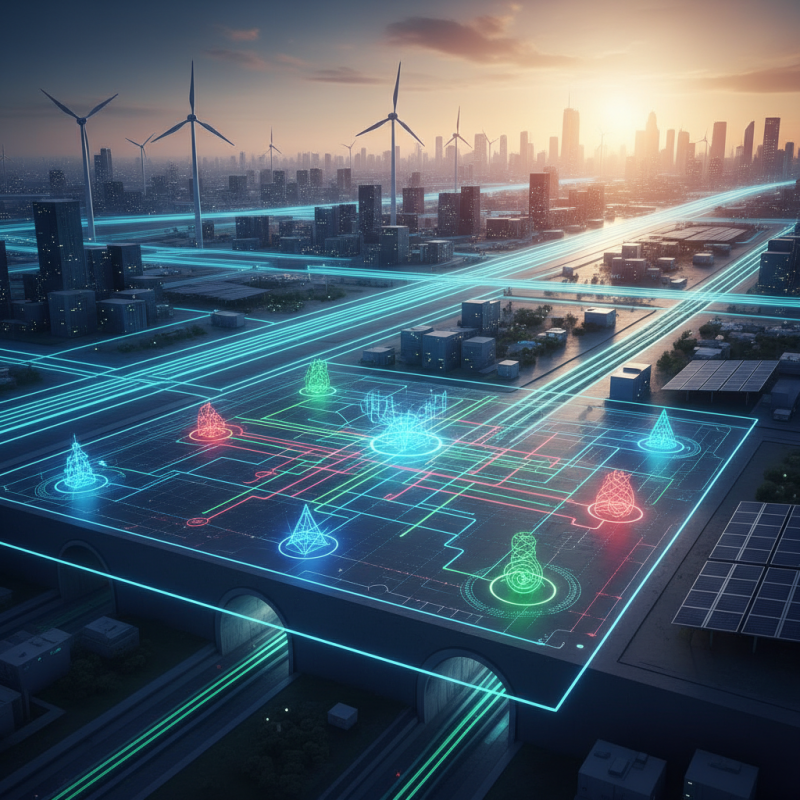
One significant method involves smart grids. They use digital technology to enhance electricity distribution. Real-time data helps in identifying issues quickly. Another notable technique is microgrid systems. These localized grids can operate independently, supporting energy resilience. However, not every location can benefit equally from these technologies due to infrastructure limitations.
Additionally, demand response strategies are gaining traction. They adjust power usage based on availability. This method can reduce strain during peak hours. While effective, it requires consumer participation and education. Transitioning to these modern methods is not without challenges, but exploring them is essential for sustainable energy management.
Traditional Power Distribution: Principles and Practices
Traditional power distribution has been critical in shaping energy management practices. It typically relies on established methodologies that date back several decades. Conventional grids have demonstrated reliability in transporting electricity from generation points to consumers. However, recent studies reveal a gap in efficiency. According to the International Energy Agency, nearly 8-12% of energy is lost during distribution in aging infrastructure.
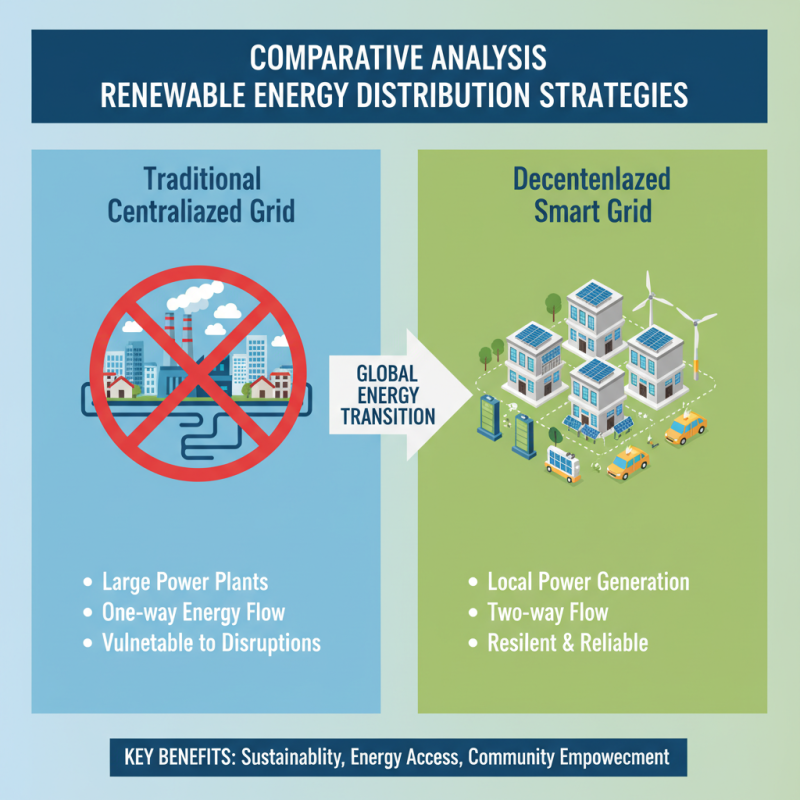
One significant principle of traditional power distribution is its centralized nature. Energy flows from large power plants to substations, eventually reaching end-users. This model, while dependable, faces challenges in modern contexts. As renewable resources gain traction, the demand for distributed generation increases. A 2022 report from the U.S. Department of Energy indicates that 22% of new energy capacity comes from distributed sources, highlighting a shift in energy dynamics.
Despite its robustness, the traditional approach must adapt. Grid congestion and bottlenecks can lead to outages, particularly during peak demand. Analysis by the Electric Power Research Institute suggests that upgrading infrastructure can improve efficiency by as much as 30%. This calls for strategic investments in technology and innovation to optimize energy management. In conclusion, revisiting these foundational practices is essential for a sustainable energy future.
Innovative Technologies Advancing Power Distribution Efficiency
Innovative technologies are transforming power distribution efficiency. Smart grids are at the forefront of this change. They use digital communication technology to optimize electricity usage. With real-time data, utilities can manage demand effectively. This minimizes wastage and maximizes reliability. However, this technology requires substantial investments and infrastructure overhauls.
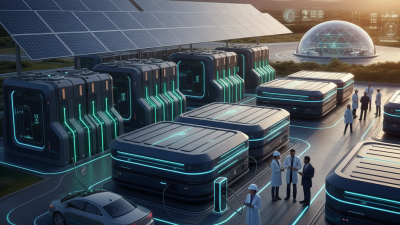
Another game-changer is energy storage systems. These systems capture surplus energy for later use. They play a crucial role in integrating renewable energy sources like solar and wind. Despite their advantages, the cost of batteries remains a barrier for many. Additionally, installation can be complex, requiring skilled technicians.
Microgrids are also emerging as a promising solution. They operate independently or in conjunction with the main grid. This flexibility enhances resilience during outages. Nevertheless, establishing microgrids can be a logistical challenge. Local regulations and community engagement are vital for success. Exploring these technologies presents both opportunities and obstacles. The journey to efficient power distribution is ongoing, requiring collective effort and innovation.
Top 10 Power Distribution Methods for Efficient Energy Management
Method
Description
Efficiency (%)
Application
Smart Grids
Integrate digital technology to enhance reliability and efficiency.
90
Residential and Commercial
Microgrids
Localized grids that can operate independently or in conjunction with the main grid.
85
Rural and Remote Areas
Dynamic Voltage Regulation
Automatically adjusts voltage levels to maintain optimal performance.
92
Industrial Applications
Renewable Integration
Incorporates solar, wind, and other renewables into the grid.
87
Urban Areas
Energy Storage Systems
Stores energy for later use, balancing supply and demand.
80
All Applications
Demand Response
Reduces demand during peak times through incentives.
75
Commercial and Industrial
Power Quality Monitoring
Analyzes quality of power to prevent outages.
88
Industrial Settings
Wireless Power Transfer
Transmits power through electromagnetic fields.
70
Electric Vehicles
Advanced Metering Infrastructure
Provides real-time data on energy consumption.
89
Residential Areas
Blockchain for Energy Trading
Facilitates peer-to-peer energy trading securely.
83
Distributed Energy Resources
Comparative Analysis of Renewable Energy Distribution Strategies
Renewable energy distribution strategies play a crucial role in energy management. As global energy demand rises, effective methods are needed to optimize the use of renewable resources. Different regions employ various techniques based on local resources, infrastructure, and policies. These strategies include decentralized distribution systems which empower local communities. They can foster resilience and ensure energy availability even during disruptions.
However, implementing these strategies is not without challenges. Issues such as energy storage and grid integration remain significant obstacles. For instance, solar energy generation peaks at specific times, leading to wastage. Improvements in battery technology could address this, but they still require significant investment and research. Additionally, regulatory frameworks often lag behind technological advances. This misalignment can hinder the growth and efficiency of renewable energy distribution.
Some countries excel in solar or wind energy, while others struggle to harness their potential. Each approach provides valuable lessons but demands continuous reflection and improvement. It is essential to critically evaluate what works and what does not. Local adaptability remains vital, urging policymakers to prioritize flexible solutions for energy distribution.
Future Trends in Power Distribution for Sustainable Energy Solutions
The future of power distribution is shifting towards sustainability. Industry reports indicate that by 2025, renewable energy sources could account for over 50% of global electricity generation. This transition necessitates innovative distribution methods that can integrate diverse energy sources efficiently.
Smart grids are at the forefront of this transformation. They enhance energy management by using real-time data to optimize distribution. According to a 2022 report from the International Energy Agency, smart grid technologies can reduce energy losses by 10-15%. However, successful integration remains a challenge. Many regions struggle with outdated infrastructure that cannot support these advancements.
Decentralized energy systems are gaining traction as well. By 2030, it is projected that distributed energy resources will contribute to 30% of electricity supply in urban areas. This trend allows consumers to become prosumers, creating a more dynamic energy market. Yet, concerns about reliability and grid stability still linger. Balancing local generation with demand is essential for achieving sustainable energy solutions.