We use our own and third-party cookies to improve our services. If you continue browsing, we will consider that you accept this use. Read More

OK

English-US
  • Spanish-Latin America
  • Japanese-JP
  • Chinese
  • Europe
  • Português-BR

Tech Support

(888) 598-9901
Hours: Mon-Fri 8AM-8PM EST

E-mail

nep-usa@site_ea168614-f5f4-4298-bd5b-880b4cf8d99d

How Can China Best Products Help You Save on Energy?

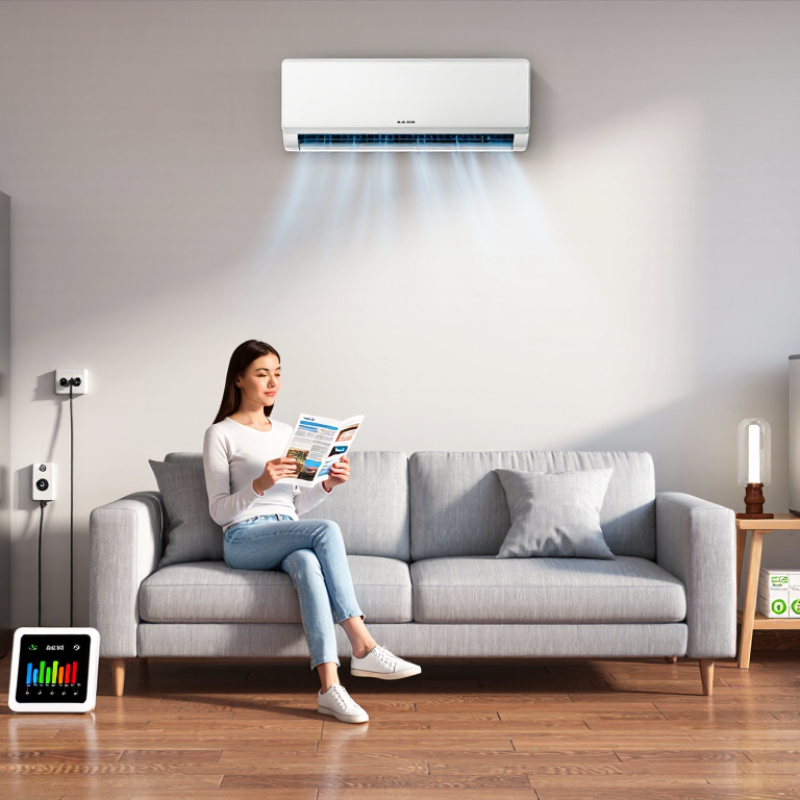
Choosing the right products from China can help households save on energy without sacrificing daily comfort. However, “best” should mean verified performance, not simply a low purchase price. Efficient LED lamps, inverter air conditioners, heat-pump water heaters, smart plugs, and insulated appliances may reduce electricity use when selected carefully.

Look beyond attractive packaging. Check the product’s rated power, annual energy consumption, operating noise, warranty terms, and safety certifications required in your country. A smart plug can reveal how much a refrigerator or heater actually consumes overnight. An efficient lamp may use 9 watts while producing light similar to an older 60-watt bulb. Small changes become visible on a monthly electricity bill.

Real experience also reveals limits. Some low-cost products perform well, while others fail to provide reliable efficiency data. Independent laboratory tests, recognized certification marks, and clear manufacturer documentation deserve more trust than dramatic online claims. Compatibility matters too. A voltage mismatch, weak after-sales support, or unavailable replacement part can erase expected savings.

The goal is simple: save on energy through informed purchasing and sensible use. Compare lifetime costs, not only shelf prices. Track consumption before and after installation. Results will differ by climate, household habits, electricity rates, and product quality. That uncertainty should be acknowledged. Even a well-reviewed device may not reduce consumption if it runs unnecessarily. Careful selection, installation, and regular maintenance create more dependable savings than marketing promises.
How Can China Best Products Help You Save on Energy?

What Makes China’s Energy-Saving Products Effective

China’s energy-saving products are effective because they combine efficient engineering with large-scale manufacturing. High-volume production helps reduce costs and improve component consistency. Efficient motors, LED lighting, heat-pump systems, and smart controls can lower daily electricity demand. The International Energy Agency reported that global energy intensity improved by 2.2% in 2022. However, annual progress must reach about 4% by 2030 to meet climate targets. This gap makes practical efficiency more important.

Performance depends on testing, installation, and user habits. A high-efficiency appliance may waste energy if its settings are poorly managed. China Energy Label data helps buyers compare products through rated consumption and efficiency levels. The IEA also notes that efficient appliances and equipment are essential to reducing demand across homes and businesses. In real use, better insulation, variable-speed motors, and automatic standby control can create visible savings. Still, not every low-cost product performs equally well. Independent testing remains necessary.

Tips:

  • Check annual energy consumption, not only the efficiency grade.
  • Compare measured noise, standby power, and warranty terms.
  • Ask for laboratory test reports based on recognized standards.
  • Match the product with your climate and room size.
  • Record monthly electricity use before and after installation. The result may be smaller than expected, but that comparison reveals what needs improvement.

Which Chinese Products Offer the Greatest Energy Savings

How Can China Best Products Help You Save on Energy?

Chinese-made heat pumps, solar water heaters, and LED lighting can deliver the greatest household energy savings. The International Energy Agency reports that heat pumps can be three to five times more energy-efficient than gas boilers. An air-source model can reduce winter heating demand, especially in moderate climates. However, poor installation can weaken performance. Real savings are less tidy.

LED products also deserve attention. The U.S. Department of Energy states that LEDs use at least 75% less energy than incandescent bulbs and can last up to 25 times longer. Efficient refrigerators, inverter air conditioners, and induction cookers offer smaller savings, but they work every day. IRENA’s renewable-cost reports show that solar power remains among the lowest-cost new electricity sources in many markets. A Chinese rooftop solar system may reduce grid purchases, though roof direction, shading, storage, and local electricity prices matter. Cheap equipment is not automatically efficient.

Tips: Check the energy label, seasonal efficiency rating, warranty, and installer qualifications. Measure your old appliance’s electricity use for one week before replacing it. Choose the right size, not the largest model. Leave ventilation space around refrigerators. Clean heat-pump filters monthly. These details seem minor. They are often missed. A projected saving can also be overstated when household habits change. Get two independent quotations and compare lifetime energy costs, not only the purchase price.

How to Compare Energy Efficiency, Quality, and Cost

Comparing energy-saving products from China requires more than reading a low wattage label. The International Energy Agency reported that buildings consume about 30% of global final energy. Small efficiency gains can therefore matter in homes, offices, and workshops. Check rated power, annual energy use, operating hours, and standby consumption. A 900-watt heater used briefly may cost less than a 500-watt model running continuously.

Quality changes the calculation. Look for verified test results, safety certifications, warranty terms, and replacement-part availability. The U.S. Department of Energy notes that efficient appliances can reduce electricity use without reducing performance, but actual savings depend on usage habits. Compare products under the same test conditions. Do not trust unclear claims.

Cost needs a longer view. Calculate purchase price plus estimated electricity costs over three to five years. The European Commission’s Ecodesign research shows that energy use often represents a significant share of an appliance’s lifetime cost. A cheaper unit may lose its advantage through higher consumption or faster failure. I have seen comparisons overlook maintenance and delivery costs. That is a real weakness. Product data can also be incomplete, especially when sellers provide laboratory figures instead of household results. Ask for test standards, measured consumption, and operating limits. The best choice is rarely the cheapest or the most efficient model alone.

How Can China Best Products Help You Save on Energy? — How to Compare Energy Efficiency, Quality, and Cost
Product Category Typical Rated Power or Efficiency Estimated Annual Energy Use Estimated Annual Energy Cost Quality Indicators to Check Typical Service Life Energy-Saving Potential Best Value Assessment
LED Light Bulb
Equivalent to a 60 W Incandescent Bulb
8–10 W LED input power; approximately 80–100 lumens per watt About 14.6 kWh
Based on 4 hours per day
About US$2.19 per year Accurate lumen output, color rendering index of 80 or higher, low flicker, safety certification, and stable heat dissipation 15,000–25,000 hours Usually uses around 80% less electricity than a 60 W incandescent bulb Very high value because the purchase price is low and the payback period is usually short
Inverter Split Air Conditioner Seasonal energy efficiency ratio commonly around 5.0–6.5 in metric cooling ratings Approximately 400–900 kWh
For moderate household cooling use
About US$60–135 per year Verified seasonal efficiency rating, variable-speed compressor, efficient refrigerant system, low noise, corrosion-resistant outdoor coil, and reliable after-sales service 10–15 years Can reduce cooling electricity use by roughly 20–40% compared with older fixed-speed units High value in warm climates when correctly sized and professionally installed
Heat Pump Water Heater COP commonly around 2.0–4.0, depending on climate and operating conditions Approximately 900–1,800 kWh
For a typical household
About US$135–270 per year Coefficient of performance, standby loss, tank insulation, anti-corrosion protection, noise level, operating temperature range, and safety controls 10–15 years May use 50–70% less electricity than a conventional electric-resistance water heater Strong long-term value where hot-water demand is high and installation conditions are suitable
Top-Freezer Refrigerator Typical annual consumption of 250–450 kWh for a medium-size model Approximately 250–450 kWh About US$38–68 per year Measured annual energy consumption, efficient compressor, door-seal quality, insulation thickness, temperature stability, and internal volume 10–15 years An efficient model can use 15–30% less electricity than an older refrigerator of similar size Good value when the capacity matches household needs; oversized models increase lifetime energy cost
Induction Cooktop Approximately 80–90% heat-transfer efficiency Approximately 150–300 kWh
For regular household cooking
About US$23–45 per year Accurate temperature control, compatible cookware detection, overheating protection, durable glass surface, power-level stability, and electrical safety certification 8–12 years Typically transfers heat more efficiently than gas cooking and conventional electric resistance cooking High value when electricity is reasonably priced and compatible cookware is already available
Front-Load Washing Machine Approximately 0.10–0.20 kWh per kilogram per wash, depending on program and temperature Approximately 90–180 kWh
For about 250 wash cycles per year
About US$14–27 per year Energy use per cycle, water consumption, motor efficiency, spin speed, load-sensing function, vibration control, drum quality, and maintenance access 8–12 years Can use substantially less water and electricity than many older top-load designs Good value when full loads are used and low-temperature programs are selected
Comparison assumptions: Annual electricity costs are calculated at US$0.15 per kWh and are illustrative estimates rather than guaranteed performance figures. Actual consumption depends on climate, household usage, product size, installation quality, maintenance, electricity rates, and local testing standards. Before purchasing, compare verified test results, energy labels, safety certifications, warranty terms, spare-parts availability, and total ownership cost.

How to Use China’s Best Products to Reduce Energy Waste

How Can China Best Products Help You Save on Energy?

Using China’s best energy-saving products effectively requires more than choosing the lowest price. Check the China Energy Label, rated power, standby consumption, and applicable safety standards before buying. High-efficiency LED lamps, inverter appliances, smart plugs, efficient motors, and heat-pump water heaters can reduce daily electricity demand. Match the product to your room size and local climate. An oversized appliance may consume more energy than expected.

The International Energy Agency reports that global energy-efficiency progress must reach about 4% annually by 2030 to support climate goals. Your home can support that target through small, measurable changes. Set air-conditioning temperatures moderately, clean filters monthly, and use smart plugs to cut overnight standby loads. A timer can stop a water heater from running during empty hours. Small actions matter.

Buildings and construction consume about 32% of global energy, according to the 2024 Global Status Report for Buildings and Construction. However, product claims are not always equal to real savings. Measure your electricity use for two weeks before installation, then compare the same period afterward. Weather can distort the result. The estimate may be imperfect. Still, checking kilowatt-hours is more reliable than trusting advertising. Efficient products work best when maintenance, settings, and household habits improve together.

How Can China’s Best Products Help You Save on Energy?

Estimated electricity reduction from selected high-efficiency product categories compared with conventional alternatives.

Typical estimates based on publicly reported energy-efficiency benchmarks. Actual savings depend on usage, climate, installation, and product specifications.

How to Measure Long-Term Energy and Financial Savings

How Can China Best Products Help You Save on Energy?

Long-term savings begin with measurement, not a low purchase price. Record each product’s wattage, daily operating hours, electricity tariff, and expected service life. The basic calculation is simple: annual cost equals watts divided by 1,000, multiplied by operating hours and tariff. Measure twice.

For example, a 10-watt LED lamp replacing a 60-watt incandescent lamp can save about 182.5 kWh yearly, assuming ten hours of daily use. The U.S. Department of Energy reports that LED lighting uses at least 75% less energy and can last up to 25 times longer than incandescent lighting. Multiply annual savings by the product’s expected life, then subtract purchase and maintenance costs. Use actual tariffs. Small losses matter.

For appliances sourced from China, compare verified test data rather than promotional claims. Check standby consumption, annual energy use, repair access, and performance under local voltage conditions. The International Energy Agency reported a 2.2% improvement in global energy intensity during 2022, but progress remains uneven. Your result may differ. A spreadsheet can overestimate savings when usage changes, tariffs rise, or filters become dirty. Recheck meter readings after three months and again after one year. Keep photographs of meter displays and invoices. This evidence makes the financial estimate more reliable and exposes assumptions that looked reasonable but were wrong.

Get in touch

Our mission is to develop cutting-edge clean energy technology and provide next-generation solar inverters.

Phone

(888) 598-9901

E-mail

nep-usa@site_ea168614-f5f4-4298-bd5b-880b4cf8d99d