How to Check Your Electricity Bill View and Save Money?
Understanding your electricity bill view is essential for managing household expenses. Many consumers overlook the details in their bills, leading to unexpected costs. Analyzing your electricity bill can reveal patterns in your usage, helping you identify potential savings.
Regularly reviewing your electricity bill view can empower you to make informed decisions. Check for errors or hidden fees. Compare your usage month over month. This practice can reveal trends, like seasonal spikes in consumption. You may discover inefficient appliances or habits that inflate your bill.
Saving on your electricity bill begins with awareness. Simple changes in your routine can lead to significant savings. You might find that turning off lights or unplugging devices can make a difference. Empower yourself by understanding your electricity consumption. Take control of your finances.
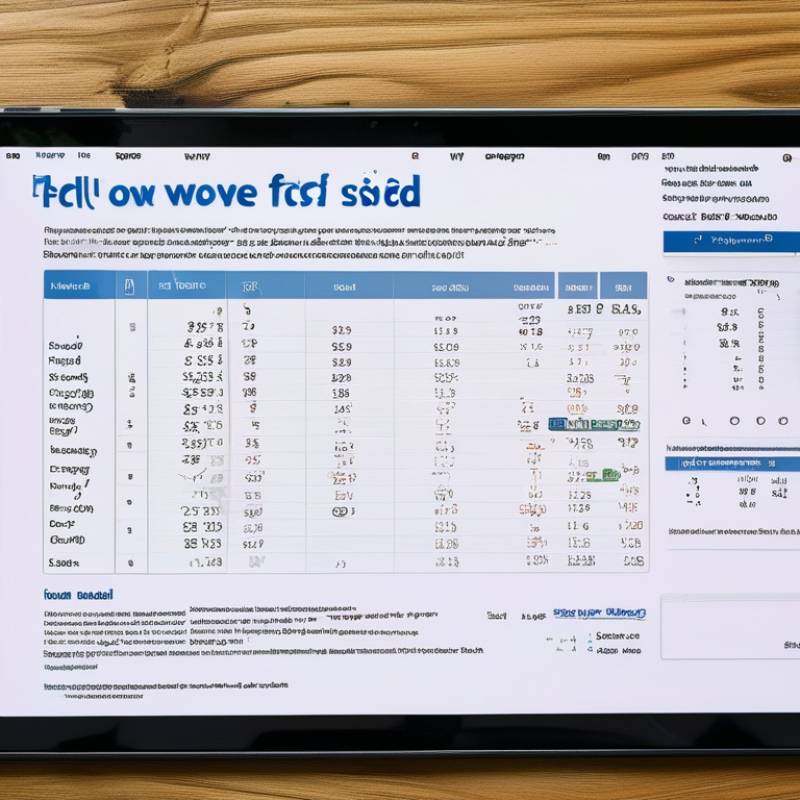
Understanding your electricity bill breakdown is crucial for effective budgeting. Typically, these bills include various components such as usage, taxes, and fees. Awareness of how these elements contribute to your total cost can reveal opportunities for savings. For instance, the energy consumption section will detail how much electricity you use in kilowatt-hours (kWh). Many people overlook this number. By monitoring your usage, you can identify patterns and make changes.
Looking deeper, check for additional charges. Delivery fees and fixed charges can add up. These costs often do not fluctuate with your usage. Small adjustments in your habits, like unplugging devices, can lead to noticeable savings. You might be surprised by how much a few hours less of usage can reduce your bill. Understanding peak hours can also help. Shifting heavy usage to off-peak times can further lower costs.
Reading your bill line by line promotes awareness. Many consumers fail to grasp all charges. This ignorance may lead to overspending. Take the time to analyze your bill monthly. Any discrepancies or unclear charges should be questioned. This proactive approach cultivates better financial habits and encourages informed consumption choices. Making sense of your electricity bill can empower you to take control and save money where it truly matters.
Identifying Common Charges and Fees
Monitoring your electricity bill is crucial for managing household expenses. Many consumers overlook common charges and fees that can inflate their bills. According to the U.S. Energy Information Administration, the average American household spent about $1,380 on electricity in 2020. Understanding your bill can reveal areas for savings.
One significant charge is the supply cost, which is the price you pay for the electricity itself. This cost can vary based on market conditions. Additionally, many bills include utility charges for transmission and distribution. These fees fund the maintenance of infrastructure, which is often a large portion of your bill. Data shows that up to 60% of electricity costs can be associated with these charges.
There are also variable fees such as demand charges and late payment fees. Demand charges can apply to households that exceed a certain level of electricity use in peak hours. It’s essential to monitor usage patterns to avoid unnecessary fees. Not every bill is straightforward, and discrepancies can occur. It’s prudent to review your charges regularly. Analyzing your bill can lead to better budgeting and potentially lower monthly costs.
Tips for Reducing Electricity Consumption
Reducing electricity consumption can lead to significant savings on your bill. The U.S. Energy Information Administration states that the average household spends over $1,400 annually on electricity. Simple changes can make a difference.
Start by replacing traditional incandescent bulbs with LED lighting. LEDs use up to 75% less energy. They last longer too, decreasing replacement costs. According to the Department of Energy, if every American switched to LEDs, the savings could equal the annual energy use of about 24 million homes.
Next, consider your heating and cooling habits. Adjusting your thermostat by just 1°F can reduce your energy costs by about 3%. Using a programmable thermostat allows you to set times for heating and cooling, maximizing efficiency. Be mindful of peak demand times; reducing usage during these periods can also lead to savings.
While many people overlook small appliances, they contribute significantly to energy use. Unplugging devices when not in use can save up to $200 a year. Small changes like these encourage thoughtful energy management and can lead to more substantial savings over time. Reflecting on energy consumption habits can reveal areas for improvement, helping reduce bills and environmental impact.
Electricity Consumption by Appliance
Exploring Time-of-Use Rates and Discounts
Understanding time-of-use (TOU) rates can significantly affect your electricity costs. These rates vary throughout the day, encouraging users to shift their usage. For instance, according to the U.S. Energy Information Administration, TOU rates can reduce electricity bills by up to 30% for savvy consumers. This means running appliances during off-peak hours can lead to substantial savings.
Households can greatly benefit from this knowledge. A typical residential customer might notice higher prices during peak hours, often between 4 PM and 9 PM. To take advantage of lower rates, consider adjusting your routine. For example, washing clothes or running the dishwasher late at night could make a noticeable difference. Furthermore, some utilities offer discounts for enrolling in TOU programs, making participation even more appealing.
It’s important to monitor how much you save. Many individuals underestimate their energy consumption during peak hours. Reviewing your bill shows power usage patterns. Reflecting on this data can be eye-opening. Sometimes, small changes yield significant savings, yet many remain unaware of their impact. Engaging with your electricity usage can lead to both financial benefits and greater environmental consciousness.
Utilizing Energy Efficiency Programs and Rebates
Energy efficiency programs can significantly reduce your electricity bill. Many local utilities offer these initiatives. They provide rebates for energy-saving appliances. These aren't just marketing tactics; they represent real savings. Check your utility company’s website for specifics. The process is often straightforward, yet many overlook it.
Replacing old appliances can make a difference. For example, a new refrigerator can save 30% on energy costs. Also, look for weatherization programs. Insulating your home cuts heating and cooling expenses. It's a small investment with substantial returns. Many homes remain under-insulated. This oversight leads to higher bills without the benefits of comfort or savings.
Take advantage of free energy assessments. Many programs offer these services. Trained professionals will evaluate your home’s efficiency. They identify specific areas for improvement. Sometimes, they even cover costs for necessary upgrades. Ignoring these opportunities may lead to continuous energy waste. Evaluate your options regularly. Small changes today can yield big savings tomorrow.