Managing your power bill can feel overwhelming. Many households face rising energy costs each month. Understanding how to lower your power bill is essential. Not only does it save money, but it helps the environment too.
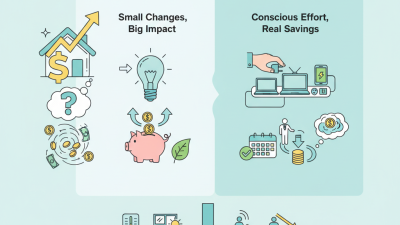
Simple changes in your home can lead to significant savings. For example, switching to energy-efficient bulbs can reduce costs. Unplugging devices when not in use is another effective strategy. These small adjustments can make a big impact on your overall energy consumption.
Reflect on your daily habits. Are you leaving lights on in empty rooms? These patterns may seem minor, but they quickly add up. Everyone can find ways to improve. By being mindful, you can take control of your power bill and enjoy a more sustainable lifestyle.

Understanding Your Power Bill: Key Components Explained
Understanding your power bill is crucial to managing costs. Most power bills have several key components. These include usage charges, fixed fees, and taxes. Knowing how each element contributes to your total can help you identify savings.
Usage charges account for the bulk of your bill. This fee is based on how much electricity you consume, measured in kilowatt-hours. Reducing your usage can lead to significant savings. Simple changes, like turning off lights or unplugging devices, can have a noticeable impact.
Fixed fees are another important aspect. These charges are applied regardless of how much energy you use. They cover the cost of maintaining the grid and infrastructure. While you cannot avoid them, understanding their role can motivate you to be more mindful of your overall consumption. Reflecting on your habits may uncover more areas for improvement.
Top Tips to Lower Your Power Bill Effectively
Component
Explanation
Tips to Reduce Cost
Base Charge
A fixed amount charged regardless of usage.
Check your plan for lower base charges.
Energy Charge
Cost based on the amount of electricity used.
Use energy-efficient appliances.
Transmission Fees
Costs for delivering electricity from power plants.
Be mindful of peak times to reduce fees.
Taxes and Surcharges
Additional charges required by law.
Check for governmental programs to reduce these fees.
Renewable Energy Credit (REC)
Credits you earn for using renewable energy.
Consider switching to a green plan for potential savings.
Energy Efficiency: Simple Changes for Immediate Impact
Making small changes to your home can lead to significant savings on your power bill. Start by sealing gaps around windows and doors. Drafts can make heating and cooling systems work harder. A simple weather strip can reduce your energy consumption.
Consider switching to energy-efficient light bulbs. These use less electricity and last longer than traditional bulbs. It may seem like a minor adjustment, but it adds up over time. Be mindful of your appliance usage. Unplug devices when they're not in use. Even chargers can draw power while idle.
Taking shorter showers can also lower your water heating costs. Try using cold water for laundry. These changes may seem inconvenient at first. However, they contribute to lower bills and a healthier environment. Reflecting on daily habits can help identify more areas for improvement. Every little bit counts.
Adopting Smart Technology: Tools to Monitor and Reduce Usage
In today's energy-conscious world, adopting smart technology can make a significant difference in managing power consumption. Smart meters, for example, allow users to track real-time energy usage. This visibility helps identify patterns and peak usage times. Users often find that simple adjustments can lower their bills substantially.
Smart thermostats are another tool that offers both convenience and savings. By learning your schedule, they optimize heating and cooling. Many users report that they can save up to 30% on their energy bills. However, it’s easy to overlook the need for regular updates and maintenance. Failing to do so can lead to inefficiencies.
Smart plugs and energy monitors bring additional control over devices. These gadgets enable users to turn appliances on or off remotely. It’s great for reducing phantom loads, but be cautious. Not all devices work well with every smart system. Research is necessary to ensure compatibility. Embracing these technologies means committing to a learning process. Adjustments may take time, but the long-term savings can be significant.
Top Tips to Lower Your Power Bill Effectively
Seasonal Tips: Adjusting Habits for Year-Round Savings
Adjusting your habits throughout the seasons can significantly lower your power bill. During the winter months, you might turn up the thermostat. Instead, consider wearing layers or using blankets to keep warm. This simple change can help reduce your heating costs. Remember to block drafts; sealing windows and doors tightly can make a difference.
In the summer, the heat can lead to excessive cooling costs. Limit the use of air conditioning by using fans instead. Keep blinds closed during peak sunlight hours. These actions not only save energy but also create a more comfortable environment. Regulating your energy use with each season requires conscious effort. It may be difficult at times, but the savings on your bill will be worth it.
As the seasons change, take a moment to evaluate your habits. Are you relying too much on electronics? Unplugging devices when not in use can help reduce phantom loads. Small adjustments can lead to more sustainable energy use year-round. Being mindful of your consumption is vital for savings, and it fosters a sense of responsibility.
Exploring Renewable Options: Investing in Sustainable Energy Sources
Exploring renewable energy options can significantly lower your power bill. Solar panels and wind turbines are becoming popular choices. They may require an upfront investment, but over time, the savings are substantial. Transitioning to renewable sources reduces reliance on traditional energy grids. This means potential long-term cost savings.
To begin with, consider investing in solar energy. Assess your roof's suitability for solar panels. A well-oriented roof can capture sunlight effectively. Installation costs vary, but many states offer incentives. Research local tax credits or rebates. This knowledge can help ease financial burdens.
Another option is wind energy. Small wind turbines can be a viable solution, especially in rural areas. They generate electricity at a lower ongoing cost. Evaluate your property’s wind exposure. Not all locations are ideal for wind turbines, so proper assessment is crucial. Don’t rush into decisions without thorough research; the wrong investment can lead to unexpected costs.
Explore community solar programs as a shared resource. They allow you to benefit from solar energy without investing in personal equipment. Local initiatives can often provide a more affordable way to access renewable energy. Engaging with your community can help foster a sense of collective responsibility towards sustainable practices.