We use our own and third-party cookies to improve our services. If you continue browsing, we will consider that you accept this use. Read More

OK

English-US
  • Spanish-Latin America
  • Japanese-JP
  • Chinese
  • Europe
  • Português-BR

Tech Support

(888) 598-9901
Hours: Mon-Fri 8AM-8PM EST

E-mail

nep-usa@site_ea168614-f5f4-4298-bd5b-880b4cf8d99d

2026 Top Energy Saving Solutions for Global Buyers?

In an era marked by climate change and soaring energy costs, energy saving has become a key focus for industries worldwide. Renowned energy consultant Dr. Sarah Mitchell states, "Investing in energy saving solutions today is essential to create a sustainable tomorrow." This sentiment underlines the urgency for global buyers to explore innovative strategies that not only reduce consumption but also foster economic growth.

The upcoming year, 2026, will showcase transformative energy saving solutions tailored for diverse markets. As businesses strive to minimize their carbon footprint, they face the challenge of identifying effective and practical methods. Efficient technologies such as smart grids and energy-efficient appliances present promising options, yet some businesses remain hesitant. These solutions often require upfront investments that can be daunting.

It's crucial for enterprises to critically assess their current practices. Potential limitations in adopting energy saving measures can hinder progress. The goal is to find a balance between cost and environmental responsibility. With expert insights and a commitment to change, the path to energy saving can become clearer and more accessible for all global buyers.

2026 Top Energy Saving Solutions for Global Buyers?

Innovative Energy Efficient Technologies for Global Markets
2026 Top Energy Saving Solutions for Global Buyers?

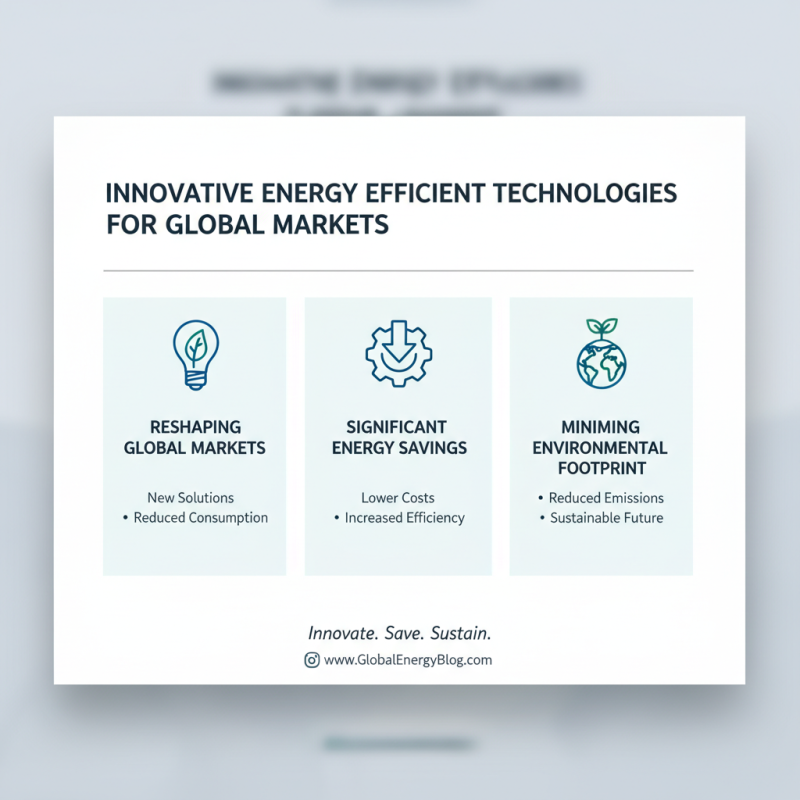
Innovative energy-efficient technologies are reshaping global markets. These solutions promise significant reductions in energy consumption. They help businesses and consumers to lower costs while minimizing their environmental footprint.

One promising area is smart lighting systems. These systems adapt brightness based on natural light levels. They not only reduce electricity use but also extend the lifespan of bulbs. Moreover, advanced heating systems offer on-demand comfort. They learn preferences and optimize energy use, yet require careful calibration for maximum efficiency.

Investing in these technologies is essential, but challenges remain. The initial costs can be high, and long-term benefits may not be immediately visible. Adoption rates vary significantly between regions. Awareness of available solutions is crucial. A lack of understanding can hinder progress in energy savings. Therefore, an informed approach is necessary for successful implementation.
Key Factors Driving Energy Saving Solutions in 2026

The focus on energy saving solutions in 2026 stems from pressing global challenges. According to the International Energy Agency (IEA), energy demand is projected to rise by 30% by 2030. This increase emphasizes the need for innovative solutions to enhance efficiency across industries. Key factors include growing energy costs and stricter regulations from governments worldwide. Organizations are now prioritizing sustainable practices to stay competitive.


A report from the Global Energy Efficiency Accelerator Platform suggests that adopting energy-efficient technologies can reduce energy consumption by up to 30%. This shift is not just about compliance; it's also about cost savings. Many businesses are realizing that investing in energy-efficient solutions can lead to better financial performance. However, transition can be demanding, requiring substantial upfront investment and changes in operational processes.


Tips: Identify areas where energy use is highest. Regular audits help spot inefficiencies. Employee training on energy-saving practices motivates everyone to contribute. As we look to 2026, it is crucial to reflect on our energy strategies. Finding balance between sustainability and profitability will be a recurring challenge for many organizations.

Assessment of Renewable Energy Options for Global Buyers

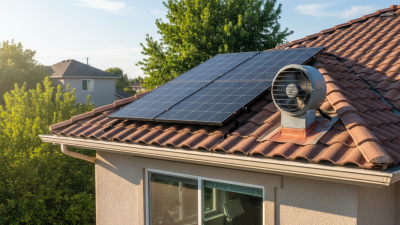
As global buyers seek energy-efficient solutions, renewable energy options become more critical. Countries are investing in solar, wind, and hydro technologies. These resources can significantly reduce greenhouse gas emissions. Solar panels, for instance, are becoming more accessible. They are a practical choice for both residential and commercial applications. However, many buyers face high upfront costs.

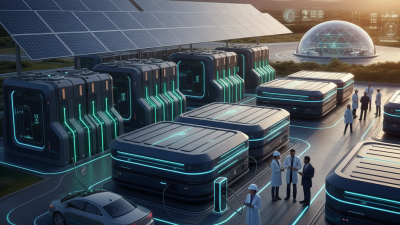
Energy storage is another essential component. Battery systems allow the storage of excess energy generated during peak production hours. Yet, the technology is still evolving. Markets need clearer guidelines on installation and maintenance. Without proper support, potential benefits may not be realized.

Additionally, energy efficiency solutions should align with local climate considerations. Not all regions will benefit equally from the same renewable sources. Adaptability is vital. Buyers must assess their unique circumstances. This reflection can lead to more sustainable choices.

2026 Top Energy Saving Solutions for Global Buyers

Best Practices for Implementing Energy Saving Solutions

2026 Top Energy Saving Solutions for Global Buyers?

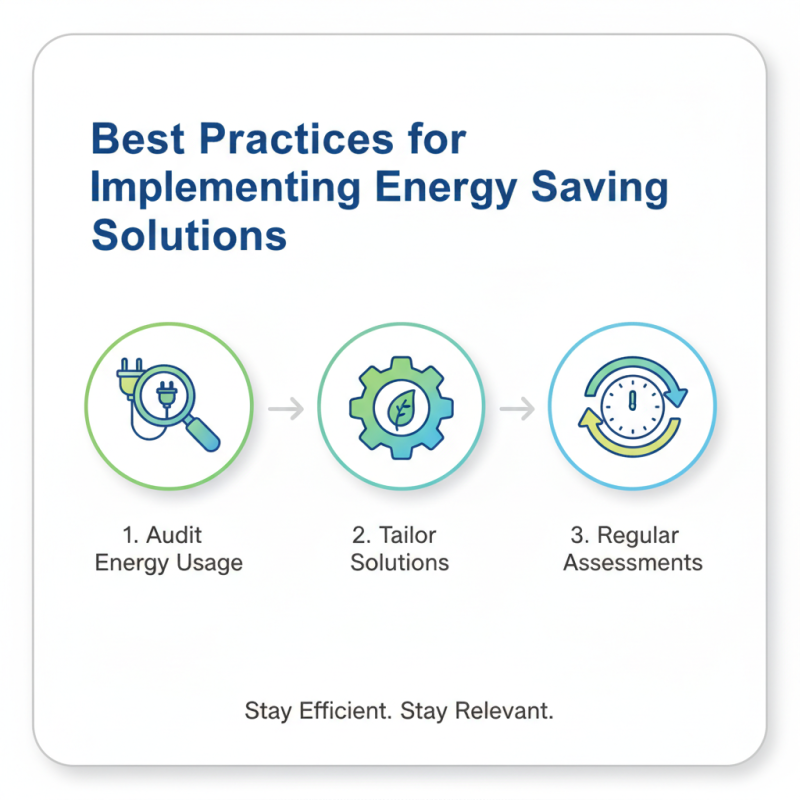
Implementing energy-saving solutions effectively requires a strategic approach. Focus on auditing current energy usage to identify inefficiencies. This helps in tailoring solutions to specific needs. Regular assessments help adapt to changing environments, ensuring that methods remain relevant.

**Tips:** Set clear energy-saving goals. Make them measurable so you can track progress. Small adjustments in daily operations can yield significant savings over time.

Consider utilizing technology to monitor energy consumption. Smart meters and energy management systems provide valuable data. Analyze this data to make informed decisions about energy usage. However, technology can also complicate processes if not integrated thoughtfully.

**Tips:** Ensure your team is trained on new technology. Misunderstanding systems can lead to energy waste, undermining your efforts. Collaboration among team members enhances engagement and accountability.

Case Studies of Successful Energy Efficiency Initiatives Worldwide

Energy efficiency initiatives are transforming how industries operate worldwide. A notable case involves a manufacturing facility that reduced its energy consumption by 30% through simple changes. By implementing smart lighting systems and optimizing machine usage, the company not only cut costs but also improved employee comfort.

Another example highlights a city that invested in public transport upgrades. The introduction of electric buses and improved routes led to a significant drop in greenhouse gas emissions. Residents embraced the changes, showcasing community involvement as a critical factor. However, challenges arose when some routes remained underused, prompting reflection on effective communication around the benefits.

In a more unique approach, a tech firm adopted a zero-waste policy. This process required rigorous assessments of waste and energy use. Initially, staff resistance posed obstacles. Yet, training sessions gradually shifted the culture towards sustainability. These cases serve as reminders that while success is achievable, constant evaluation and adaptation are essential.

2026 Top Energy Saving Solutions for Global Buyers

Initiative Region Energy Savings (%) Investment ($ Million) Payback Period (Years)
LED Street Lighting North America 50% 5 3
High-Efficiency HVAC Systems Europe 30% 8 4
Smart Thermostats Asia 25% 4 2
Building Insulation Retrofits Australia 40% 6 5
Solar Panel Installations South America 35% 20 6

Get in touch

Our mission is to develop cutting-edge clean energy technology and provide next-generation solar inverters.

Phone

(888) 598-9901

E-mail

nep-usa@site_ea168614-f5f4-4298-bd5b-880b4cf8d99d