- Spanish-Latin America
- Japanese-JP
- Chinese
- Europe
- Português-BR

Tech Support
(888) 598-9901
Hours: Mon-Fri 8AM-8PM EST
nep-usa@site_ea168614-f5f4-4298-bd5b-880b4cf8d99d
Top 10 Green Power Suppliers for Global Buyers
Choosing a green power supplier is more than comparing prices. Global buyers must consider where electricity is generated, how its environmental attributes are tracked, and whether supply matches their operating regions. A wind farm may look compelling on a brochure, but delivery options, contract length, and local market access can shape its practical value. Details matter.
This guide introduces ten suppliers for buyers seeking renewable electricity or related procurement options. It compares factors such as geographic reach, available energy sources, purchasing models, and the clarity of public information. These points help frame a shortlist, not guarantee a perfect match. No ranking is universal.
Buyers should check how each provider defines green power and what evidence supports its claims. Certificates, guarantees, and reporting methods vary by market, so confirm what applies to each facility and contract. Ask for current documentation, review pricing and termination terms, and clarify whether supply is physical or represented through contractual instruments. The distinction can be easy to overlook.
There is no shortcut. A supplier with broad coverage may not serve every site or meet every reporting need. Smaller providers may offer useful regional expertise, but buyers should verify capacity and service terms directly. This overview is a starting point for careful evaluation. Some information changes, and even a polished comparison cannot replace due diligence. The right choice depends on a buyer’s locations, energy use, budget, and evidence requirements.
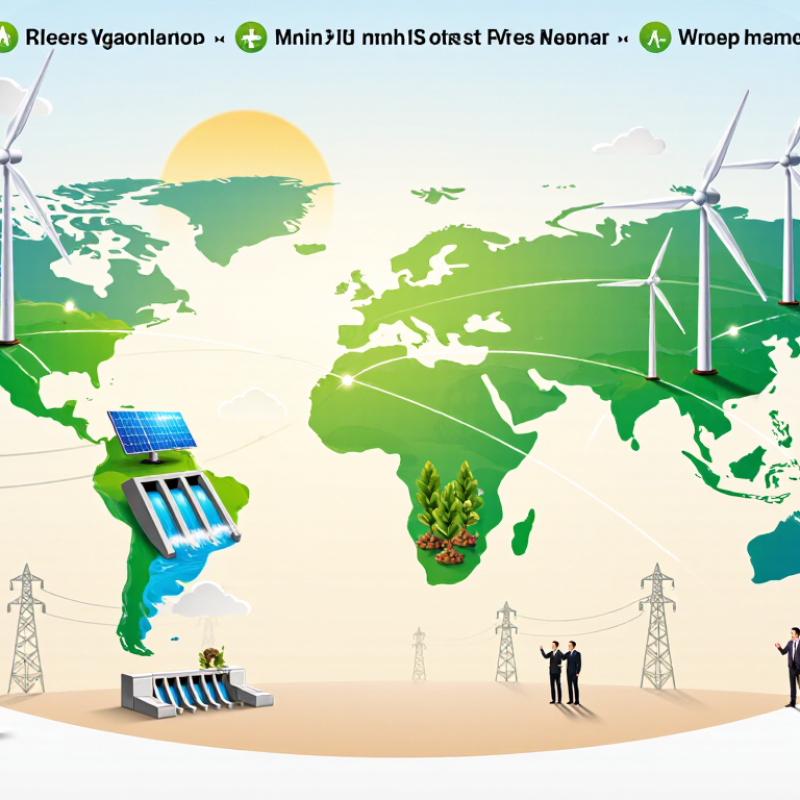
What Green Power Suppliers Provide to Global Buyers
Global buyers now expect green power suppliers to deliver more than renewable electricity. They provide solar, wind, hydropower, battery storage, and tailored power purchase agreements. Many also offer energy attribute certificates, emissions tracking, and monthly usage reports. These services help factories connect electricity consumption with verified renewable generation.
The scale is significant. The International Energy Agency reported almost 510 gigawatts of renewable capacity additions in 2023. IRENA recorded 473 gigawatts added during the same year, representing about 86% of new global power capacity. Suppliers translate this expansion into practical procurement options, including fixed-price contracts, indexed pricing, and renewable energy matching by location or hour.
Data quality matters. Buyers should examine project ownership, certificate retirement, grid boundaries, contract duration, and delivery risks. The Ember Global Electricity Review 2024 found that renewables supplied 30% of global electricity in 2023. However, annual matching can hide periods when a facility still uses fossil-based power. Hourly tracking is more informative, but it remains costly and uneven across markets. The model is not perfect. Suppliers also support demand forecasting, battery dispatch, regulatory reporting, and carbon accounting. Buyers should request third-party verification and clear assumptions before signing. A low-cost contract may look attractive, yet weak evidence can damage future sustainability claims.
Top 10 Green Power Suppliers for Global Buyers - What Green Power Suppliers Provide to Global Buyers
| Supplier type | What it provides | Typical procurement route | Relevant buyer needs | Key checks for buyers |
|---|---|---|---|---|
| Renewable electricity retailers | Retail electricity plans backed by renewable generation or energy attribute certificates, subject to local market rules. | Retail supply contract for a grid-connected site. | Businesses seeking a straightforward electricity contract with renewable attributes. | Certificate type, geographic and reporting boundaries, contract term, and treatment of residual electricity. |
| Renewable project developers | Electricity and, where agreed, associated environmental attributes from wind, solar, hydro, or other eligible projects. | Long-term power purchase agreement (PPA), either physical or financial, depending on the market. | Large buyers seeking to contract with a specific project or support new generation. | Project status, expected commercial operation date, price structure, volume risk, and attribute ownership. |
| Independent power producers | Generation from owned or operated renewable assets, sometimes sold with certificates or other contractual attributes. | Bilateral supply agreement, PPA, or sale through a wholesale market. | Utilities, commercial buyers, and other counterparties purchasing renewable output. | Generation profile, credit support, delivery arrangements, and allocation of imbalance risk. |
| Utility companies with renewable portfolios | Grid electricity supply, which may include renewable generation, portfolio products, or separately tracked attributes. | Standard utility tariff, negotiated supply contract, or market-specific renewable option. | Buyers operating where utilities are the primary or regulated electricity suppliers. | Whether renewable claims are supported by retired attributes and what share of consumption is covered. |
| Energy attribute certificate providers | Tradable records representing attributes of renewable electricity generation, such as certificates recognized in specific markets. | Certificate purchase and retirement, usually separate from the physical electricity contract. | Organizations that procure electricity separately and need market-recognized renewable attributes. | Eligibility rules, generation vintage, market boundary, registry records, and proof of retirement. |
| Community energy organizations | Locally organized renewable generation or shared-energy arrangements where supported by local regulation and grid programs. | Community subscription, shared-generation program, or local power purchase arrangement. | Buyers interested in local generation and participation in community-scale projects. | Subscriber eligibility, allocation method, bill credits, project governance, and applicable local rules. |
| On-site renewable energy providers | Design, installation, financing, or operation of on-site systems such as rooftop solar and associated storage. | Equipment purchase, lease, energy service agreement, or on-site PPA. | Facilities with suitable space, load patterns, and permission to install generation equipment. | Site suitability, interconnection approval, maintenance responsibilities, output estimates, and end-of-term terms. |
| Renewable energy aggregators | Aggregation of buyer demand, procurement support, and coordination of contracts with generators or energy markets. | Group procurement, portfolio PPA, or managed procurement service. | Smaller or multi-site buyers seeking access to procurement processes that may otherwise be complex. | Fees, authority to negotiate, allocation of volumes, participant obligations, and contract exit provisions. |
| Renewable energy cooperatives | Member-based participation in renewable generation or electricity purchasing, with structure and benefits defined by the cooperative. | Membership, cooperative supply arrangement, or participation in a shared project. | Buyers looking for collective procurement or a member-governed energy arrangement. | Membership terms, voting rights, pricing methodology, supply coverage, and applicable consumer protections. |
| Energy procurement and advisory providers | Market analysis, request-for-proposal support, contract review, portfolio tracking, and renewable procurement strategy. | Consulting or managed-service engagement; the advisor typically supports procurement rather than generating electricity. | Global organizations coordinating electricity procurement across multiple regions or regulatory markets. | Independence, fee model, regional expertise, data quality, and separation of advisory work from product sales. |
Note: These are supplier categories, not a company ranking. Product availability, certificate systems, and procurement rules vary by country and electricity market.
Related Posts
-

How to Source Green Power for Your Business Needs?
-
Why Are Fixed Energy Deals a Smart Choice for Consumers?
-
What is Solar Power for Home and How Does It Work?
-

Top 10 Power Distribution Methods for Efficient Energy Management?
-
7 Best Solar Power for Home Cost Options?
-

10 Essential Tips for Using an Electricity Saving Box Effectively?
Get in touch
Our mission is to develop cutting-edge clean energy technology and provide next-generation solar inverters.
Phone
(888) 598-9901
nep-usa@site_ea168614-f5f4-4298-bd5b-880b4cf8d99d
