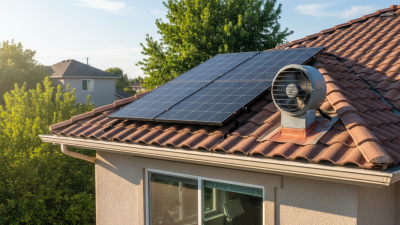
Why Are Solar Electric Systems a Smart Investment?
A solar electric system turns sunlight on a rooftop into power for everyday needs: lights, appliances, and, with compatible equipment, an electric vehicle. Its appeal is practical. Homeowners may reduce purchases from the grid, gain some protection from changing electricity prices, and produce energy where they use it. But savings are not automatic. Roof shade, system size, local utility rates, and installation costs all matter.
Industry data helps explain the investment case. The International Renewable Energy Agency’s Renewable Power Generation Costs in 2023 reported that the global weighted-average cost of electricity from utility-scale solar photovoltaics fell 12% that year, to $0.044 per kilowatt-hour. IRENA also found this figure was 56% below the weighted average cost of fossil-fuel alternatives. The International Energy Agency’s Renewables 2024 report projects that solar photovoltaics will account for about 80% of global renewable capacity growth through 2030. These figures show a rapidly expanding market, not a guaranteed household return.
The details at home are less tidy. A south-facing roof with little afternoon shade may perform very differently from a tree-covered roof, even on the same street. Inverter replacement, battery storage, financing, and utility compensation rules can shift payback estimates. A battery can add resilience, but it also raises the upfront price. That matters. A careful evaluation should compare quoted system costs with actual electricity bills and expected production. Even then, projections can miss. Solar can be a smart long-term investment, but only when the numbers fit the property and the household’s energy use.
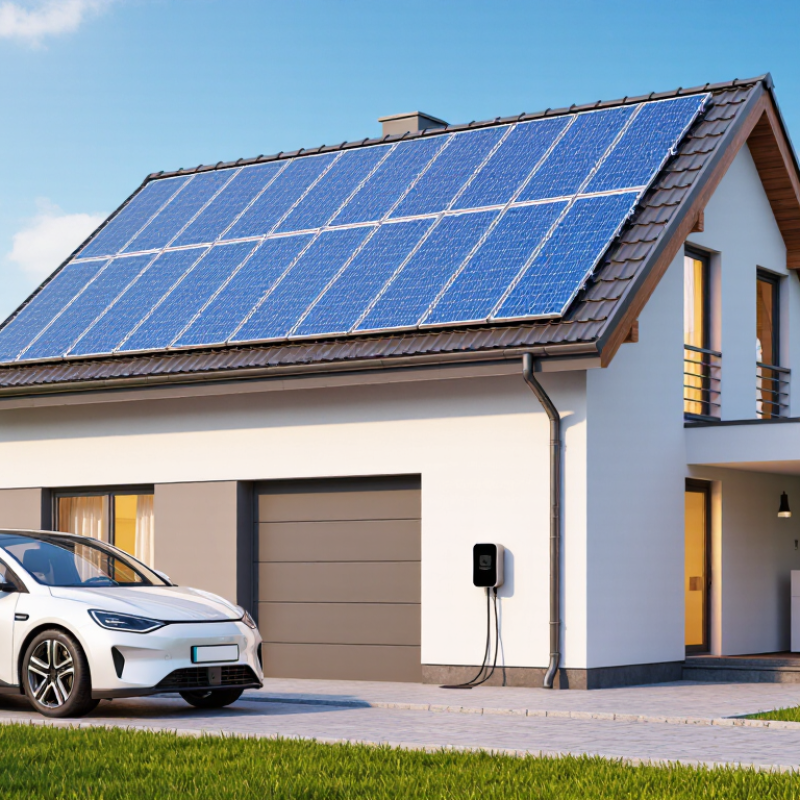
How Solar Electric Systems Generate and Supply Power
Solar electric systems turn sunlight into usable electricity. Photovoltaic cells inside the panels release electrons when light reaches them. This produces direct current, often called DC. It is a quiet process. The panels have no moving parts.
An inverter converts DC electricity into alternating current, or AC, for ordinary household circuits. A monitoring display may show real-time output and daily energy production. On a sunny afternoon, the system can power lights, a refrigerator, and a laptop. Any extra electricity may flow to the grid, depending on the system and utility arrangements. The grid still matters. At night or during cloudy weather, a home typically draws electricity from the grid unless it has batteries. Batteries store some daytime surplus for later use, but energy is lost during storage and conversion.
Solar output varies with weather, season, roof direction, and shade. A narrow tree shadow can affect production more than a quick roof inspection suggests. Estimates can miss details. System size should reflect real household use, not a promise of a bill-free home. A qualified installer can check the roof, wiring, inverter capacity, and grid connection. Forecasts remain estimates, so actual production may differ.
The Upfront Costs and Ongoing Expenses of Solar Systems
A solar electric system’s upfront price includes panels, an inverter, mounting hardware, wiring, permits, and installation labor. Roof condition can change the bill: old shingles or structural repairs may need attention before crews install equipment. A battery adds another major cost, while a system without storage may rely on the grid after sunset. Quotes are easier to compare when they separate equipment, labor, electrical upgrades, and projected incentives. Incentives vary by location and eligibility, so treat them as estimates until verified with current official guidance. That matters.
Ongoing expenses are usually less visible, but they still belong in the budget. Panels have no moving parts, yet dust, leaves, snow, or nearby tree growth can reduce output. Rain may clean some surfaces, but not every roof or climate. Occasional inspection, safe cleaning, monitoring, and inverter or battery replacement can add costs over the system’s life. Warranty coverage may help, but it does not necessarily cover labor, roof work, or every failure. Check what is excluded. Electricity bills may not disappear; fixed utility charges and seasonal changes can remain. A cautious budget leaves room for imperfect production estimates, since weather and household use rarely follow a neat forecast.
How Energy Savings Shape Solar Payback Periods
Solar electric systems can be a smart investment when lower power bills gradually repay the installation cost.
The payback period estimates how long that takes. It depends on system price, household electricity use, sunlight, and local utility rates. Small details matter. A south-facing roof may produce more electricity than a shaded one, but actual output changes with weather and seasons.
Savings are strongest when a home uses solar power as it is generated. For example, running a dishwasher during sunny hours can reduce the amount of electricity bought from the grid.
If a system costs $18,000 and cuts annual bills by about $1,800, its simple payback is roughly ten years. That estimate excludes financing costs, maintenance, and possible incentives. Credits for extra electricity sent to the grid also vary, so they should not be assumed to match the retail electricity price.
A careful estimate uses past utility bills and realistic production figures, not just a sunny-day forecast. Panel output can decline slowly over time, while electricity rates may rise or remain stable. Both affect the eventual savings. The estimate is useful, but it is not a promise. I would also compare the payback period with the system’s expected service life and review loan terms closely. Real household use is messy; the dishwasher does not always run at noon.
The Role of Incentives, Financing, and Property Value
Solar electric systems can become a stronger investment when incentives reduce the upfront cost. Depending on your location, support may include tax credits, rebates, or utility programs. Rules and deadlines change, so check current government and utility guidance before budgeting. A qualified tax professional can clarify whether a particular incentive applies to your situation. Do not count on an advertised benefit until eligibility is confirmed. Details matter.
Financing can make installation possible without paying the full cost at once, but compare the total repayment amount, fees, and loan term with expected energy savings. Ask whether payments could remain after a home sale, and read the agreement carefully. Savings depend on system size, household use, electricity rates, and sunlight. They are not guaranteed. That part is less exciting, but it matters.
A solar system may appeal to future buyers by lowering some expected electricity costs, especially when bills and system records are available. Still, added property value varies by local market, system ownership, and buyer preferences. Leased equipment or unclear transfer terms may complicate a sale. Keep permits, warranties, energy bills, and maintenance records together. A tidy folder can help more than a confident claim. A local real estate professional can offer a grounded view of buyer interest in your area.
Environmental Benefits and Greater Energy Independence
Solar electric systems can reduce a household’s reliance on electricity generated from fossil fuels. The environmental benefit depends on local power sources, system design, and how much electricity the panels produce. On a clear afternoon, rooftop panels may supply appliances directly, while a meter records energy sent back to the grid. Manufacturing panels also uses materials and energy, so solar is not impact-free. That trade-off deserves attention.
Energy independence is practical, not absolute. A home with solar and battery storage may keep selected lights, a refrigerator, or a medical device running during some outages. The battery’s capacity matters. So does the weather. Several cloudy days can limit stored power, and many systems shut down during grid outages unless they have suitable backup equipment. Check those details before assuming the panels will power the whole house.
Bills can become more predictable when a system offsets part of a home’s use. But results vary with roof orientation, shade, local rates, and seasonal demand. A tree that shades panels after noon can change production more than expected. I would compare estimated output with past utility bills, then ask how estimates account for winter and maintenance. It is easy to focus on sunny-day numbers. Less exciting, but useful.