- Spanish-Latin America
- Japanese-JP
- Chinese
- Europe
- Português-BR

Tech Support
(888) 598-9901
Hours: Mon-Fri 8AM-8PM EST
nep-usa@site_ea168614-f5f4-4298-bd5b-880b4cf8d99d
How to Choose the Best Solar Powered Generators?
Choosing the right solar powered generators starts with understanding your actual energy needs, not chasing the largest battery. A refrigerator may require a modest running load but draw much more power during startup. A phone charger is simple. A medical device or sump pump demands closer planning. The U.S. Energy Information Administration reports that the average American home used about 886 kilowatt-hours monthly in 2022, but emergency equipment needs only a small, carefully selected portion of that demand.
The market is expanding alongside solar deployment. The International Energy Agency reported that global solar photovoltaic capacity additions reached nearly 420 gigawatts in 2023. IRENA also recorded renewable capacity growth of 473 gigawatts that year, with solar providing the largest share. These figures show stronger consumer interest, but they do not make every portable power station suitable for every situation. Battery chemistry, usable watt-hours, continuous output, surge capacity, charging speed, panel compatibility, and inverter quality still matter.
Small details reveal practical differences. A 1,000-watt unit may run a laptop and LED lamps, yet struggle with a refrigerator’s compressor surge. A shaded balcony can also reduce solar input sharply. Check independent test evidence, safety certifications, warranty terms, and manufacturer support before buying. Standards such as UL 2743 and relevant IEC battery requirements can provide useful reference points, although certification coverage varies by product and market. This guide compares the specifications that matter in real use. It also recognizes an uncomfortable truth: published capacity rarely equals usable household runtime. Careful estimates are imperfect, but they are safer than optimistic assumptions.
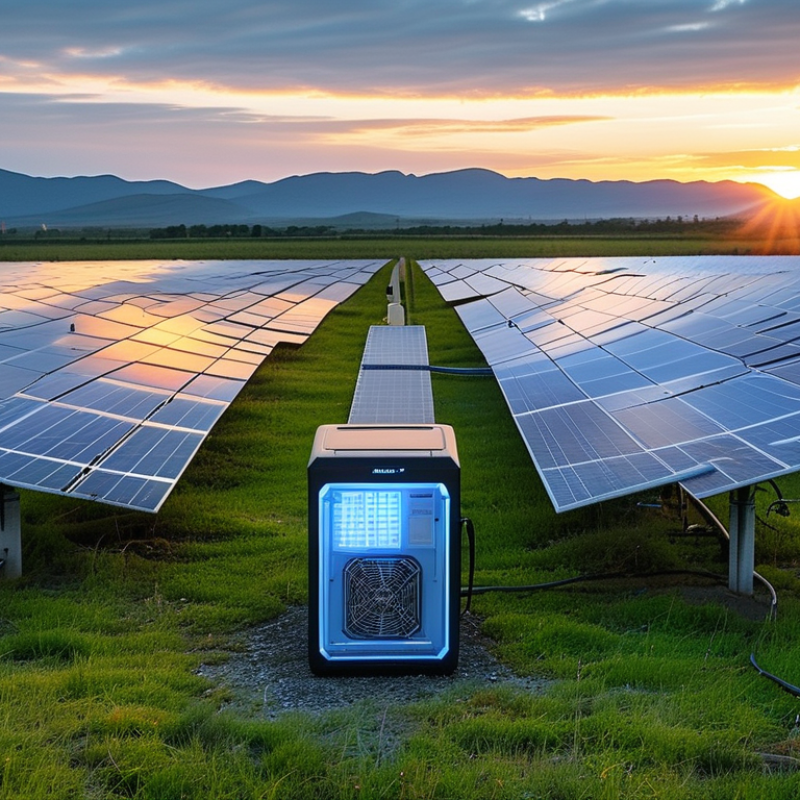
Define Power Needs in Watts and Watt-Hours Before Comparing Generators
Choosing a solar powered generator starts with measuring your real power needs. List each appliance, then check its running watts on the label. A small refrigerator may use 100 watts while running, but its compressor can briefly demand 600 watts. That starting surge matters.
I once estimated a weekend setup by adding appliance wattages only. The generator stopped when the refrigerator and kettle started together. My calculation missed surge power. Add the running watts for devices used at the same time, then choose an inverter with extra capacity. A 1,000-watt load may need a 1,500-watt inverter for reliable startup.
Watt-hours describe energy over time. Multiply each device’s watts by its daily operating hours. A 60-watt fan running for five hours needs 300 watt-hours. A 100-watt refrigerator cycling for ten equivalent hours needs 1,000 watt-hours. Add your daily figures, then allow roughly 20% extra for conversion losses and changing conditions. Solar input also varies with clouds, shade, season, and panel angle. On one cloudy afternoon, my panels produced far less than expected. That result changed my planning habits. Check measurements with a plug-in power meter when possible, and record actual use for several days. A paper estimate is useful, but it can be wrong.
Related Posts
-

2026 Top Solar Powered Generators for Eco Friendly Energy Solutions?
-
China Best Underground Electrical Wire Options for Your Projects?
-

Why Choose Solar Electric Energy for Your Home?
-
What is Solar Power for Home and How Does It Work?
-

Top Power Electric Solutions for Global Buyers Looking to Source?
-

How to Reduce Your Power Bill in China?
Get in touch
Our mission is to develop cutting-edge clean energy technology and provide next-generation solar inverters.
Phone
(888) 598-9901
nep-usa@site_ea168614-f5f4-4298-bd5b-880b4cf8d99d
