We use our own and third-party cookies to improve our services. If you continue browsing, we will consider that you accept this use. Read More

OK

English-US
  • Spanish-Latin America
  • Japanese-JP
  • Chinese
  • Europe
  • Português-BR

Tech Support

(888) 598-9901
Hours: Mon-Fri 8AM-8PM EST

E-mail

nep-usa@site_ea168614-f5f4-4298-bd5b-880b4cf8d99d

2026 Top Ways to Save Energy at Home

In 2026, save energy at home means more than switching off unused lights. It means understanding where energy disappears and correcting those losses carefully. A cold room may point to weak insulation, not a faulty heater. A high electricity bill may reveal old appliances, poor thermostat settings, or hidden standby power.

Energy-efficiency expert Amory Lovins has often emphasized, “The cheapest energy is the energy you don’t use.” This principle still matters in ordinary homes. Sealing a drafty window, washing clothes in cold water, and setting a smart thermostat can reduce waste without sacrificing comfort. Small actions become more powerful when measured over several months.

This guide explores practical ways to save energy at home in 2026. It covers heating, cooling, lighting, kitchen appliances, water use, insulation, and renewable energy choices. Each recommendation should be checked against local prices, climate conditions, and household needs. A heat pump may perform well in one region, yet seem unsuitable in another without proper installation.

Perfection is unrealistic.

Even efficient homes waste some energy. I have noticed that people often buy advanced devices before fixing simple drafts and habits. That approach can increase costs and disappointment. Reliable savings usually begin with an energy audit, accurate meter readings, and changes that fit daily routines. The goal is not merely a smaller bill. It is a safer, more comfortable, and more responsible home.
2026 Top Ways to Save Energy at Home

Understanding Household Energy Use and Identifying Major Sources of Waste

2026 Top Ways to Save Energy at Home

Understanding household energy use starts with measurement, not guesses. Review twelve months of utility bills and note seasonal changes. A sudden winter increase may reflect heating, drafts, or longer indoor hours. A plug-in meter can reveal how much an old appliance consumes while operating. Smart meters also show unusual spikes during early morning or evening periods. Keep a simple energy diary for one week. Record heating settings, laundry times, cooking habits, and shower length.

Heating and cooling usually create the largest household demand. Check rooms near windows for cold air using your hand on windy days. Inspect door seals, attic insulation, and blocked air vents before replacing equipment. Lowering the thermostat slightly can help, but comfort still matters. Setback temperatures should suit your household, pets, and local weather. I once blamed an inefficient heater, but a loose window seal caused much of the waste. My first assumption was wrong.

Water heating deserves close attention. A long shower can use more energy than expected, especially with an electric tank. Wash clothes with full loads and cooler water when suitable. Drying remains wasteful when clothes are partly damp and cycles run repeatedly. Clean filters, defrost freezers, and avoid placing refrigerators beside hot cooking equipment. These actions are small, yet repeated daily. For unsafe wiring, gas equipment, or insulation concerns, ask a qualified professional to inspect the home. Local energy guidance can confirm safe temperature settings and improvement priorities.

2026 Top Ways to Save Energy at Home: Understanding Household Energy Use and Major Sources of Waste

Space heating and water heating are typically the largest household energy uses, making insulation, air sealing, efficient thermostats, and lower hot-water demand high-impact ways to reduce consumption. Cooling, lighting, appliances, and electronics also offer savings when efficient equipment and smart usage habits are combined. The approximate end-use shares are based on patterns reported by the U.S. Energy Information Administration’s Residential Energy Consumption Survey.

Improving Insulation, Windows, and Air Sealing for Better Efficiency

2026 Top Ways to Save Energy at Home

Improving Insulation, Windows, and Air Sealing for Better Efficiency

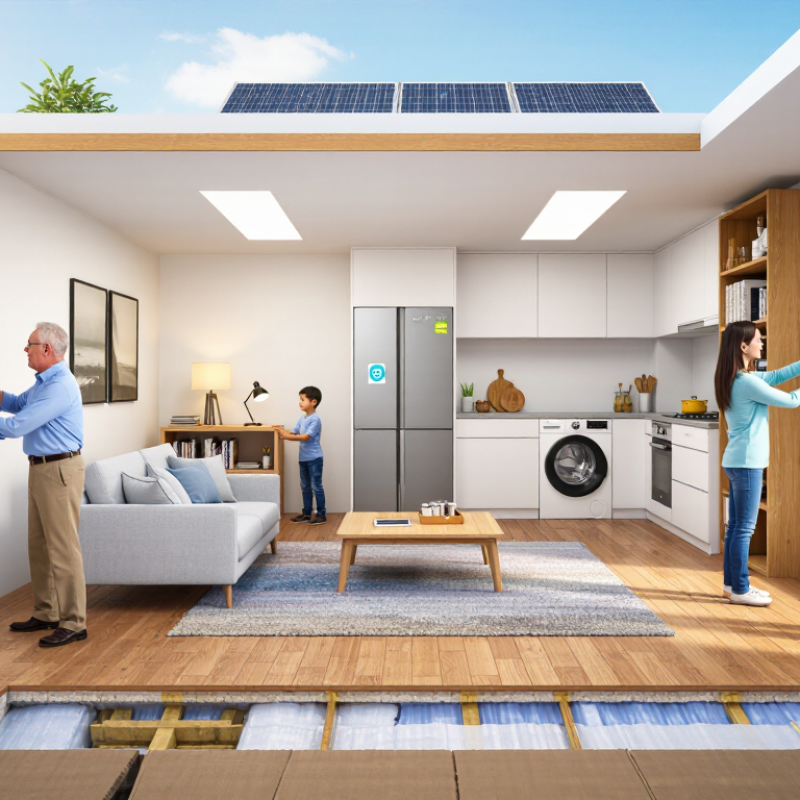
A comfortable home does not always need a larger heating or cooling system. In my experience, the biggest gains often begin with the building envelope.

Start with the attic. Add insulation to the recommended depth, but do not cover recessed lights or block roof ventilation. A professional energy assessment can identify thin areas with an infrared camera. I have seen homeowners add material over damp insulation, which only hides a moisture problem. Fix leaks first.

Windows deserve a careful inspection, not an automatic replacement.

Check for cracked caulk, loose weatherstripping, and cold air around the frames. On a windy day, a thin tissue can reveal movement, although it is not a calibrated test. Durable improvements may include interior storm panels, repaired glazing, or high-performance replacements.

Choose based on climate, orientation, and frame condition. More glass is not always better. South-facing windows may need shading to limit summer heat.

Air sealing connects the whole plan.

Seal gaps around plumbing, wiring, attic hatches, duct penetrations, and basement rim joists with suitable materials. Never seal active combustion vents without qualified guidance. After sealing, verify ventilation and carbon monoxide detector coverage. A blower-door test can measure leakage before and after the work.

My own weak spot is prioritization: sealing every visible crack feels productive, but hidden attic bypasses often matter more. Track utility use across similar weather periods, then adjust the plan.

Choosing Energy-Saving Appliances, Lighting, and Smart Home Controls

2026 Top Ways to Save Energy at Home

Choosing Energy-Saving Appliances, Lighting, and Smart Home Controls

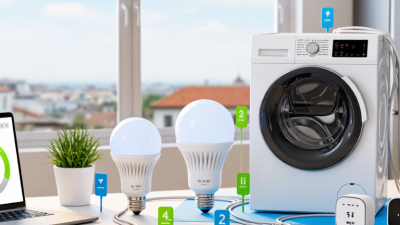
In 2026, home energy savings begin with choices made before an appliance reaches your kitchen. Look for efficient refrigerators, heat-pump water heaters, and washing machines with adjustable cycles. Check the energy label, annual consumption estimate, and repair information. A lower purchase price can hide higher electricity costs. I once focused too much on the sticker price. That was a costly lesson. Measure your available space first. Efficient equipment still wastes money if it runs poorly or needs early replacement.

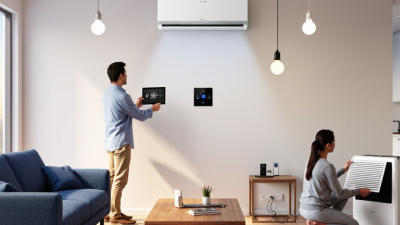
Choose LED lighting with suitable brightness and warm color temperatures for living areas. Use task lighting instead of brightening an entire room. Motion sensors work well in hallways, but they may annoy people in bedrooms. Smart thermostats, plugs, and blinds can reduce waste when schedules match real routines. Set them conservatively. A vacant-home setting should not overheat or overcool the building. Review monthly energy data, because automation can fail quietly.

Tips: Compare lifetime operating costs, not just purchase prices. Seal drafts around doors and windows before upgrading controls. Place lamps near work surfaces. Keep appliance filters clean. Test one automation at a time. If a smart schedule feels inconvenient, adjust it instead of abandoning it. Small friction matters. Not every connected device saves energy; standby power can add up. Local climate, household habits, and electricity rates can change the best decision, so verify figures with official energy guidance.

Reducing Heating, Cooling, Water Heating, and Laundry Energy Demand

2026 Top Ways to Save Energy at Home

Reducing Heating, Cooling, Water Heating, and Laundry Energy Demand

Heating and cooling often dominate household energy use. Set the thermostat a little lower in winter and higher in summer. A programmable schedule can prevent empty rooms from being heated or cooled. Seal drafts around doors, windows, and attic openings. During a home energy check, a cold hand near a window often reveals a surprising leak. Clean or replace heating and cooling filters as recommended. Blocked airflow makes equipment work harder.

Water heating deserves close attention. Lowering the water heater setting slightly can reduce energy demand, but household safety still matters. Insulate accessible hot-water pipes, especially near the heater. Repair dripping taps quickly. A small leak can waste heated water every day. Shorter showers help, though I still find this habit difficult during cold mornings. That limitation is worth admitting.

Laundry habits also influence energy use. Wash full loads instead of several small ones. Use cold or warm water when fabric care allows it. Most washing energy heats the water, not the drum. Air-drying clothes can remove nearly all dryer energy from that load. When machine drying is necessary, clean the lint filter before every cycle and avoid overdrying. Clothes may feel slightly damp at the end. A few extra minutes can cost more energy than expected. Check appliance instructions, because efficient settings vary by fabric and machine design.

Adopting Renewable Power, Efficient Habits, and Ongoing Energy Monitoring

In 2026, saving energy at home is less about one dramatic upgrade and more about disciplined choices. In my own household, a simple energy audit revealed that evening heating used more electricity than expected. That finding changed our routine. Rooftop solar, community renewable electricity, or a small home battery can reduce reliance on fossil-fuel power. However, suitability depends on roof direction, local rules, storage costs, and seasonal sunlight. Ask a qualified installer for production estimates, not optimistic promises.

Efficient habits work best when they are visible and measurable. Set heating and cooling schedules around occupancy, then adjust them by one degree before making larger changes. Wash full loads with cooler water, dry clothes on a line when practical, and unplug rarely used equipment. I still leave lights on sometimes. That small failure matters. Honest tracking prevents exaggerated claims. Use a smart meter or plug-level monitor to compare daily patterns. Record your baseline for two weeks, then test one change at a time. Check unusual spikes after installing equipment or changing routines.

Tips: Inspect window seals with your hand on a windy day. Clean filters regularly. Review monthly energy data instead of guessing. Have electrical work checked by a qualified professional. Renewable power helps, but poor insulation can quietly waste its benefits.

Get in touch

Our mission is to develop cutting-edge clean energy technology and provide next-generation solar inverters.

Phone

(888) 598-9901

E-mail

nep-usa@site_ea168614-f5f4-4298-bd5b-880b4cf8d99d