- Spanish-Latin America
- Japanese-JP
- Chinese
- Europe
- Português-BR

Tech Support
(888) 598-9901
Hours: Mon-Fri 8AM-8PM EST
nep-usa@site_ea168614-f5f4-4298-bd5b-880b4cf8d99d
2026 Top Electricity Saving Box Types for Global Buyers
Global buyers are reexamining the electricity saving box as energy prices, carbon targets, and grid pressures continue to change. The International Energy Agency’s Electricity 2024 report expects global electricity demand to grow by an average of 3.4% annually through 2026. That growth makes practical energy management more important for homes, offices, factories, and retail facilities.
Not every device deserves the same confidence. Smart plugs, circuit-level energy monitors, programmable timers, and load-control systems can show where electricity is being consumed. Some products also claim to reduce voltage fluctuations or improve power factor. However, their benefits depend on the connected equipment, installation method, and local tariff structure. A box cannot automatically reduce every appliance’s real energy consumption. That point is often missed.
Evidence matters.
The U.S. Department of Energy identifies standby consumption as a continuing efficiency concern for connected electronics. The IEA Energy Efficiency 2024 report also emphasizes measurement, efficient equipment, and better control systems. These findings support a careful comparison rather than a simple “plug in and save” promise. Buyers should request tested performance data, rated voltage, maximum load, warranty terms, and recognized safety certification. Independent testing is valuable, especially for products connected to fixed wiring.
This 2026 guide examines the leading electricity saving box types for global buyers. It compares monitoring accuracy, control functions, installation needs, compatibility, and realistic payback potential. Results can vary. A device that helps a small office may add little value in an apartment with low consumption. That uncertainty deserves attention, not marketing language.
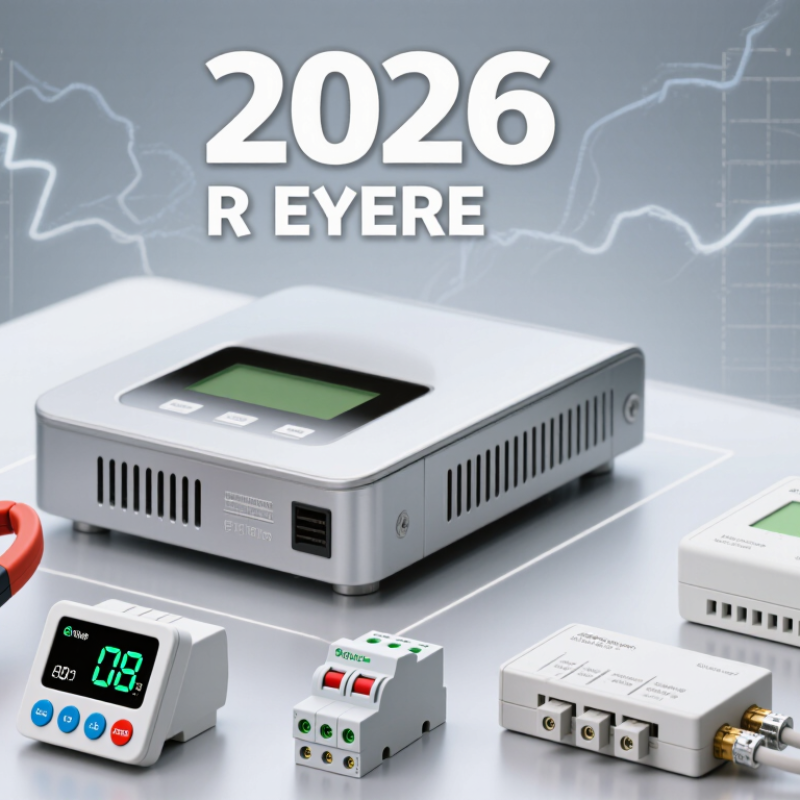
What Electricity Saving Boxes Are and How They Claim to Work
What Electricity Saving Boxes Are and How They Claim to Work
Electricity saving boxes are small devices connected near a wall outlet or distribution panel. Sellers often claim they reduce household energy costs by stabilizing voltage, correcting power factor, or filtering electrical noise. Some devices contain capacitors, surge protection parts, or simple monitoring circuits. Others reveal very little about their internal design.
The most important detail is the electricity meter. It measures energy used over time, usually in kilowatt-hours. Power factor correction can improve efficiency in certain commercial systems with motors, transformers, or other inductive equipment. However, many homes are billed mainly for real energy consumption. A correction device may not noticeably reduce that bill. It may also produce no measurable benefit when the home has mostly resistive loads, such as heaters or kettles.
Claims should be tested carefully. Record the meter reading for several days before installation, then compare similar usage afterward. Keep weather, occupancy, and appliance schedules as consistent as possible. A plug-in energy meter can show whether a refrigerator or computer actually changes its consumption. Be cautious with dramatic savings promises. They are easy to advertise but difficult to reproduce. The box might feel substantial, yet size is not evidence of performance. Independent testing data, clear electrical ratings, and realistic calculations matter more. Even careful analysis can miss seasonal changes. That is the part worth questioning.
2026 Top Electricity Saving Box Types for Global Buyers - What Electricity Saving Boxes Are and How They Claim to Work
| Type | How It Claims to Work | What It Can Actually Affect | Residential Bill-Saving Potential | Most Suitable Application | Key Limitations | Buyer Verification Checklist |
|---|---|---|---|---|---|---|
| Plug-in capacitor box | Claims to improve power factor by supplying reactive power locally and reducing current drawn from the supply. | May reduce reactive current and some cable or transformer losses in an appropriately engineered installation. | Usually little or none for homes billed only on kilowatt-hours, because residential meters generally charge real energy rather than reactive energy. | Commercial or industrial sites with inductive motors, measured power-factor penalties, and qualified electrical design support. | It does not make appliances use less real power. Incorrect capacitance can cause resonance, overvoltage, overheating, or equipment damage. | Request capacitance values, rated voltage, frequency, harmonic suitability, test reports, installation instructions, and confirmation that the local tariff charges for reactive power. |
| Voltage optimization or voltage-regulation box | Claims to lower or stabilize supply voltage so appliances avoid receiving more voltage than necessary. | Can reduce consumption for certain resistive loads when the incoming voltage is consistently above the equipment's required operating range. | Site-dependent; savings are not guaranteed and may be negligible for regulated electronic loads or variable-speed equipment. | Facilities with documented high supply voltage, stable loads, and a properly assessed electrical distribution system. | Excessive voltage reduction can cause motors, compressors, lighting systems, or control electronics to operate incorrectly or draw more current. | Measure voltage over time, compare it with local nominal voltage and equipment ratings, verify bypass protection, overload rating, efficiency, and compliance certification. |
| Smart plug with energy monitoring | Claims to save electricity by measuring appliance use and enabling schedules, timers, standby controls, or remote switching. | Can reduce operating hours and standby consumption when users configure it correctly. | Potentially measurable, but savings depend on the connected load, standby power, schedule, and user behavior. | Office equipment, entertainment systems, chargers, lighting, and other loads that can safely be switched without disrupting operation. | It cannot improve appliance efficiency while the appliance is operating. Some loads should not be power-cycled, including medical, refrigeration, heating, and network-critical equipment unless approved. | Check maximum voltage and current, continuous-load rating, plug compatibility, measurement accuracy, local wireless requirements, data privacy, and fail-safe behavior. |
| Home energy monitor or circuit monitor | Claims to lower bills by displaying real-time consumption, identifying high-use circuits, and supporting corrective action. | Provides information and may help users find waste, abnormal loads, or time-of-use opportunities. | Behavior-dependent; the monitor itself does not reduce electricity use. | Homes and small facilities seeking consumption visibility before selecting efficiency measures. | Readings may not equal the utility meter exactly. Installation inside a distribution panel may require a licensed electrician. | Check current-transformer range, measurement accuracy, sampling method, phase compatibility, data storage, cybersecurity, and installation requirements. |
| Load-shedding or demand-control box | Claims to reduce peak demand by temporarily disconnecting selected noncritical loads or coordinating equipment operation. | Can reduce demand peaks and, under certain tariffs, lower demand charges or avoid exceeding a contracted capacity. | Potentially useful for commercial users; less relevant where customers pay only a simple energy rate. | Commercial buildings, workshops, and facilities with demand-based tariffs or limited electrical capacity. | It may shift or interrupt consumption rather than reduce total energy use. Poor control logic can affect production, comfort, or safety systems. | Confirm tariff structure, controllable-load limits, manual override, restart sequence, emergency exclusions, contactor ratings, and professional commissioning. |
| Power-factor correction panel | Claims to correct low power factor using capacitors, reactors, or electronic compensation so the electrical system carries less reactive current. | May improve power factor, release system capacity, and reduce distribution losses when correctly sized for the facility. | Tariff- and system-dependent; it is not a universal reduction in real energy consumption. | Industrial plants and larger commercial installations with motors, transformers, welding equipment, or other inductive loads. | Harmonics, rapidly changing loads, and incorrect tuning can create overheating or resonance risks. Professional engineering is necessary. | Require a site power-quality study, automatic step control where needed, harmonic analysis, thermal protection, enclosure rating, and applicable electrical certification. |
| Surge-protection and filtering box | May be marketed as reducing electrical noise or protecting equipment while implying improved efficiency. | Primarily protects against transient overvoltage when correctly rated; filtering may address specific interference problems. | Normally none; protection and filtering do not generally reduce the real energy consumed by appliances. | Sensitive electronic equipment requiring documented surge protection or electromagnetic compatibility measures. | A surge protector is not an energy-saving device. Its protective components can degrade after severe events and require suitable upstream protection. | Check surge rating, protection mode, response specification, status indication, short-circuit protection, grounding requirements, and recognized safety testing. |
| Passive “plug-in energy saver” box with no measurable control function | Often claims to stabilize current, clean electricity, or reduce energy use simply by plugging the unit into an outlet. | Unless it contains a verifiable, appropriately engineered function, it generally has no practical mechanism for reducing household real-energy consumption. | No reliable savings established without independent, repeatable testing under representative loads. | Not recommended as a substitute for efficient appliances, insulation, controls, or measured energy-management improvements. | Marketing claims may confuse reactive power, apparent power, and real energy. Unsafe construction can create electric-shock or fire hazards. | Ask for internal circuit details, independent laboratory results, real-power measurements in watts and kilowatt-hours, safety certification, warranty terms, and return protection. |
Related Posts
-

How to Choose the Right Electricity Provider for Your Home?
-
How to Check Your Electricity Bill View and Save Money?
-

2026 Top Trends in Electricity Bill View Technology and Insights?
-

10 Solar Powered Buying Tips for Global Buyers
-

Why Choose a Solar Powered Attic Fan for Your Home?
-

Why Does Solar Power Cost So Much for Global Buyers?
Get in touch
Our mission is to develop cutting-edge clean energy technology and provide next-generation solar inverters.
Phone
(888) 598-9901
nep-usa@site_ea168614-f5f4-4298-bd5b-880b4cf8d99d
