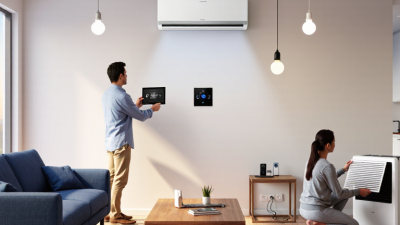
Energy costs affect every global buyer, from a small retailer to a multinational purchasing team. Choosing efficient products can protect margins, reduce operating waste, and support credible sustainability goals. However, saving energy is not achieved by selecting the cheapest appliance or machine. Performance depends on climate, voltage, usage hours, maintenance, and local electricity prices.
This guide explores ten practical ways to save on energy across international purchasing decisions. It considers verified efficiency labels, lifecycle costs, smart controls, insulation, efficient motors, and responsible supplier checks. Buyers should compare measured consumption, not attractive marketing claims. A refrigerator using 1.2 kilowatt-hours daily may appear efficient, yet poor door seals can increase its real demand. Small details matter.
Reliable guidance from organizations such as the International Energy Agency and ENERGY STAR can improve purchasing decisions. Still, labels and testing standards differ between markets. Buyers must confirm certification requirements before importing equipment. That step can prevent expensive surprises.
Some recommendations will require investment. Payback periods can also look different after currency changes. This guide does not pretend every solution fits every buyer. Careful measurement remains essential. Record monthly bills, operating hours, and equipment age before changing systems. Then test one improvement, such as LED lighting or automatic shutdown controls, and compare the results. Practical experience often challenges assumptions. A product with a higher purchase price may deliver lower ownership costs over several years. Energy savings should be measured, documented, and reviewed rather than promised.
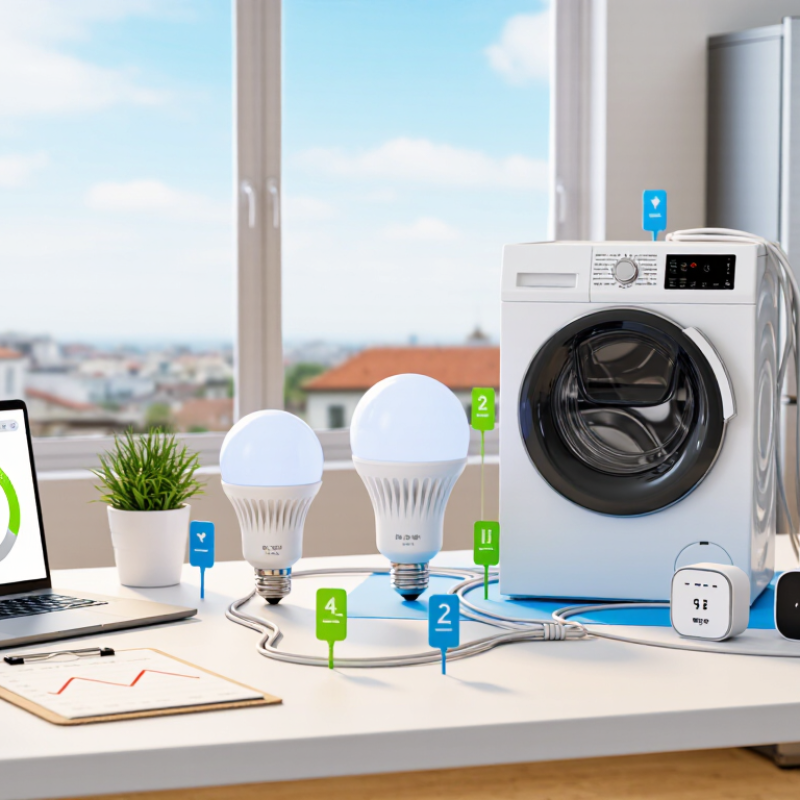
Energy savings begin with measurement, not guesswork. The International Energy Agency reports that buildings use about 30% of global final energy. That figure makes every warehouse, office, and retail site important. Buyers should collect twelve months of electricity, gas, and heating data before selecting equipment. Compare consumption with floor area, operating hours, production volume, and weather. A cold storage facility, for example, may appear efficient until night-time loads reveal unnecessary refrigeration cycles.
Look for waste patterns, not only high bills. A simple interval meter can show energy spikes at 2 a.m. Check ventilation schedules, idle machinery, compressed-air leaks, poor insulation, and standby equipment. The United Nations Environment Programme reported that buildings and construction consumed about 34% of global energy in 2022. Small faults can therefore become expensive at scale. In practice, site teams often blame old equipment too quickly. Controls, maintenance, or staff habits may cause the larger loss.
Rank each source by cost, frequency, and corrective effort. A supplier should provide measured performance data, testing conditions, and expected service life. Avoid relying on impressive efficiency claims without a baseline. My own assessment would not treat one month of readings as proof. Seasonal demand can distort the picture. Recheck after repairs, preferably under similar operating conditions. That discipline turns energy data into a purchasing decision.
Energy savings often begin with the building envelope. The International Energy Agency reports that buildings use about 30% of global final energy. Poor insulation lets heat escape through roofs, walls, floors, and window edges. Buyers should request continuous insulation, thermal-bridge checks, and tested material performance. A thicker wall is not automatically better.
Air leakage deserves equal attention. The U.S. Department of Energy notes that air sealing can reduce heating and cooling costs by up to 20% in some homes. Builders can use blower-door testing, smoke pencils, and infrared cameras to locate hidden gaps. Seal around service penetrations, doors, windows, and roof joints. Small cracks matter.
Natural temperature control can reduce mechanical demand. External shading blocks harsh summer sun before it reaches the glass. Operable windows can support cross-ventilation during cooler periods. Thermal mass, pale roofs, planted courtyards, and correct building orientation also help. The GlobalABC 2023 Global Status Report links buildings with approximately 34% of global energy demand, showing why passive design matters. Yet airtight buildings still need controlled ventilation. No project gets every detail right. A low-cost seal can fail when installation quality is ignored, and impressive insulation may underperform when moisture enters the assembly. Procurement teams should verify test records, installation methods, and local climate suitability before approving materials.
For global buyers, efficient appliances are a practical starting point for reducing energy costs. Check the energy label, annual consumption, operating noise, and expected service life. A low purchase price can hide higher electricity use. Compare performance data under similar conditions, not only the headline efficiency rating. Refrigerators, heat pumps, washing machines, and water heaters deserve close attention because they often run for hours.
Lighting also needs careful planning. Replace inefficient lamps with suitable high-efficiency alternatives, but check brightness, color temperature, and compatibility with existing controls. Motion sensors work well in storage areas and washrooms. Dimming systems can reduce waste in offices, although poorly adjusted controls may frustrate users. Small details matter. A lamp left on all night still consumes energy, even when its rating looks excellent.
Energy management systems can connect meters, sensors, appliances, and building controls. Buyers should request clear data ownership, secure access, installation support, and training. The system should show unusual consumption, peak demand, and equipment faults in understandable dashboards. Independent testing reports and local technician experience improve purchasing confidence. One practical warning remains: automation does not fix careless settings. A well-designed system may still waste energy if schedules ignore occupancy, weather, or production hours. Trial periods and monthly reviews can reveal these gaps before they become expensive habits.
10 Best Ways to Save on Energy for Global Buyers?
Adopt Renewable Energy Options and Smarter Power Storage Solutions
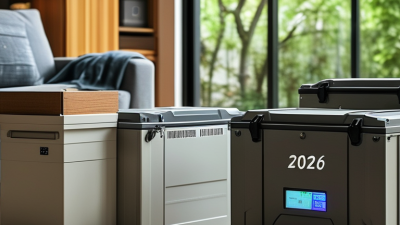
Global buyers can reduce energy costs by combining renewable generation with flexible power storage. Solar panels work well in sunny regions, while small wind systems may suit consistently windy sites. A hybrid setup can reduce dependence on unstable grid prices. However, local weather data matters more than attractive sales forecasts.
A practical system begins with an energy audit. Measure daytime demand, evening peaks, seasonal production, and equipment starting loads. Then select battery capacity based on actual usage, not maximum output. Lithium-based batteries often provide strong cycle performance, but temperature control and fire protection remain essential. Certified equipment and qualified installation should be non-negotiable.
Smart storage software can charge batteries when electricity is cheaper and discharge them during expensive periods. It can also protect critical loads during outages. Buyers should compare round-trip efficiency, warranty conditions, replacement costs, and recycling arrangements. My first payback estimate would often look too optimistic without these details. Tariffs, taxes, exchange rates, and maintenance can change the result. Leave room for uncertainty.
A phased purchase may be wiser. Start with monitoring and a smaller battery, then expand after twelve months of measured data. This approach feels slower. It can prevent an expensive mismatch between renewable supply and real business demand. Regular performance reviews help identify wasted solar power, aging batteries, or incorrect operating schedules.
| No. | Energy-Saving Method | Recommended Action | Typical Energy or Bill Impact | Useful Performance Benchmark | Best Application | Implementation Priority |
|---|---|---|---|---|---|---|
| 1 | Install On-Site Solar Generation | Use rooftop or ground-mounted solar photovoltaic systems to supply daytime electricity and reduce grid purchases. | Approximately 10–30% lower annual grid electricity use, depending on roof area, climate, load profile, and system size. | Solar modules generally produce electricity for more than 20 years, while output varies by solar resource and shading. | Warehouses, factories, offices, farms, schools, and properties with suitable unshaded space. | High where daytime electricity demand and solar exposure are strong. |
| 2 | Add Battery Energy Storage | Store low-cost or renewable electricity and discharge it during peak-price periods or grid interruptions. | Potentially 5–15% lower electricity bills where time-of-use pricing or demand charges apply. | Modern lithium-ion storage systems commonly achieve approximately 85–95% round-trip efficiency. | Commercial and industrial sites with demand charges, variable tariffs, solar generation, or weak grid reliability. | High when peak electricity prices differ significantly from off-peak prices. |
| 3 | Use Smart Energy Monitoring | Install sub-meters, connected sensors, and energy-management software to identify abnormal consumption and operating waste. | Typical behavioral and operational savings of about 5–15% when monitoring is combined with corrective action. | Track electricity use by building zone, production line, equipment type, and time interval. | Multi-site buyers, energy-intensive facilities, retail properties, and buildings with limited consumption visibility. | Very high because monitoring supports nearly every other energy measure. |
| 4 | Upgrade to High-Efficiency Lighting | Replace incandescent, halogen, and older fluorescent lighting with efficient LED systems and occupancy controls. | LED lighting can use roughly 50–80% less electricity than incandescent lighting for comparable light output. | Combine efficient lamps with daylight dimming, occupancy sensors, and scheduled shutoff controls. | Factories, warehouses, offices, hotels, shops, parking areas, and public buildings. | Very high where older lighting operates for long hours. |
| 5 | Improve Building Insulation and Airtightness | Upgrade roofs, walls, windows, doors, and seals to reduce unwanted heat transfer and air leakage. | Heating and cooling energy reductions of approximately 10–30% are possible in inefficient buildings. | Prioritize roof insulation, poorly sealed openings, single-pane windows, and high-temperature exposed surfaces. | Cold-climate buildings, hot-climate buildings, refrigerated facilities, and older properties. | High during major renovation or new construction. |
| 6 | Adopt Heat Pumps and Efficient HVAC | Replace inefficient heating or cooling equipment with heat pumps, variable-speed systems, and properly sized controls. | Heat pumps can deliver approximately 2–4 units of heat for each unit of electricity under suitable operating conditions. | Use seasonal efficiency ratings, correct sizing, regular filter maintenance, and weather-based controls. | Commercial buildings, homes, hotels, offices, and facilities with significant heating or cooling loads. | High where existing electric resistance or fossil-fuel heating is inefficient. |
| 7 | Optimize Industrial Motors and Drives | Install high-efficiency motors, variable-frequency drives, and automatic controls for pumps, fans, compressors, and conveyors. | Motor-system electricity savings of approximately 10–30% are achievable when speed and load are actively controlled. | Variable-frequency drives are particularly effective for variable-flow pumps and fans. | Manufacturing, water treatment, agriculture, mining, logistics, and process industries. | Very high for facilities with large motors running at partial load. |
| 8 | Reduce Peak Demand with Load Shifting | Schedule flexible operations, charging, pumping, cooling, and production activities during lower-cost periods. | Demand-related charges may fall by approximately 5–20%, depending on tariff structure and operational flexibility. | Use automated controls, battery storage, thermal storage, or production scheduling to avoid short demand spikes. | Commercial and industrial buyers exposed to time-of-use rates or monthly peak-demand billing. | High where peak demand represents a large share of the electricity bill. |
| 9 | Purchase Renewable Electricity | Use verified renewable electricity contracts, utility green tariffs, or certified renewable energy instruments where on-site generation is limited. | Can reduce market-based electricity emissions substantially, although direct cost savings depend on contract terms and local tariffs. | Review certificate quality, contract duration, additionality claims, delivery location, and accounting treatment. | Multi-country buyers, leased buildings, urban facilities, and organizations with limited space for on-site systems. | Medium to high for buyers with clear carbon-reduction targets. |
| 10 | Improve Equipment, Appliance, and Operational Efficiency | Buy equipment with strong efficiency ratings, turn off idle loads, maintain systems, and create energy operating procedures. | Approximately 5–20% lower electricity use is often achievable through equipment replacement and operational improvements. | Compare lifetime energy consumption, not only purchase price; include maintenance, standby use, repair, and disposal costs. | All buyer categories, especially offices, hospitality, retail, logistics, and facilities with many plug loads. | Very high for low-cost behavioral and maintenance actions. |
| Note: The percentages are indicative planning ranges rather than guaranteed results. Actual savings depend on local energy prices, climate, building condition, operating hours, equipment efficiency, financing, grid rules, and renewable-resource availability. A site audit and local tariff analysis should be completed before investment decisions. | ||||||
For global buyers, energy savings become meaningful only when results are measured consistently. Record monthly electricity, fuel, and heating data from each facility. Include production volume, operating hours, weather, and occupancy. These details prevent misleading comparisons. A colder month may increase consumption without showing poor management. Use the same units and reporting dates across regions. Small errors matter.
Compare total energy costs, not only advertised rates. Review tariffs, demand charges, taxes, currency changes, delivery fees, and maintenance expenses. A lower unit price may still produce a higher invoice during peak periods.
Ask suppliers for clear assumptions and contract conditions. Keep written records. They support better purchasing decisions and strengthen accountability.
Set a baseline before changing equipment or operating schedules. Then review performance monthly and quarterly. A simple dashboard can show consumption per product unit, cost per facility, and avoided emissions. Investigate unusual changes instead of ignoring them. Results can disappoint. That is useful information, not failure. Equipment may need calibration, staff may need training, or expected savings may have been overstated. Adjust the plan carefully, and protect successful practices through maintenance calendars, staff checks, and annual budget reviews. Long-term savings require persistence, but persistence without evidence can waste money.
Our mission is to develop cutting-edge clean energy technology and provide next-generation solar inverters.
(888) 598-9901
nep-usa@site_ea168614-f5f4-4298-bd5b-880b4cf8d99d