- Spanish-Latin America
- Japanese-JP
- Chinese
- Europe
- Português-BR

Tech Support
(888) 598-9901
Hours: Mon-Fri 8AM-8PM EST
nep-usa@site_ea168614-f5f4-4298-bd5b-880b4cf8d99d
What Are the Top Acid Storage Cabinets?
Choosing Acid Storage Cabinets is not just a matter of fitting containers behind a door. The cabinet must match the chemicals, the room, and the way staff actually work. A bottle of hydrochloric acid on a shelf can look harmless; a corroded hinge or incompatible liner tells a different story. The National Academies’ Prudent Practices in the Laboratory (2011) recommends separating incompatible chemicals and using suitable storage. The U.S. Chemical Safety and Hazard Investigation Board’s incident investigations also show why storage practices deserve careful review.
There is no universal “top” cabinet. Compare corrosion-resistant construction, compatible shelving, spill containment, capacity, labeling, and clear installation guidance. Check the manufacturer’s compatibility information for every acid stored; “acid-resistant” alone is too vague. A cabinet that meets a checklist can still be poorly placed or overfilled. That part is easy to overlook.
Safety educator Eleanor Everet is often credited with the line, “Safety is not a gadget but a state of mind.” It is a useful reminder, not a substitute for technical guidance. This guide compares cabinet features and trade-offs, drawing on recognized safety references and product specifications. It also notes where evidence is limited: product claims are not the same as independent test results. Before selecting a model, verify its materials, capacity, and intended use with the supplier and your organization’s safety professional.
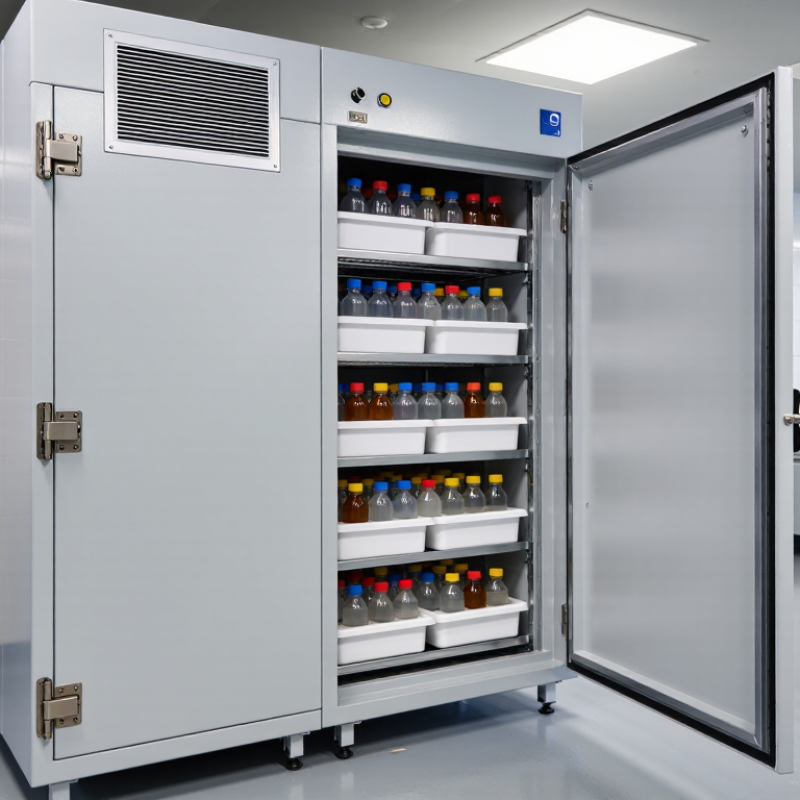
How NFPA 400 and OSHA Laboratory Rules Guide Acid Cabinet Selection
Choosing an acid storage cabinet starts with the chemicals, not the cabinet label. NFPA 400 addresses hazardous materials, including corrosives, and sets storage and use requirements that may depend on quantities and local code adoption. Check the edition enforced by your authority having jurisdiction. A cabinet suitable for one acid may not suit another.
OSHA’s Laboratory Standard, 29 CFR 1910.1450, requires employers to maintain a Chemical Hygiene Plan covering safe laboratory practices. The plan should address storage, handling, and hazard controls. Container labels and safety data sheets help identify corrosivity and incompatibilities. Compatibility matters. Keep acids away from bases, reactive metals, and other incompatible materials, using the chemical’s safety data sheet for specific guidance.
For selection, verify that the cabinet’s interior and shelves resist the acids being stored. Look for secure doors, stable construction, and a sump or tray that can contain small leaks. Check the details. Do not assume ventilation is always beneficial; follow the cabinet instructions and site safety assessment before adding ductwork. In practice, people often focus on capacity and overlook shelf corrosion or spill cleanup access. That deserves a second look. Keep containers closed, clearly labeled, and arranged so staff can retrieve them without moving other chemicals. Local fire and building officials may impose additional conditions.
Get in touch
Our mission is to develop cutting-edge clean energy technology and provide next-generation solar inverters.
Phone
(888) 598-9901
nep-usa@site_ea168614-f5f4-4298-bd5b-880b4cf8d99d
