- Spanish-Latin America
- Japanese-JP
- Chinese
- Europe
- Português-BR

Tech Support
(888) 598-9901
Hours: Mon-Fri 8AM-8PM EST
nep-usa@site_ea168614-f5f4-4298-bd5b-880b4cf8d99d
What Is a Centrifuge Tube Used For?
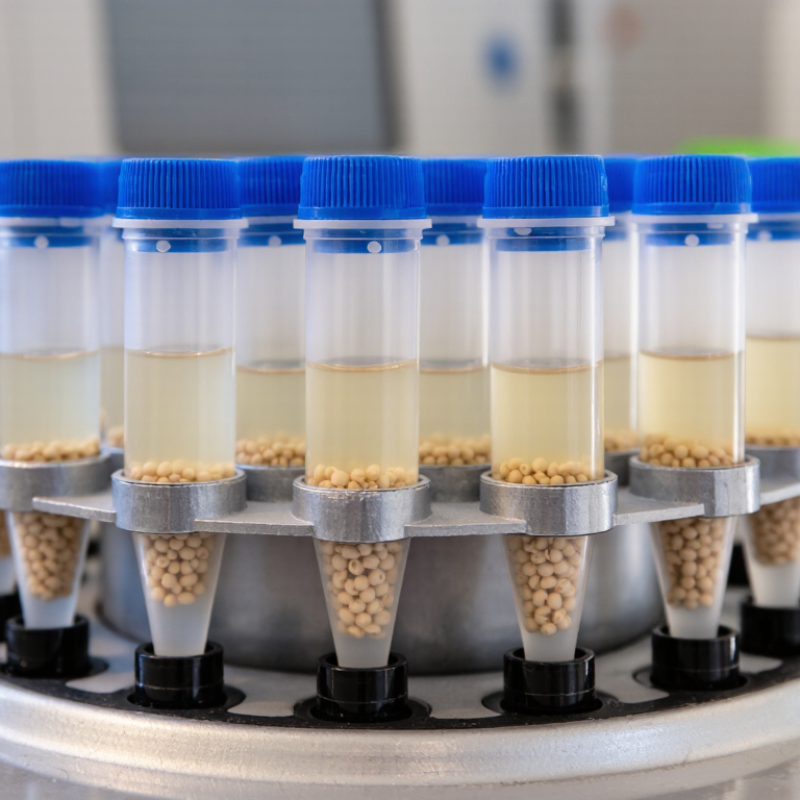
What Is a Centrifuge Tube Used For? The answer begins with separation. A Centrifuge Tube holds liquid samples while centrifugal force separates components by density. Blood, urine, cell suspensions, proteins, and environmental extracts commonly require this process. After spinning, heavier particles collect at the bottom, forming a visible pellet. The remaining liquid becomes the supernatant.
Laboratories choose tubes according to volume, speed, temperature, chemical exposure, and rotor design. Polypropylene tubes usually tolerate demanding centrifugation and many laboratory chemicals. Polycarbonate tubes may offer useful clarity but require careful compatibility checks. A 15 mL tube suits routine clinical or research samples. A 50 mL tube handles larger preparations. Small microcentrifuge tubes support DNA, RNA, and protein workflows.
MarketsandMarkets’ global centrifuge market report identifies clinical diagnostics, biotechnology, and pharmaceutical research as important demand areas. Grand View Research also links laboratory centrifugation growth with expanding life-science testing. These reports describe market direction, not permission to ignore laboratory procedures. Manufacturer ratings remain essential.
John M. Graham, author of Biological Centrifugation, states, “The tube is part of the centrifugation system, not merely a container.” That reminder matters. A mismatched tube can deform, leak, or fail under high force. Always check the rated RCF, not only RPM. Balance tubes by mass and inspect them for scratches before use. It sounds simple. It is often missed.
A good tube protects the sample, the rotor, and the technician. Yet no tube solves poor technique. Correct labeling, sealed caps, controlled temperature, and documented handling still determine reliable results. Consult the manufacturer’s instructions and applicable laboratory quality standards before every unfamiliar application.
Definition and Basic Purpose of a Centrifuge Tube
A centrifuge tube is a laboratory container designed to hold liquid samples during centrifugation. A centrifuge spins the tube at high speed, creating centrifugal force. This force separates materials according to density. Heavier particles usually move toward the bottom, while lighter liquid remains above them. The tube provides a controlled space for this separation.
The basic purpose is safe sample handling before, during, and after spinning. Tubes commonly hold blood components, cell suspensions, chemical mixtures, or prepared laboratory samples. Their shape helps fit the centrifuge rotor and supports even force distribution. A secure cap can reduce leaks, evaporation, and accidental contamination. Small details matter. The tube must match the sample volume, rotor design, and spinning conditions. Overfilling can cause leakage or poor separation. An unbalanced rotor can damage equipment and disturb results.
Material selection also matters. Some tubes tolerate strong centrifugal force, temperature changes, or specific chemicals better than others. A clear wall helps users observe layers, pellets, or cloudy mixtures. This definition is useful, but not complete. A centrifuge tube is more than a small container; it is part of a controlled testing process. Even so, tube choice cannot correct an unsuitable sample or incorrect operating settings. Careful labeling, balanced placement, and inspection for cracks remain essential in routine laboratory work.
Get in touch
Our mission is to develop cutting-edge clean energy technology and provide next-generation solar inverters.
Phone
(888) 598-9901
nep-usa@site_ea168614-f5f4-4298-bd5b-880b4cf8d99d
