Universal Bone Drill Best Uses Techniques and Insights?
The Universal Bone Drill has transformed orthopedic surgery. According to a recent report by the International Journal of Orthopedic Technology, the demand for advanced surgical tools has increased by over 25% in the past five years. This rise correlates strongly with the growing number of orthopedic procedures. Dr. Emily Carter, a leading expert in orthopedic surgery, states, "The Universal Bone Drill allows for precision that can significantly improve patient outcomes."
This innovative tool is designed to enhance surgical efficiency. Its versatility means it can be used in various procedures, from arthroscopy to spinal surgery. Despite its advantages, some practitioners remain cautious about its complexity. The learning curve for mastering the Universal Bone Drill may lead to occasional mishaps. Awareness of these challenges is crucial for assuring improved training and performance.
The integration of the Universal Bone Drill in surgical suites can boost productivity. However, it also emphasizes the need for continual education and skill refinement among surgeons. As the industry evolves, feedback from users will shape the future of this technology. Striking a balance between innovation and proficiency is essential for leveraging the full potential of the Universal Bone Drill.
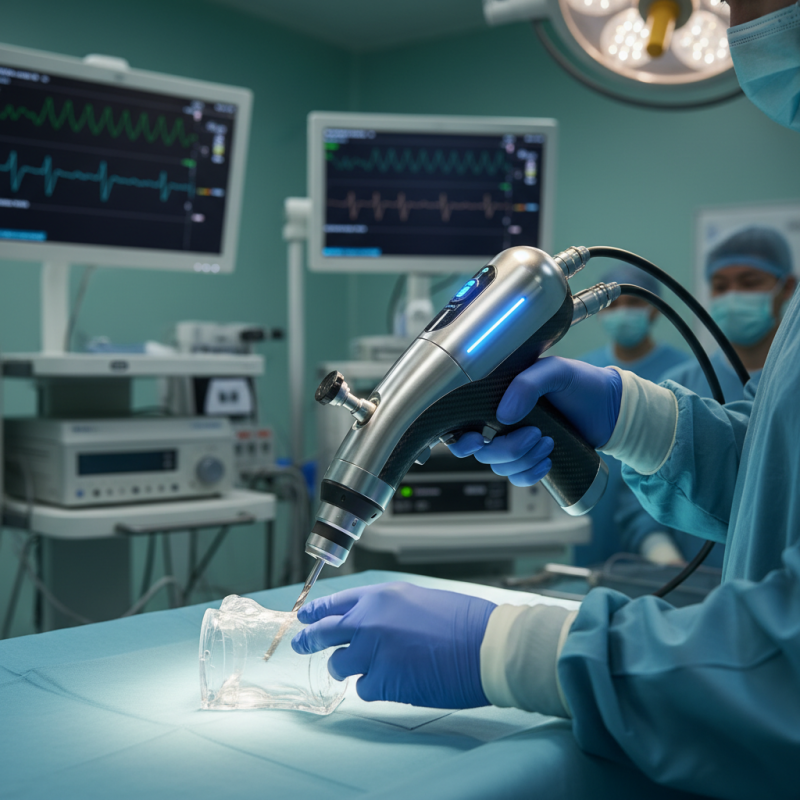
Overview of Universal Bone Drill and Its Applications
The universal bone drill represents a significant advancement in orthopedic surgery. It is designed for various applications, including joint surgeries and fracture fixation. According to the American Academy of Orthopaedic Surgeons, over 1 million hip replacement surgeries occur annually in the United States alone. The versatility of the universal bone drill makes it an essential tool for these procedures.
Surgeons appreciate its capability for both precision and efficiency. The drill can be used to create holes for screws or for inserting intramedullary nails. Data from recent medical studies indicate that using a universal bone drill can reduce operation time by nearly 20%. It’s crucial to maintain proper technique, ensuring that the drill is used at the right speed; improper use can lead to complications.
Despite its benefits, some challenges persist. Surgeons must be trained adequately to handle this equipment. Inadequate training may result in poor outcomes. Furthermore, understanding the anatomy and the best approach for each patient is essential. Not all drills fit every situation perfectly. As technology advances, continuous learning and adaptation will be vital for future developments in orthopedic tools.
Universal Bone Drill Best Uses Techniques and Insights
Application Area
Technique
Insight
Orthopedic Surgery
Direct Approach
Allows access to multiple bone types effectively.
Dental Applications
Precision Drilling
Minimizes trauma to surrounding tissue.
Trauma Surgery
Emergency Use
Rapid access in critical situations.
Agri-Food Sector
Animal Husbandry
Efficient for veterinary procedures.
Research Purposes
Specimen Collection
Facilitates study of bone regeneration.
Key Techniques for Effective Use of Universal Bone Drill
Using a universal bone drill effectively requires understanding both techniques and proper handling. First, always ensure your equipment is sterile. This is crucial to avoid infections during surgical procedures. Grip the drill firmly for control. A loose grip can lead to mistakes, causing complications later.
When drilling, choose the appropriate speed. High speed may cause heat, damaging surrounding tissues. Adjusting the pressure is equally important. Too much pressure can fracture the bone. Instead, maintain a steady rhythm. Listen to the drill's sound; it can indicate if adjustments are needed.
**Tips:** Before every use, check the drill for wear and tear. A worn drill can lead to serious issues. Practice on cadaver bones to refine your technique. This low-stakes environment allows room for mistakes. Always review your drilling technique to identify areas for improvement. Reflect on past experiences to enhance your proficiency.
Common Surgical Procedures Utilizing Universal Bone Drill
The universal bone drill has become essential in modern surgical procedures. Surgeons appreciate its versatility and efficiency. It's commonly used in orthopedic surgeries, especially for bone fixation. This drill allows precise drilling in various bone types. The goal is to create an optimal path for screws or pins that stabilize fractures.
One of the most common uses is in joint surgeries. For instance, knee and hip replacements often require drilling into the femur or tibia. The universal bone drill facilitates this by offering adjustable settings. Yet, despite its advanced features, challenges remain. The drill's power settings must be monitored closely to avoid overheating. Surgeons must maintain steady hands, as even slight deviations can lead to complications.
Another application is in spinal surgeries. Here, the drill is vital for accessing the vertebrae safely. Surgeons must be well-trained to handle the drill's precision. However, mistakes can occur. A misplaced drill point may lead to nerve damage. Continuous education and practice are crucial to improve outcomes with this tool. Each surgery provides lessons that refine the technique.
Safety Measures and Best Practices in Bone Drilling
Bone drilling is a precise task that demands strict safety measures. During any bone drilling procedure, proper protective gear is essential. This includes gloves, face shields, and surgical masks. These protect against splatter and debris. The drill should always be inspected for damage before use. A well-maintained tool ensures safety and accuracy.
Proper technique is crucial. Maintain a steady hand and avoid excessive force. Too much pressure can lead to errors and injuries. Understanding the anatomy of the area being drilled is vital. Mapping out the drilling path helps in avoiding critical structures. Always have a plan in case something goes wrong during the procedure.
Training is not just important; it’s vital. New practitioners might underestimate risks. Regular training sessions can improve skills and instill confidence. Reflection on past procedures can highlight areas for improvement. Continuous learning fosters a safer working environment. Safety is everyone's responsibility.
Bone Drill Usage Insights
Advancements and Innovations in Bone Drill Technology
Advancements in bone drill technology have significantly transformed orthopedic surgeries. The latest models are lighter, enhancing maneuverability. They fit comfortably in the surgeon's hands, reducing fatigue during long procedures. Ergonomic designs make them easier to control. Improved power sources provide consistent performance, increasing overall efficiency.
Innovations in materials have made drills more durable and sterilizable. High-quality plastics and metals resist wear and tear. This durability leads to fewer device failures, essential for patient safety. Some designs incorporate smart technology, offering features like real-time feedback. This can help surgeons adjust their technique on the fly.
While these advancements are impressive, challenges remain. Surgeons must adapt to new tools and techniques. Training protocols may lag behind technological progress, creating a gap in skills. Additionally, user experience varies among surgeons, leading to inconsistent outcomes. Reflecting on these areas can help enhance future designs and usability.