Top Tips for Understanding Your Electricity Bill View?
Understanding your electricity bill can be challenging. Charles Davis, a respected energy consultant, emphasizes, "A clear electricity bill view is essential for consumers." With rising energy costs, knowing what you're paying for is more critical than ever.
Many people glance at their bills without comprehending details. Line items on an electricity bill may seem confusing. The rates, taxes, and fees can vary greatly. Gaining clarity allows you to identify unnecessary charges. This understanding empowers you to make informed decisions.
Educating yourself about your bill will take time and effort. It might seem overwhelming at first. However, tackling this challenge step by step can lead to significant savings. Each month, scrutinizing the electricity bill view can reveal patterns. In time, what once seemed complex can become manageable.

Understanding the Key Components of Your Electricity Bill
Understanding your electricity bill can often feel overwhelming. Grasping the key components is vital for effective energy management and budgeting. A typical bill breaks down charges into four main areas: energy use, fixed charges, taxes, and fees. Each part impacts your total cost.
When reviewing your bill, pay close attention to the usage section. This shows your consumption in kilowatt-hours (kWh). Comparing current usage to previous months can highlight trends. You may notice unexpected spikes, prompting a deeper investigation into your habits.
Look out for fixed charges. These fees are consistent and can make a significant difference. They often cover grid maintenance and emergency services. Understanding them can explain why your bill doesn't drastically decrease even when your usage drops. You may find that reducing usage alone won't lead to major savings.
Lastly, don't overlook taxes and additional fees. These can vary widely based on location and policies. They might include renewable energy surcharges or environmental fees. It’s easy to overlook these small items, but they can accumulate. Reviewing them could spark a need for further exploration into your energy provider's practices.
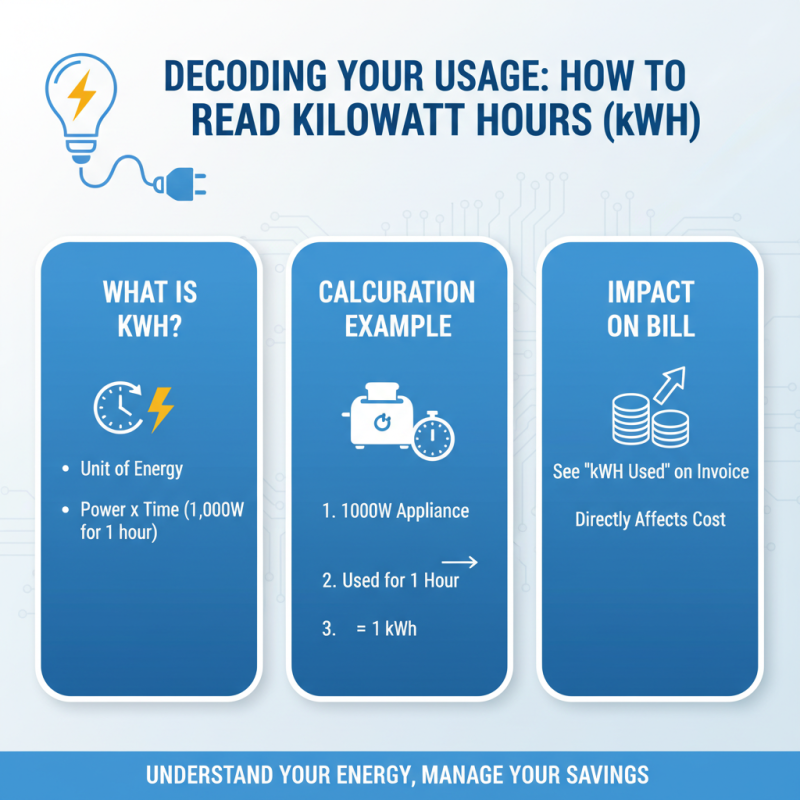
Decoding Your Usage: How to Read Kilowatt Hours (kWh)
Understanding your electricity bill can be daunting. One key aspect is the kilowatt hours (kWh) you use. A kWh measures energy consumption over an hour. For example, using a 1,000-watt appliance for one hour equals one kWh. This simple calculation can drastically impact your bill. Look for the kWh section on your invoice to see how much energy you've consumed during the billing period.
Analyzing your usage is vital. If you notice a sudden increase, reflect on your habits. Did you run more appliances than usual? Perhaps you had guests? Identifying peaks in usage helps you manage costs. Picture this: a high-energy week can raise your bill, but minor changes can save money. Remember, understanding your energy habits is the first step to lower costs.
Finally, keep in mind that your bill might include other charges. These can complicate your overall understanding of energy use. Do you fully grasp the fixed fees or taxes included? Take time to explore each section. Not all bills are clear, and some features may confuse you. Your effort to decode this can lead to smarter choices.
Analyzing Additional Charges: Delivery Fees and Taxes Explained
Understanding your electricity bill can be challenging. Many people overlook the additional charges that can significantly increase the total. Delivery fees and taxes are often the culprits behind inflated bills. These charges can vary widely depending on your location and provider.
Delivery fees cover the cost of transporting electricity from power plants to your home. This fee can involve maintenance of power lines and other infrastructure. It might seem small at first, but over time, it adds up. Taxes also play a role. Depending on your state or local regulations, taxes can increase your monthly payment.
It’s important to read through your bill carefully each month. Look for detailed breakdowns of these charges. Don't hesitate to question any fees that seem unfamiliar or excessive. Awareness is key in managing your electricity expenses. Engaging with your utility provider can provide insights. By understanding these costs, you can make informed decisions to better control your energy consumption.
Top Tips for Understanding Your Electricity Bill - Analyzing Additional Charges: Delivery Fees and Taxes Explained
Charge Type
Description
Typical Amount
Frequency
Delivery Fee
Charge for transporting electricity from the grid to your home
$10 - $30
Monthly
Supply Charge
Cost of the electricity you consume
$50 - $150
Monthly
Taxes
State and local taxes applied to your bill
$5 - $20
Monthly
Renewable Energy Charge
Fee for supporting renewable energy projects
$1 - $5
Monthly
Late Payment Fee
Charge for late payment of the bill
$10 - $25
Per Instance
Comparing Rates: Fixed vs. Variable Pricing on Your Bill
When reviewing your electricity bill, the pricing structure is crucial. Understanding fixed versus variable pricing can help you make better decisions.
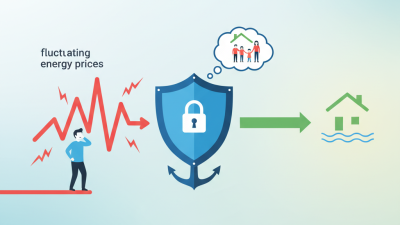
Fixed pricing offers stable rates over time. This means your monthly costs won’t fluctuate, providing predictability.
It's particularly useful for budgeting. However, if market prices drop, you may miss out on savings.
On the other hand, variable pricing changes based on market conditions. This can lead to lower rates when demand decreases.
But it introduces uncertainty. Your bill could spike unexpectedly. Think about your risk tolerance. Are you comfortable with potential increases?
Weigh the pros and cons carefully.
Many customers struggle to choose the best option. Some may gravitate towards fixed pricing for peace of mind.
Others might appreciate the chance of lower costs with variable rates. Assess your usage patterns.
A deep understanding of your energy habits can guide your choice. You might find that mixing both options serves your needs.
Balancing stability and flexibility could prove beneficial.
Tips for Reducing Your Electricity Costs Through Smart Practices
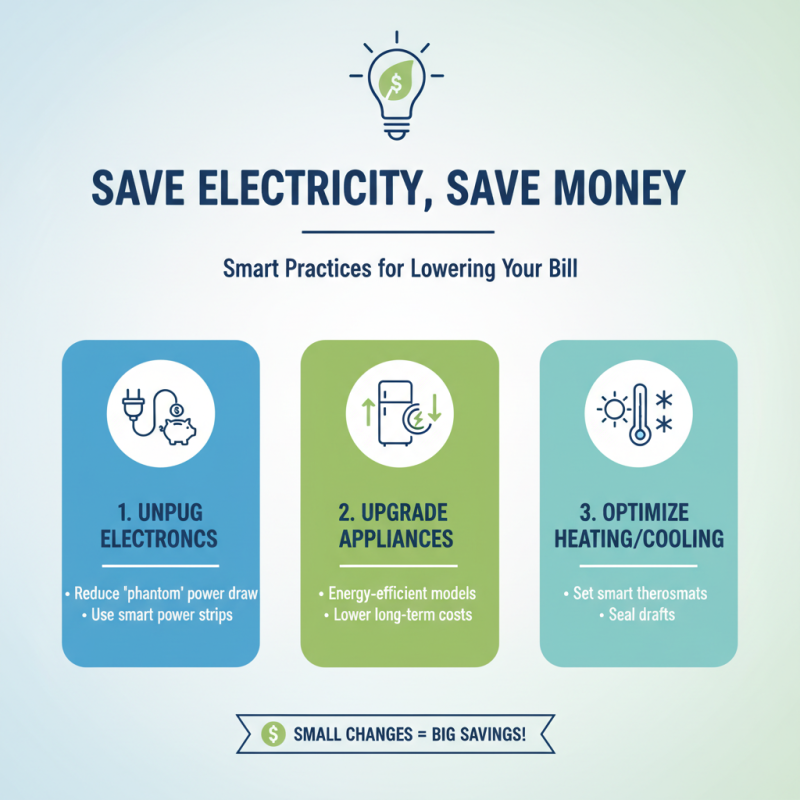
Understanding your electricity bill can be daunting. However, small changes in daily habits can lead to substantial savings. For instance, consider using energy-efficient appliances. These may have a higher upfront cost, but they consume less energy over time. Over the months, the savings can noticeably lower your electricity bill.
Another practical tip is to monitor your usage regularly. Tracking how and when you use electricity can help identify peak times. You might find that running heavy appliances during off-peak hours saves a lot. Additionally, simple practices like unplugging devices when not in use can make a difference. It's often overlooked but can prevent unnecessary energy drain.
Be mindful of lighting as well. Using natural light during the day reduces reliance on artificial lighting. Switching to LED bulbs can also minimize energy consumption. However, remember that habits take time to change. Reflect on your routines and adjust where needed. These thoughtful actions contribute to reducing electricity costs effectively while promoting a more sustainable lifestyle.