- Spanish-Latin America
- Japanese-JP
- Chinese
- Europe
- Português-BR

Tech Support
(888) 598-9901
Hours: Mon-Fri 8AM-8PM EST
nep-usa@site_ea168614-f5f4-4298-bd5b-880b4cf8d99d
Top Salto Hotel Card Suppliers for Global Buyers?
Choosing reliable Salto Hotel Card suppliers requires more than comparing prices on a product page. Global buyers need cards that work consistently with their Salto access systems, hotel software, and daily operating routines. A poorly matched card can create failed check-ins, locked rooms, and frustrated guests. Small details matter.
This guide examines suppliers through practical purchasing factors. These include card compatibility, encoding options, printing quality, material durability, minimum order quantities, and international delivery. Experienced buyers should request samples before placing large orders. A sample can reveal weak printing, uneven edges, or unreliable reading performance. Suppliers with documented manufacturing procedures and responsive technical support deserve closer attention. Certifications and test reports can also strengthen confidence, although paperwork alone proves little. That is worth remembering.
Reliable suppliers should explain their production capacity, lead times, packaging methods, and replacement policies clearly. They should also confirm whether their cards support the buyer’s specific Salto platform and reader configuration. Regional shipping experience may reduce customs delays and communication problems. However, no supplier is perfect. Even a trusted manufacturer may face seasonal delays, material shortages, or artwork mistakes. Buyers should leave time for testing and approve final artwork in writing. Clear communication remains essential.
The following overview highlights leading Salto Hotel Card suppliers for global buyers. It focuses on practical evidence rather than attractive claims. Readers can use these criteria to compare vendors, reduce purchasing risks, and select a partner suited to their hotel’s scale, location, and service expectations.
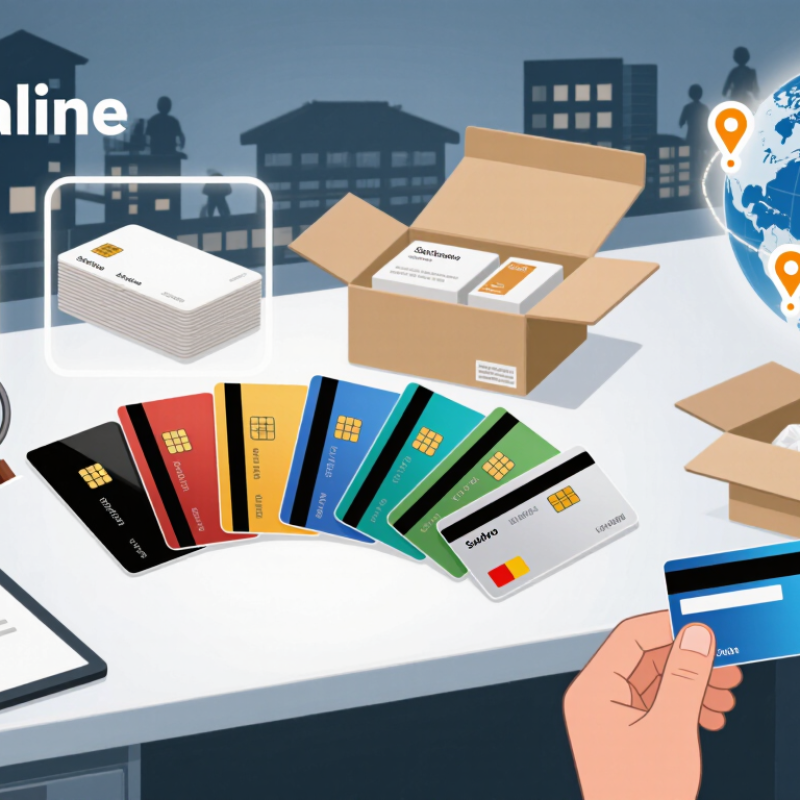
What Are SALTO Hotel Cards and How Do They Work?
SALTO hotel cards are contactless credentials used to open authorized guest rooms and service areas. They commonly use RFID or NFC technology. When a guest taps the card, the lock reads its encrypted data. The system then checks the room number, access dates, and permitted areas. If the details match, the lock releases. The card does not normally contain a guest’s full personal profile. It carries controlled access information instead.
Hotel staff encode each card at the front desk. Access rights can be limited by room, floor, time, or facility. Many wireless locks store permissions locally, which helps when the network is temporarily unavailable. An audit trail can record entry attempts, successful openings, and expired credentials. This supports daily security checks and incident reviews. Physical cards remain useful because guests can carry them easily, even though they may be lost.
For global buyers, compatibility deserves careful attention. Card technology, lock hardware, encoding software, and hotel systems must work together. Ask suppliers for samples, technical documents, and replacement procedures. Confirm encryption standards and data-handling practices before purchasing. Compatibility matters. Do not judge cards by appearance alone. A common mistake is ignoring staff training and backup access procedures. No system is perfect. Cards can be damaged, demagnetized, or issued with incorrect dates. Hotels should test them in real rooms, elevators, and restricted areas. That practical test may reveal problems that product sheets hide.
Get in touch
Our mission is to develop cutting-edge clean energy technology and provide next-generation solar inverters.
Phone
(888) 598-9901
nep-usa@site_ea168614-f5f4-4298-bd5b-880b4cf8d99d
