- Spanish-Latin America
- Japanese-JP
- Chinese
- Europe
- Português-BR

Tech Support
(888) 598-9901
Hours: Mon-Fri 8AM-8PM EST
nep-usa@site_ea168614-f5f4-4298-bd5b-880b4cf8d99d
Best Optical SFP Module Manufacturers in China
China has a broad network of optical networking suppliers, but choosing a manufacturer takes more than comparing prices. This guide to the Best Optical SFP Module Manufacturers in China focuses on practical evidence buyers can verify. It considers product range, engineering support, quality controls, and communication after a purchase. A polished catalog is useful. It is not proof of consistent performance.
When evaluating an Optical Sfp Module supplier, match the specification to the actual network. Check data rate, wavelength, fiber type, transmission distance, connector, and supported temperature range. For example, a 10G module for single-mode fiber may not suit a short multimode link. Ask whether digital diagnostics are available and how compatibility is tested with your switches. These details can prevent avoidable installation delays.
Reliable manufacturers should explain their testing process and provide clear product documentation. Buyers can request sample units, inspection records, warranty terms, and information about batch traceability. Also clarify lead times, minimum order quantities, and how technical questions are handled. Not every supplier fits every project. A smaller vendor may offer responsive engineering help, while a larger one may provide broader stock and production capacity. Neither advantage should be assumed without evidence.
No shortlist can replace independent verification. Specifications may look similar, yet firmware support, component sourcing, and quality consistency can differ. Treat supplier claims as a starting point, compare them against your equipment requirements, and confirm important details in writing. A careful review takes time. It can save more.
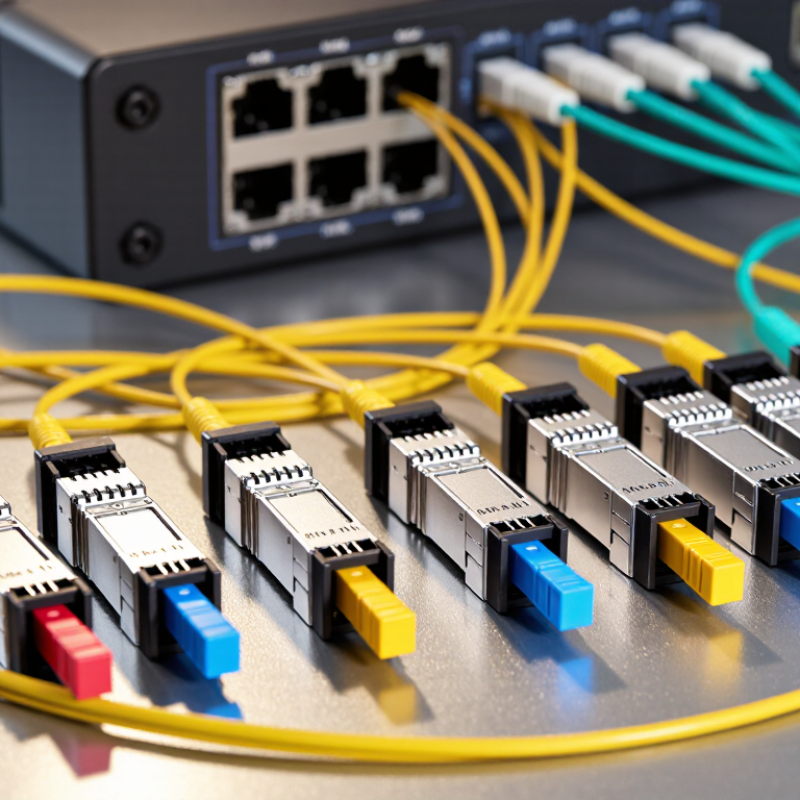
Optical SFP Basics: 1.25 Gb/s SFP, 10 Gb/s SFP+, and 25 Gb/s SFP28
Optical SFP modules differ in more than their labels. A 1.25 Gb/s SFP commonly serves Gigabit Ethernet links. IEEE 802.3 specifies 1000BASE-X signaling at 1.25 GBd, with encoding overhead carrying 1 Gb/s of Ethernet data. Check the interface and fiber type before choosing one. A familiar cage does not guarantee compatibility.
A 10 Gb/s SFP+ module typically uses a 10.3125 GBd serial signal. IEEE 802.3 defines this rate for 10GBASE-R, using 64b/66b encoding. A 25 Gb/s SFP28 module commonly runs at 25.78125 GBd for 25GBASE-R. These figures come from IEEE 802.3 specifications, a useful technical reference for comparing module and host requirements. Not interchangeable.
For a real link, verify wavelength, connector, fiber grade, reach, and host support. For example, 10GBASE-SR is designed for multimode fiber, while LR optics use single-mode fiber. The actual supported distance depends on the optic and cable plant. SFF-8472 also defines digital diagnostics used to monitor values such as temperature and transmit power. One caveat: labels can make selection seem simpler than it is. I would still confirm the host platform’s compatibility list and test the link under load.
Get in touch
Our mission is to develop cutting-edge clean energy technology and provide next-generation solar inverters.
Phone
(888) 598-9901
nep-usa@site_ea168614-f5f4-4298-bd5b-880b4cf8d99d
