- Spanish-Latin America
- Japanese-JP
- Chinese
- Europe
- Português-BR

Tech Support
(888) 598-9901
Hours: Mon-Fri 8AM-8PM EST
nep-usa@site_ea168614-f5f4-4298-bd5b-880b4cf8d99d
Who Are the Top Gas Brick Oven Suppliers in China?
Choosing a reliable Gas Brick Oven supplier in China takes more than comparing catalog prices. Buyers should examine oven construction, burner performance, temperature control, and service support. These details affect daily operation, fuel use, and baking consistency. Heat matters. So does the way it moves through the chamber.
A useful supplier comparison looks at verifiable specifications, factory capabilities, product testing, and customer references. Ask what refractory materials line the oven, how quickly it reaches working temperature, and whether replacement parts are available. Request clear installation guidance and practical warranty terms. Photos can help, but they cannot confirm build quality on their own. A video call or factory visit may provide better evidence, though not every buyer can arrange one.
The top supplier will depend on the intended use. A restaurant serving pizzas all day may need different capacity and controls than a bakery or hotel kitchen. Check dimensions, output claims, customization options, and export packaging against your actual requirements. Then compare responses for clarity, not just speed. A confident sales answer is not the same as proven performance.
No supplier is perfect. Even strong products may require careful installation, staff training, or adjustments to suit local workflows. This guide introduces leading Chinese suppliers and the practical questions that help buyers assess them. The aim is not to promise a universal winner, but to support a better-informed decision.
How Gas Brick Ovens Work and Where They Are Used
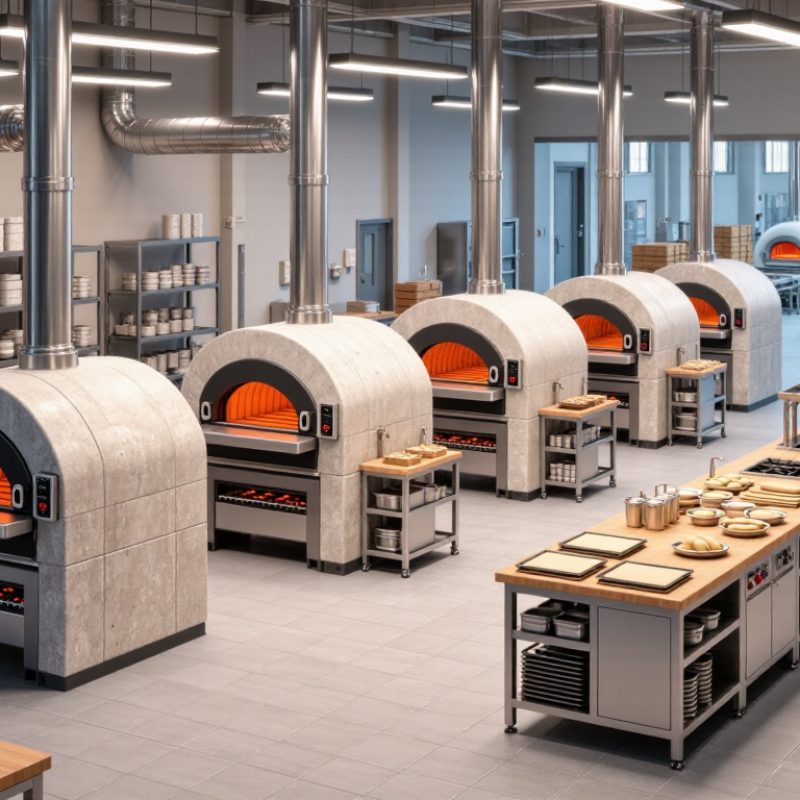
A gas brick oven combines a controlled burner with a heat-retaining masonry chamber. The burner warms the oven floor and dome, while hot air circulates around the food. Once the bricks absorb heat, they release it steadily, helping cook pizza bases, flatbreads, and roasted dishes. Heat matters. Operators usually preheat the oven and check the floor temperature before loading food. A small flame adjustment can change browning, but it cannot quickly correct unevenly heated bricks.
These ovens are used in restaurants, bakeries, catering kitchens, and some outdoor cooking areas. A busy pizzeria may value quick temperature recovery between batches, while a bakery may prefer the stable heat for bread. The results depend on oven design, fuel supply, insulation, and the operator’s routine. Watch the flame. Poor airflow or rushed preheating can leave one side pale and another overdone; even experienced cooks need to rotate food and monitor it. For reliable operation, installation should include suitable ventilation and be handled by a qualified professional. Gas firing is convenient, though it does not remove the need for cleaning, temperature checks, or careful training.
Get in touch
Our mission is to develop cutting-edge clean energy technology and provide next-generation solar inverters.
Phone
(888) 598-9901
nep-usa@site_ea168614-f5f4-4298-bd5b-880b4cf8d99d
