- Spanish-Latin America
- Japanese-JP
- Chinese
- Europe
- Português-BR

Tech Support
(888) 598-9901
Hours: Mon-Fri 8AM-8PM EST
nep-usa@site_ea168614-f5f4-4298-bd5b-880b4cf8d99d
Top Folding Electric Scooters for Adults in 2026?
A Folding Electric Scooter can make a crowded commute feel simpler: fold it beside your desk, carry it up a few steps, and avoid searching for a parking space. But convenience depends on details that showroom photos rarely show. A scooter weighing 30 pounds can feel heavy after several flights of stairs. A compact frame also means little if its latch rattles or its folded shape blocks a train aisle.
Demand for small electric rides sits within a growing micromobility landscape. NACTO’s Shared Micromobility in the U.S. and Canada: 2023 report recorded 133 million shared micromobility trips that year. The figure covers shared bikes and scooters, not personal foldable scooter sales. That distinction matters. It signals widespread use, but it cannot tell buyers which private model is reliable. Real-world range can also fall short of a brand’s estimate, especially on hills, in cold weather, or under heavier loads. Worth remembering.
This guide compares adult models through practical measures: folded dimensions, carry weight, braking, ride comfort, charging time, and independently documented safety features. We’ll also separate manufacturer claims from evidence where possible. No scooter suits every rider. A model that glides over smooth pavement may feel harsh on cracked sidewalks. The best choice is the one you can lift, store, and ride comfortably—not merely the one with the longest advertised range.
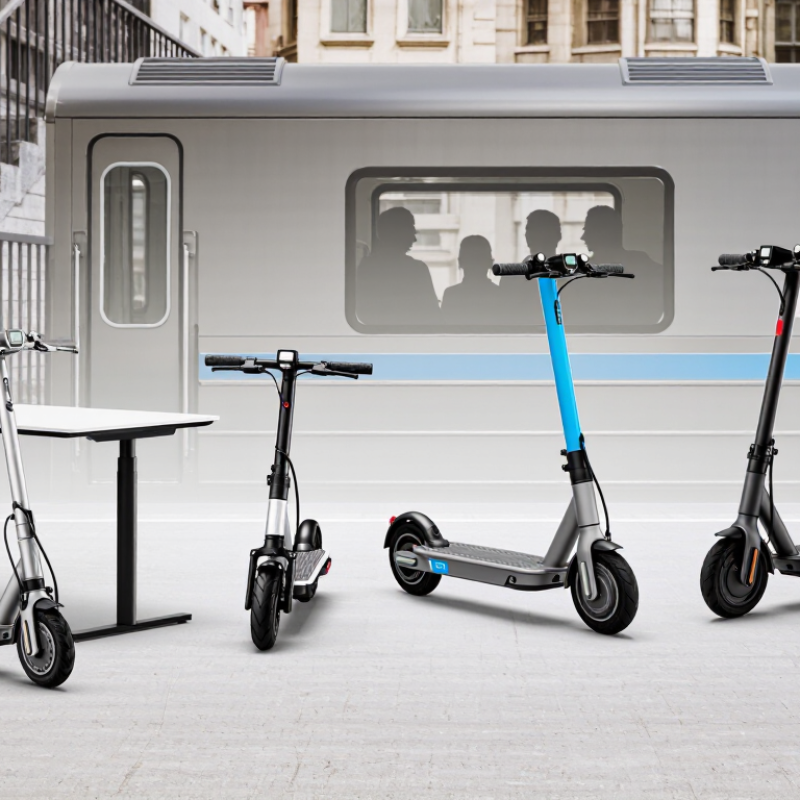
How Folding Electric Scooters for Adults Work
Top Folding Electric Scooters for Adults in 2026?
How Folding Electric Scooters for Adults Work
A folding electric scooter uses a hinge or joint in its frame to reduce its size for storage and carrying. Most designs release a latch near the steering column, allowing the handlebar stem to fold toward the deck. A locking catch then holds the scooter in its folded position. The exact steps vary, so check the maker’s instructions before trying a new mechanism. That small detail matters.
Folding changes the scooter’s shape, not how its electric drive works. A rechargeable battery supplies power to a motor, while a controller responds to the rider’s throttle and braking inputs. Cables and wires often pass through or near the folding joint. They should remain clear of the hinge and show no pinching or wear. Never force a stiff latch; dirt, poor alignment, or damage may be the cause.
For everyday use, the practical test is simple: can you fold and unfold it steadily, without trapping fingers or tugging cables? Check that the latch is fully engaged before riding, and that the stem feels secure. Some scooters are compact but still heavy to lift. Folding helps with a car trunk or office corner, but it does not make every model easy to carry. A quick inspection takes a little patience, and people sometimes skip it.
Get in touch
Our mission is to develop cutting-edge clean energy technology and provide next-generation solar inverters.
Phone
(888) 598-9901
nep-usa@site_ea168614-f5f4-4298-bd5b-880b4cf8d99d
