- Spanish-Latin America
- Japanese-JP
- Chinese
- Europe
- Português-BR

Tech Support
(888) 598-9901
Hours: Mon-Fri 8AM-8PM EST
nep-usa@site_ea168614-f5f4-4298-bd5b-880b4cf8d99d
China Top Red Face Light Therapy Manufacturers?
Red Face Light Therapy is moving from beauty counters into a more evidence-conscious skincare market. China now hosts manufacturers offering flexible LED masks, tabletop panels, and clinic-grade systems. Their claims sound similar. Their engineering quality may not be.
Industry reports show strong growth in the wider LED light therapy device sector. Grand View Research reported expanding consumer demand, while Fortune Business Insights identified home-use aesthetics as a major market driver. However, these reports often combine acne, pain, hair, and skin-rejuvenation devices. Their figures should not be treated as direct Red Face Light Therapy sales data.
Clinical evidence is more specific. A Photomedicine and Laser Surgery study assessed LED treatment across 136 participants and reported improvements in skin appearance. Still, treatment settings differed. Wavelength, irradiance, exposure time, and device distance can change results. This is where many supplier comparisons become weak.
Dr. Michael R. Hamblin, a leading photobiomodulation researcher, wrote, “The mechanism of action of PBM is based on the absorption of photons by mitochondrial chromophores.” That principle supports scientific interest, not automatic product approval.
A reliable China manufacturer should provide measured wavelength accuracy, irradiance testing, optical safety documentation, and consistent thermal control. ISO 13485 certification can indicate stronger medical-device quality systems. It does not prove clinical effectiveness.
This guide examines China’s top Red Face Light Therapy manufacturers through evidence, manufacturing experience, product testing, and export reliability. Some rankings remain imperfect. Public data is uneven. Buyers should verify every certificate, test report, and clinical claim before choosing a supplier.
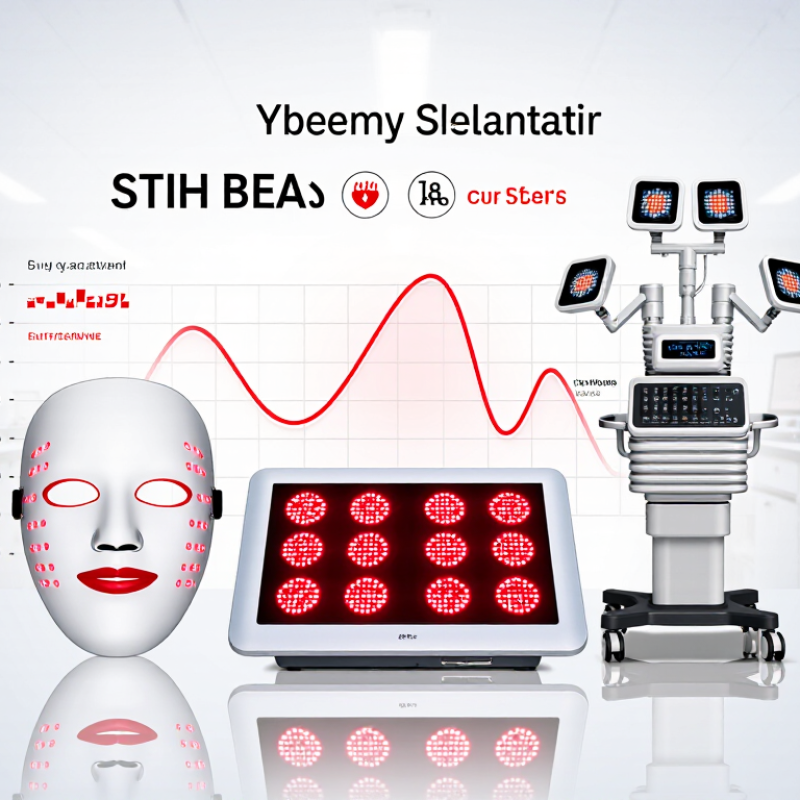
Red Light Face Therapy: Technology, Benefits, and Applications
Red light face therapy uses low-intensity red and near-infrared LEDs, commonly between 620 and 850 nanometres. These wavelengths may support cellular energy production and moderate visible skin inflammation. The American Society for Laser Medicine and Surgery describes photobiomodulation as a non-thermal approach with growing dermatology applications. However, device results depend on wavelength, irradiance, treatment distance, and exposure time. More light is not automatically better.
Clinical research suggests possible improvements in fine lines, skin texture, and healing appearance. A 2023 systematic review reported beneficial outcomes for several photobiomodulation applications, but it also noted limited sample sizes and inconsistent protocols. The evidence is promising, not perfect. Market research from Grand View Research projects strong growth in the global light therapy devices sector through 2030, reflecting wider consumer interest rather than guaranteed clinical results. Reliable manufacturers should publish measured output, electrical safety testing, eye-protection guidance, and clear usage limits.
Tips: Clean, dry skin first. Follow the stated distance and schedule. Take monthly photos under identical lighting. Avoid judging results after one session. Results vary. Users with photosensitive conditions or medication concerns should seek professional advice before use. Even careful testing can miss long-term differences, which is why independent evaluation remains important.
China Top Red Face Light Therapy Manufacturers? - Red Light Face Therapy: Technology, Benefits, and Applications
| Data Dimension | Typical Industry Data | Clinical or Practical Relevance | Common Applications |
|---|---|---|---|
| Primary red-light wavelength | Approximately 630–660 nm | Visible red light is commonly used for superficial skin-focused photobiomodulation research and cosmetic devices. | Fine-line care, skin appearance, post-procedure cosmetic support, and general skin revitalization. |
| Near-infrared wavelength | Approximately 810–850 nm | Near-infrared light penetrates more deeply than visible red light and is frequently studied in photobiomodulation. | Skin-support routines, comfort-focused wellness use, and combined red plus near-infrared facial devices. |
| Typical irradiance | Often about 10–60 mW/cm² for consumer facial devices | Irradiance determines how quickly an energy dose is delivered; actual output varies by device design and measurement method. | Home-use masks, handheld panels, tabletop units, and professional facial systems. |
| Common energy dose | Frequently marketed within approximately 3–20 J/cm² per session | Dose is calculated from irradiance multiplied by treatment time; following tested device instructions is important. | Short scheduled facial treatments performed several times per week or according to the product protocol. |
| Treatment duration | Commonly 5–20 minutes per session | Session length depends on wavelength, irradiance, treatment distance, coverage, and the intended use. | At-home skincare routines and clinic-based adjunctive treatments. |
| Photobiomodulation mechanism | Low-intensity light exposure is investigated for effects on cellular signaling and mitochondrial activity. | Proposed mechanisms include changes in cellular energy processes, oxidative signaling, and inflammatory responses; outcomes vary by protocol. | Non-invasive cosmetic skin support and adjunctive wellness applications. |
| Skin appearance benefits | May support the appearance of fine lines, uneven tone, redness, and overall skin texture with consistent use. | Results are generally gradual and depend on age, skin condition, treatment consistency, and device performance. | Anti-aging skincare routines, complexion care, and skin-maintenance programs. |
| Acne-related use | Red light may be used as supportive care; blue light is more commonly associated with targeting acne-related bacteria. | Red light alone should not be presented as a substitute for diagnosis or clinically established acne treatment. | Multi-color facial devices and adjunctive skincare protocols. |
| Device formats | Flexible masks, rigid masks, handheld devices, tabletop panels, and clinic systems | Coverage, treatment distance, comfort, fit, and output consistency differ substantially by format. | Personal home care, beauty salons, dermatology clinics, and aesthetic centers. |
| Key quality specifications | Wavelength accuracy, irradiance uniformity, thermal control, timer accuracy, electrical safety, and optical shielding | Reliable specifications help users compare devices and reduce the risk of inconsistent dosing or excessive heat. | Product evaluation, private-label sourcing, professional procurement, and regulatory review. |
| Safety considerations | Generally non-invasive, but possible effects include temporary redness, warmth, dryness, or eye discomfort. | Use eye protection when instructed, avoid excessive exposure, and seek medical advice for photosensitivity or relevant medication use. | Consumer instructions, professional supervision, and pre-treatment screening. |
| Expected time to assess results | Often several weeks of consistent use; some studies assess outcomes over 4–12 weeks. | Visible outcomes are not immediate for most cosmetic goals and may differ between individuals. | Routine-based skincare programs and before-and-after monitoring under consistent conditions. |
| Manufacturing and sourcing criteria | Documented testing, traceable components, stable optical output, quality-control records, and applicable market compliance | Independent verification and technical documentation are more meaningful than marketing claims alone. | OEM/ODM assessment, distributor due diligence, clinic purchasing, and export-market preparation. |
Note: Specifications and outcomes vary by device, protocol, and user. The figures above are general industry ranges rather than guarantees for any particular product.
Get in touch
Our mission is to develop cutting-edge clean energy technology and provide next-generation solar inverters.
Phone
(888) 598-9901
nep-usa@site_ea168614-f5f4-4298-bd5b-880b4cf8d99d
