- Spanish-Latin America
- Japanese-JP
- Chinese
- Europe
- Português-BR

Tech Support
(888) 598-9901
Hours: Mon-Fri 8AM-8PM EST
nep-usa@site_ea168614-f5f4-4298-bd5b-880b4cf8d99d
What Are the Top China Hub Motors for Global Buyers?
Choosing among China’s top Hub Motors is not simply a matter of comparing wattage or factory prices. Global buyers need to examine torque curves, thermal behavior, controller compatibility, sealing quality, and long-term support. A motor that performs well on a test stand may struggle on a steep, wet road. That difference matters.
Justin Lemire-Elmore, a respected electric-bicycle engineer and founder of Grin Technologies, has often stressed the importance of matching motor characteristics to the complete vehicle. His practical view can be expressed clearly: “The motor must be matched to the application.” It is a simple idea. Many purchasing mistakes begin by ignoring it.
This guide examines Chinese hub-motor options through an international buyer’s lens. It considers direct-drive and geared designs, 250W urban systems, higher-torque cargo solutions, and sealed motors for demanding environments. It also looks beyond brochures. Manufacturing consistency, bearing quality, spoke-hole design, waterproof connectors, certification documents, and replacement-part access deserve equal attention. These details are easy to overlook.
Real-world evidence matters.
A buyer should ask for independent test data, sample units, production photos, and clear warranty terms. Factory claims are useful, but they are not final proof. Even experienced buyers can misjudge a supplier after one successful sample. That is an uncomfortable limitation.
China remains a major source of competitive Hub Motors, yet “top” depends on the vehicle, terrain, climate, regulatory market, and service expectations. The strongest choice is rarely the cheapest one. It is the motor that delivers predictable performance after thousands of kilometers.
What Is a Hub Motor and Why Is It Important for Global Buyers?
What Are the Top China Hub Motors for Global Buyers?
What Is a Hub Motor and Why Is It Important for Global Buyers?
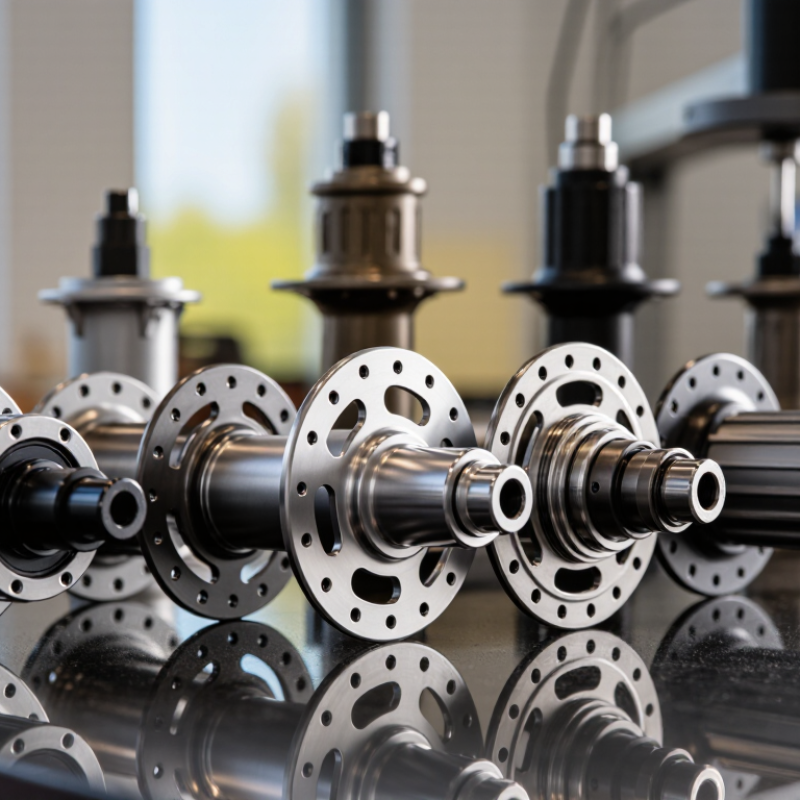
A hub motor is an electric motor built inside a vehicle’s wheel hub. It drives the wheel directly or through internal gears. This layout removes chains, belts, and several drivetrain parts. For global buyers, that means simpler assembly and fewer routine maintenance points. It also makes platform design more flexible.
The market is expanding quickly. The International Energy Agency reported nearly 14 million electric car sales worldwide in 2023, representing about 18% of total car sales. That figure does not measure hub motors directly. However, it shows stronger demand for compact electric drive systems. In electric bicycles, scooters, and light utility vehicles, hub motors remain practical because they fit limited frame space. They can also support quick installation.
Real purchasing decisions require more than rated wattage. Buyers should compare continuous torque, peak current, wheel size, voltage, thermal behavior, controller matching, and verified water resistance. A motor marked “high efficiency” may perform differently on hills, gravel, or in hot climates. I would not trust a catalog figure alone. Independent testing matters.
Geography changes the answer. A coastal buyer may prioritize corrosion protection. A fleet operator may value replaceable bearings and local service parts. Direct-drive motors are quiet and durable, while geared versions usually offer lower weight and stronger low-speed response. The trade-off is easy to underestimate. A cheaper motor can become expensive when shipping, firmware changes, or warranty delays enter the calculation.
Get in touch
Our mission is to develop cutting-edge clean energy technology and provide next-generation solar inverters.
Phone
(888) 598-9901
nep-usa@site_ea168614-f5f4-4298-bd5b-880b4cf8d99d
