What is a Solar Powered Attic Fan and How Does It Work?
A solar powered attic fan is an effective solution for improving ventilation in homes. According to John Smith, an industry expert and founder of EcoVent Systems, “These fans not only lower cooling costs but also enhance indoor air quality.” By harnessing solar energy, this ventilation system reduces the heat buildup in attics. It operates quietly, using technology that requires minimal maintenance.
The technology behind solar powered attic fans is straightforward yet innovative. Solar panels on the unit convert sunlight into electricity, powering the fan. This helps to prevent mold growth and prolongs the lifespan of roofing materials. The fans work efficiently during the hottest hours of the day, removing hot air and creating a cooler environment below.
Despite their benefits, some homeowners hesitate to invest. They wonder if the initial costs are justified. In some climates, the energy savings may take time to cover the purchase price. Reflecting on these concerns can lead to a deeper understanding of energy efficiency. A solar powered attic fan is not just a summer convenience; it is an investment in home health and sustainability.
What is a Solar Powered Attic Fan and Its Purpose in Home Ventilation
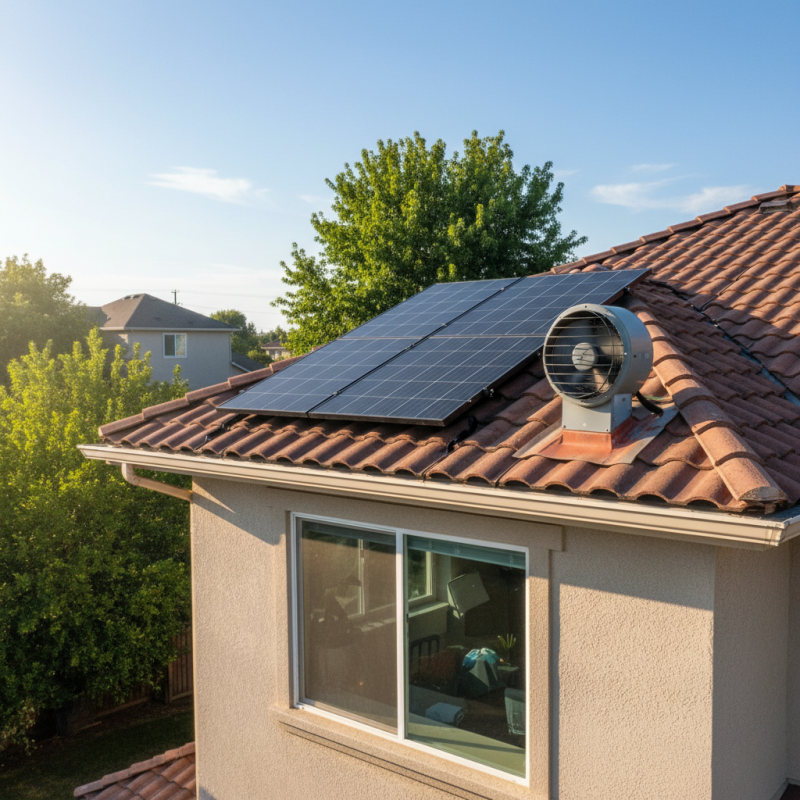
A solar-powered attic fan is a powerful ally in home ventilation. It harnesses solar energy to cool your attic and reduce heat buildup. This technology helps maintain a balanced temperature throughout your home, enhancing comfort during the hot months.
The purpose of this kind of fan extends beyond mere cooling. It actively mitigates moisture buildup, which can lead to mold and mildew. The fan works by circulating air, pushing hot air out and pulling cooler air in. This exchange helps protect your roof and attic structure over time.
While installation seems straightforward, it requires careful placement for maximum efficiency. A poorly positioned fan may not function optimally. Additionally, solar panels need sunlight exposure. Consider how trees or buildings might cast shadows. Regular maintenance is essential for longevity, yet some homeowners may overlook this. Evaluating your attic's needs can guide decision-making for better results.
Key Components of a Solar Powered Attic Fan and Their Roles
A solar powered attic fan is an eco-friendly solution designed to ventilate your attic space. Understanding its key components is essential to appreciate how it functions efficiently.
The most crucial part is the solar panel. It converts sunlight into electricity. Typically, a fan requires around 10 to 15 watts to operate effectively. A well-placed panel can harness sufficient solar energy to power the fan throughout the day. The fan motor, which is another vital component, runs quietly while circulating air. High-quality models can move 800 to 1600 cubic feet of air per minute. This airflow helps reduce heat buildup, lowering air conditioning costs by up to 30%.
Don't forget about the thermostat. It plays a pivotal role by regulating the fan's operation based on attic temperature. When it gets too hot, the thermostat activates the fan, ensuring optimal circulation.
Tips: Regular maintenance is critical. Clean the solar panel and check for debris blocking airflow. This simple action can increase efficiency significantly. Also, installing your fan on the roof, rather than in the attic, allows for better exposure to sunlight.
Incorporating a solar powered attic fan not only benefits energy savings but also enhances attic air quality. Keep in mind that local climate conditions can affect its performance. Ensure the fan is adequately sized for your attic space to achieve the best results.
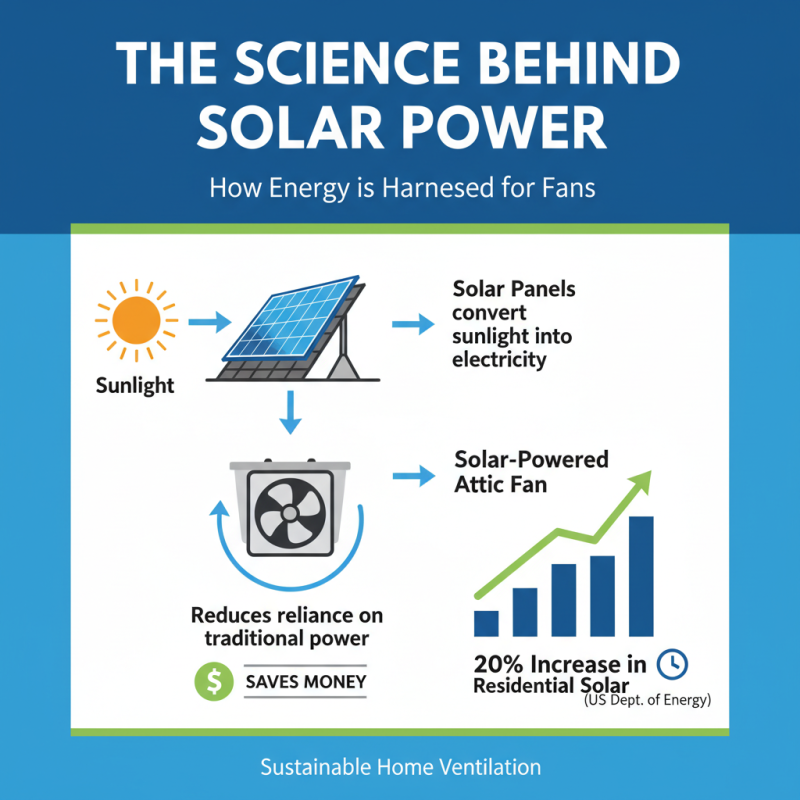
The Science Behind Solar Power: How Energy is Harnessed for Fans
Solar power has transformed how we use energy, especially in home ventilation. A solar powered attic fan harnesses sunlight to generate electricity. This process reduces reliance on traditional power sources, saving homeowners on energy bills. According to the U.S. Department of Energy, residential solar systems have seen a 20% increase in use over the past five years. Such adoption reflects a growing awareness of sustainable energy solutions.
The technology operates through photovoltaic (PV) cells. These cells capture sunlight and convert it into direct current (DC) electricity. This electricity powers the fan, effectively moving hot, stale air out of the attic. A study from the National Renewable Energy Laboratory confirms that proper attic ventilation can lower indoor temperatures by up to 15 degrees. This cooling effect reduces the need for air conditioning.
However, challenges remain. Not all roofs receive equal sunlight throughout the year. Some areas may experience lower energy generation, impacting overall effectiveness. Homeowners should consider their location and weather patterns before installation. Understanding this technology requires ongoing research and adaptation to find the best solutions for unique home environments.
Benefits of Using Solar Powered Attic Fans in Energy Efficiency
Solar powered attic fans offer numerous benefits for enhancing energy efficiency. They serve as effective ventilation solutions, helping to regulate attic temperatures. According to the Department of Energy, attics can reach temperatures of up to 150°F in the summer. This extreme heat can lead to increased energy costs due to elevated air conditioning usage. By employing a solar powered attic fan, homeowners can significantly reduce their reliance on air conditioning systems.
Notably, these fans operate independently of the electrical grid. They utilize solar panels to harness sunlight, producing energy for quiet, efficient airflow. Studies indicate that proper attic ventilation can reduce cooling costs by 20% or more. This translates to numerous savings over time. Additionally, a well-ventilated attic helps maintain the integrity of roofing materials, reducing long-term repair costs associated with heat damage.
While solar powered attic fans are beneficial, it's crucial to consider proper installation and placement. Improperly placed fans may lead to insufficient airflow, negating potential benefits. This highlights the importance of professional advice in selecting the right unit and location. As energy efficiency becomes increasingly paramount, solar powered attic fans present a viable option for sustainable cooling solutions.
Installation and Maintenance Considerations for Optimal Performance
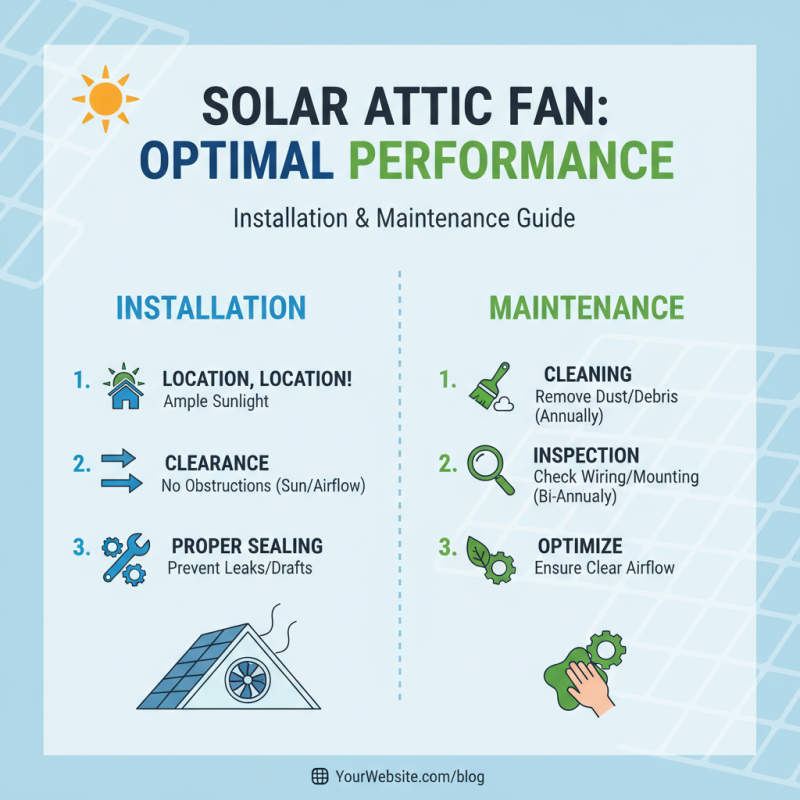
Installing a solar-powered attic fan requires careful planning and attention to detail. Begin by selecting the right location in your attic. Aim for an area that gets ample sunlight during the day. This positioning maximizes the fan's efficiency. Ensure it's away from obstructions that may block sunlight or airflow.
When you set it up, follow the provided instructions closely. Make sure you secure the fan properly to prevent vibrations and noise. Regular maintenance is essential for optimal performance. Clean the solar panel occasionally to remove dust and debris. This simple task enhances energy absorption.
Inspect the fan's motor and blades routinely. Look for wear and tear that may affect functionality. If you notice any issues, address them sooner rather than later. It’s easy to overlook these checks, but neglect can lead to reduced efficiency. Keeping a maintenance schedule helps you stay on top of these responsibilities.