Why Do You Need an Ev Charger for Your Car?
As electric vehicles (EVs) gain traction, the importance of an Ev Charger Car cannot be overstated. According to recent market analysis by the International Energy Agency (IEA), the global EV stock surpassed 10 million units in 2020. This number is projected to grow significantly in the coming years. However, the lack of accessible charging infrastructure can hinder this growth.
Installing an EV charger at home is a crucial step for EV owners. It not only provides convenience but also contributes to energy savings. The U.S. Department of Energy reports that home charging can save owners between $800 to $1,200 annually compared to traditional fuels. Despite this, many potential buyers hesitate, fearing they might not find charging options when away from home.
Challenges in charging infrastructure remain, particularly in rural regions. This can be a deterrent for those considering a switch to electric. Reflecting on this issue, it’s vital to enhance awareness about the benefits of having an EV charger car and to advocate for better charging solutions.
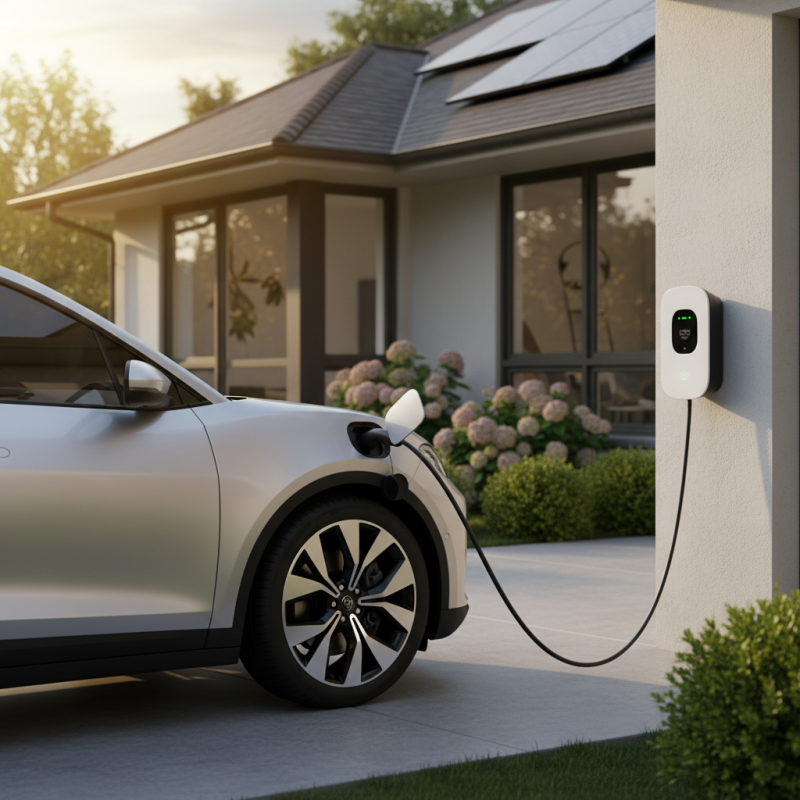
Understanding the Basics of Electric Vehicle Charging
Understanding the basics of electric vehicle charging is crucial for any EV owner. Charging stations have different types, mainly Level 1 and Level 2 chargers. Level 1 chargers use a standard household outlet. This is slow but convenient for overnight charging. Level 2 chargers are faster and require a dedicated circuit. Many public charging stations offer this option.
Not all charging equipment is created equal. Some may not work perfectly with your vehicle. You might face compatibility issues. Sometimes, an outlet is too far from your parking space, making it difficult to charge. This is where planning comes in. You will need to find nearby stations that meet your needs. A lack of access can lead to frustration.
Charging habits also play a role. Some people forget to charge overnight. Others might rely too heavily on public stations. This can cause anxiety about running out of battery. Therefore, having a home charger reduces stress and saves time. You get to charge when it suits you. But setting it up can be tricky if you're not tech-savvy.
Types of EV Chargers: Level 1, Level 2, and DC Fast Charging
When it comes to charging your electric vehicle (EV), understanding the types of chargers available is essential. There are three main types: Level 1, Level 2, and DC Fast Charging. Each serves different needs and situations.
Level 1 chargers use a standard household outlet. They are convenient but slow, typically adding about 4-5 miles of range per hour. This might be fine for some drivers, but it can feel frustrating for those with longer commutes. It's a good option for overnight charging at home, yet not ideal for daily quick top-ups.
Level 2 chargers are more common in public spaces. They require a specialized installation but can deliver around 25 miles of range in just an hour. They can significantly reduce waiting times. However, installation costs can be high.
Finally, DC Fast Chargers are the quickest option, providing an 80% charge in about 30 minutes. They are perfect for road trips but are less common in residential areas. Each type has its pros and cons. Choosing the right one requires careful consideration based on your lifestyle and charging habits.
Benefits of Installing a Home EV Charger
Installing a home EV charger can significantly enhance your electric vehicle experience. With a dedicated charger at home, the convenience of charging your car whenever you need is undeniable. Imagine returning home after a long day and plugging in your vehicle. No more trips to public charging stations. You save time and effort, allowing you to focus on other tasks.
Moreover, having a home charger can save you money in the long run. Many utility companies offer lower rates for nighttime charging. This can lower your electricity bill. Additionally, you might qualify for incentives or rebates for installing an EV charger. Not all home chargers are equal, though. It’s crucial to ensure compatibility with your specific vehicle and the electrical capacity of your home.
Another point to consider is the potential for added home value. As electric vehicles become more mainstream, having an EV charger may attract potential buyers. They see your home as modern and energy-efficient. However, upfront installation costs can be a hurdle. Evaluating your options and costs carefully is essential before committing. The benefits are clear, but being informed helps you make the best decision for your needs.
Cost Considerations for EV Chargers and Installation
When considering an EV charger, it’s vital to think about costs. The initial price of the charger can vary significantly. Some chargers are affordable. Others can be quite expensive. Installation also adds to the overall cost. Professional installation is often required. This may range from a few hundred to over a thousand dollars.
Hidden costs can be an issue too. You might need electrical upgrades. Your home’s wiring may not support a high-capacity charger. This could involve extra expenses. Some people overlook these factors. It’s essential to plan for unexpected costs.
Energy rates also impact long-term costs. Charging during peak hours might be pricier. Consider time-of-use rates offered by utilities. Some homeowners install timers to manage this. It’s an important step. Reflect on your driving habits and charging needs. Each choice affects your overall investment in EV charging.
Environmental Impact of Using an EV Charger for Sustainable Driving
The environmental impact of using an EV charger is significant. Transitioning to electric vehicles (EVs) helps reduce greenhouse gas emissions. According to the U.S. Department of Energy, EVs produce, on average, 50% fewer emissions than gasoline vehicles over their lifetime. This is crucial in combatting climate change.
Charging at home with renewable energy sources amplifies these benefits. If your electricity comes from solar or wind, the carbon footprint shrinks even more. A recent report showed that homes with solar installations can offset their vehicle's emissions completely. This shift is essential for sustainable driving.
Tip: Consider installing a smart charger. It can optimize charging times for energy savings and eco-friendliness.
Though EVs are greener, some concerns remain. The production and disposal of batteries pose environmental challenges. Recycling technologies are improving, but they are not perfect. Awareness of this issue can drive better practices in the industry.
Tip: Stay informed about local recycling programs for EV batteries. It helps in making sustainable choices.
The path to sustainable driving is complex. Every charge counts, but challenges require ongoing commitment. Adopting EVs with thoughtful charging strategies can significantly enhance their environmental benefits.