- Spanish-Latin America
- Japanese-JP
- Chinese
- Europe
- Português-BR

Tech Support
(888) 598-9901
Hours: Mon-Fri 8AM-8PM EST
nep-usa@site_ea168614-f5f4-4298-bd5b-880b4cf8d99d
Top Butterfly Valve Manufacturers and Suppliers?
Choosing among the top butterfly valve manufacturers and suppliers requires more than comparing catalog prices. A valve may look identical on a product page, yet differ in disc finish, seat material, torque performance, and testing records. These details become critical when a pipeline handles chilled water, corrosive chemicals, steam, or abrasive slurry.
MarketsandMarkets reported that the global butterfly valves market could grow from approximately USD 8.2 billion in 2023 to USD 10.9 billion by 2028, representing a compound annual growth rate of 5.8%. This expansion reflects continued investment in water treatment, energy infrastructure, chemical processing, and industrial automation. Grand View Research also identifies industrial replacement demand and infrastructure development as important market drivers. The numbers are useful, but forecasts are not guarantees.
A credible manufacturer should demonstrate compliance with recognized requirements, including API 609, ISO 5211, EN 593, and relevant pressure-testing procedures. Buyers should examine factory test certificates, material traceability, pressure ratings, emission controls, and after-sales support. A supplier’s experience with resilient-seated, high-performance, and triple-offset butterfly valve designs also matters. So does its ability to provide drawings quickly and maintain spare-parts availability.
This guide evaluates leading manufacturers and suppliers through product quality, engineering depth, certifications, delivery capability, and documented customer support. No ranking is perfect. Regional strengths can distort global comparisons, while online claims sometimes lack independent verification. For that reason, procurement teams should validate technical data directly, request samples when practical, and compare total lifecycle cost rather than purchase price alone. A cheaper valve can become expensive when leakage, downtime, or difficult maintenance appears later.
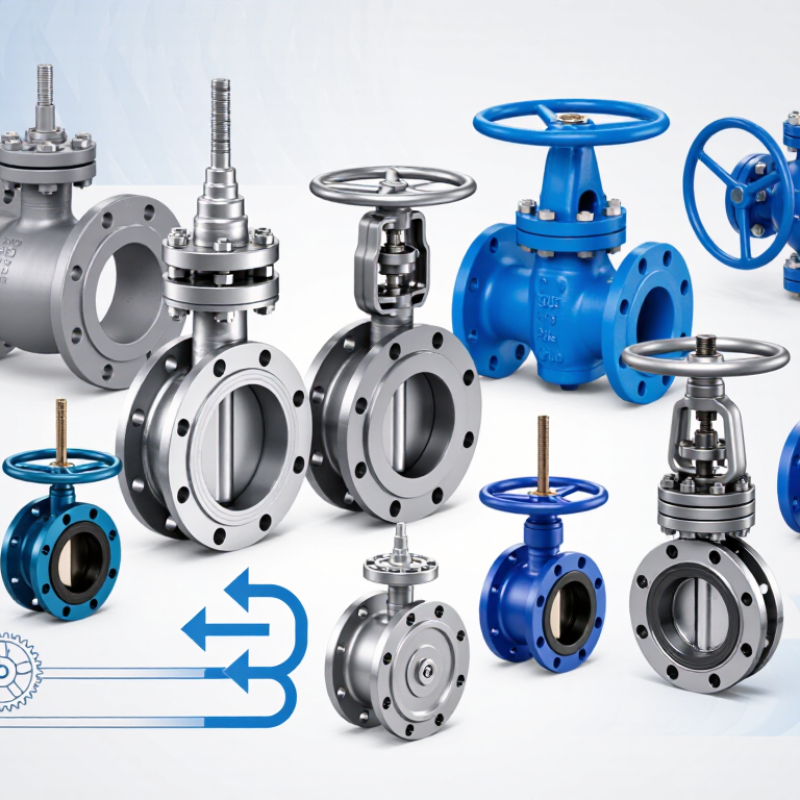
What Is a Butterfly Valve and How Does It Work?
Top Butterfly Valve Manufacturers and Suppliers?
A butterfly valve controls fluid flow with a circular disc mounted inside a pipe. The disc rotates around a central stem, usually through 90 degrees. When the disc faces the flow, the passage is open. When it turns across the passage, flow decreases or stops.
Simple movement. Reliable control.
During field inspections, technicians often check the disc edge, stem seal, and seat condition. A damaged seat may cause leakage even when the handle appears fully closed. The valve body can use resilient, lined, or metal-seated materials. Each option suits different temperatures, pressures, and fluid conditions. Manual handles work well on smaller lines, while pneumatic or electric actuators support remote operation. Incorrect actuator sizing can create slow movement or unnecessary stress.
Manufacturers and suppliers should provide pressure ratings, material certificates, torque data, and clear installation instructions. They should also explain testing procedures instead of offering vague performance claims. Face-to-face dimensions matter when replacing an existing valve. A small mismatch can delay installation. I have found that real operating conditions deserve more attention than a catalogue photograph. Flow speed, suspended particles, temperature changes, and frequent cycling all affect service life. Butterfly valves are efficient, but they are not suitable for every throttling application. Continuous partial opening may increase wear, vibration, or erosion. That detail is easy to overlook.
Get in touch
Our mission is to develop cutting-edge clean energy technology and provide next-generation solar inverters.
Phone
(888) 598-9901
nep-usa@site_ea168614-f5f4-4298-bd5b-880b4cf8d99d
