We use our own and third-party cookies to improve our services. If you continue browsing, we will consider that you accept this use. Read More

OK

English-US
  • Spanish-Latin America
  • Japanese-JP
  • Chinese
  • Europe
  • Português-BR

Tech Support

(888) 598-9901
Hours: Mon-Fri 8AM-8PM EST

E-mail

nep-usa@site_ea168614-f5f4-4298-bd5b-880b4cf8d99d

How to Choose a High Power Electric Motorcycle

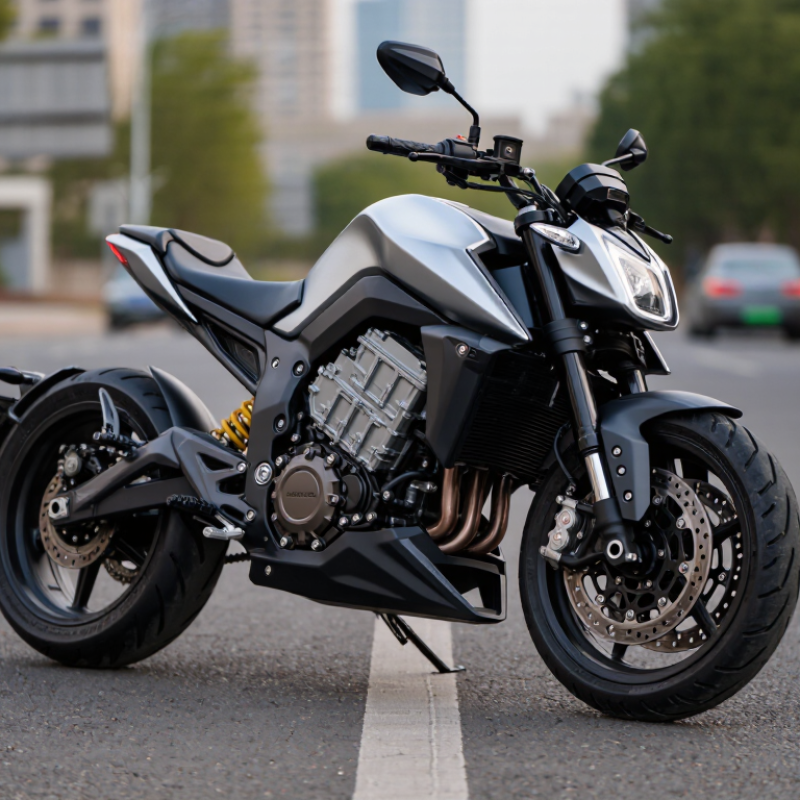
Choosing a High Power Electric Motorcycle requires more than comparing peak watts or advertised top speed. A powerful motor can feel impressive on an open road, yet it may become difficult in traffic, tight corners, or wet conditions. Battery capacity, motor cooling, braking performance, suspension quality, and rider ergonomics deserve equal attention. The best decision connects performance with daily riding habits.

Erik Buell, founder of Buell Motorcycle Company, has said, “The electric motorcycle is the future of motorcycling.” His view reflects an important change in the industry. Electric motorcycles now offer immediate torque, quiet operation, and fewer routine mechanical components. However, future-focused technology still needs careful evaluation. Check the battery warranty, charging time, real-world range, thermal management, and availability of qualified service. A bright display cannot compensate for weak support.

Think about your actual route. A 40-mile commute with hills and cold weather can demand more battery than laboratory figures suggest. Carrying a passenger or luggage changes acceleration and range. Test the riding position for at least twenty minutes. Notice wrist pressure, seat support, mirror visibility, and low-speed balance.

There is no perfect specification sheet.

Some buyers may choose excessive power and rarely use it. Others may underestimate charging limitations at home. I have found that honest self-assessment is often more useful than chasing the highest number. This guide will examine motor output, battery design, safety equipment, ownership costs, and practical comfort. The goal is not simply to find the fastest High Power Electric Motorcycle, but the one you can control, charge, maintain, and trust.
How to Choose a High Power Electric Motorcycle

Define Your Performance Needs and Riding Environment

How to Choose a High Power Electric Motorcycle

Define Your Performance Needs and Riding Environment

High power should match your real riding, not only a specification sheet. A 15 kW motor may feel excessive in city traffic but useful on steep rural roads. Consider acceleration, climbing ability, cruising speed, and passenger weight. Daily commuting needs smooth response and predictable range. Track-style riding demands stronger cooling and stable power delivery. The IEA’s Global EV Outlook 2024 identifies electric two- and three-wheelers as one of the world’s most electrified road segments, with sales penetration above 50% in China. This growth also shows why use conditions matter more than headline power.

Your environment changes performance quickly. Frequent hills, strong wind, rough roads, and cold weather increase energy consumption. AAA testing found that electric vehicle range dropped by about 41% at 20°F (-6.7°C), although motorcycle results will vary. A smaller battery can lose practical range faster during hard acceleration. Charging access matters too. A powerful motorcycle is inconvenient if your apartment has no safe charging point. I once underestimated steep wet roads; the bike felt capable, but traction control intervened more often than expected. That mistake changed my buying checklist.

Tips: Compare usable battery capacity, not only advertised capacity. Test the motorcycle uphill with your expected load. Check continuous power, cooling, tire grip, and braking hardware. Leave a 20% range margin for weather and detours. Do not trust one test ride. Real traffic is messier.

Compare Motor Power, Battery Capacity, and Real-World Range

Choosing a high-power electric motorcycle requires more than reading the peak motor rating. A 12 kW motor can deliver strong acceleration, but it may consume energy quickly during hill climbs or highway riding. Battery capacity matters more for distance. A 10 kWh pack, using 100 Wh per kilometer, suggests 100 kilometers theoretically. Real riding may produce 70–85 kilometers after wind, traffic, tire pressure, and reserve energy. That estimate is imperfect, but it is more useful than a laboratory headline.

The IEA’s Global EV Outlook 2024 reports that electric two- and three-wheelers represented more than half of global electric vehicle sales in 2023. This growing market makes efficiency increasingly important. BloombergNEF’s 2024 Battery Price Survey recorded an average lithium-ion pack price of 115 dollars per kWh, showing why larger batteries still add meaningful cost and weight.

Cold conditions can also reduce range. U.S. Department of Energy testing guidance indicates that low temperatures may cut electric vehicle range by about 32 percent. Motorcycle results vary, especially without enclosed cabins. I would compare usable battery capacity, not only gross capacity, and check independent road tests at steady highway speeds. Claimed range looks clean. Real roads are not.

Evaluate Frame Design, Suspension, Brakes, and Rider Safety

How to Choose a High Power Electric Motorcycle

A high-power electric motorcycle needs a frame that feels controlled, not merely strong. Check welds, steering alignment, and the finish around mounting points. Sit on the motorcycle with both feet near the ground. A low, centered battery can improve balance during slow turns. However, a heavy frame may become tiring in traffic or during parking. That trade-off is easy to miss.

Suspension should match your weight, roads, and riding habits. Push down on the front and rear suspension. It should move smoothly and return without bouncing repeatedly. Adjustable preload helps when carrying luggage, but complicated settings can confuse new riders. I would rather choose usable adjustment than impressive numbers. Inspect fork seals and rear linkage for leaks, looseness, or unusual noise.

Brakes deserve a careful test. Look for strong initial bite, steady lever pressure, and predictable stopping. Independent front and rear controls can help riders correct mistakes. Anti-lock braking may improve control on wet pavement, where sudden input causes trouble.

Test the brake lights, tires, mirrors, horn, and headlamp before riding. Wear certified protective equipment, secure footwear, gloves, and eye protection. Practice emergency braking in a legal, empty area.

Do not assume electronic assistance will fix poor judgment. Some riders, including me, can focus too much on acceleration and overlook fatigue. Check the owner’s manual, follow local road rules, and keep both hands ready for unexpected traffic.

Check Charging Options, Maintenance Needs, and Legal Requirements

Choosing a high-power electric motorcycle starts with its charging reality, not its advertised acceleration. The International Energy Agency reported over four million public charging points worldwide in 2023, but most serve cars. A motorcycle may need an accessible outlet, compatible connector, and weather-safe parking. Check the battery’s usable capacity, charging time, and peak input. A 15-minute charge sounds impressive until the required high-output station is unavailable. I would always test the route, not just the charger.

Maintenance is quieter, but it is not maintenance-free. Inspect tires, brake pads, suspension, cables, cooling systems, and battery seals regularly. Regenerative braking can reduce pad wear, while higher weight and instant torque may increase tire stress. Research published in Nature Energy found that temperature and fast charging can accelerate battery aging. The study focused on electric vehicles, so motorcycle results may differ. That limitation matters. Keep service records and ask for battery-health measurements before buying used.

Legal requirements deserve equal attention. In the European Union, high-power motorcycles generally fall under the L3e type-approval framework, while UNECE Regulation No. 136 addresses electric powertrain safety. Local rules may require registration, insurance, a motorcycle licence, approved lighting, and certified protective equipment. Helmet standards also vary by jurisdiction. Confirm the exact power classification with your transport authority. A model that is road-legal in one region may need different equipment elsewhere. I would leave extra time for paperwork; online listings are often incomplete.

How to Choose a High Power Electric Motorcycle - Check Charging Options, Maintenance Needs, and Legal Requirements
Selection Dimension Typical Specification or Requirement What to Check Before Buying Practical Impact
Continuous Motor Power Approximately 5–15 kW for many high-power electric motorcycles; peak output can be substantially higher. Confirm whether the published figure is continuous power, peak power, or both. Review the motor controller's thermal limits. Continuous power is a better indicator of sustained acceleration, hill climbing, and highway performance than peak power alone.
Battery Capacity Commonly about 8–20 kWh in performance-oriented electric motorcycles. Compare usable capacity with total capacity, and check the battery warranty, thermal-management system, and replacement cost. A larger battery generally supports longer trips but adds weight, purchase cost, and charging time.
Real-World Range Often about 100–250 km per charge, depending on speed, temperature, rider weight, terrain, and traffic. Look for range figures tested at different speeds rather than relying only on a single laboratory or city-cycle number. High-speed riding and cold weather can reduce achievable range considerably compared with gentle urban riding.
Home Charging A standard household outlet may deliver roughly 1.5–3 kW, while a dedicated AC circuit can support higher power where permitted. Check the motorcycle's onboard charger rating, plug type, circuit capacity, grounding, and whether outdoor charging is weather-protected. Home charging is convenient for overnight use, but a large battery may require several hours to recharge from empty.
Public AC Charging AC charging can commonly range from about 3–7 kW, subject to the vehicle's onboard charger and the charging station. Verify connector compatibility, station availability along regular routes, charging-network access, and applicable usage fees. Public AC charging is useful for workplace or destination charging but is usually slower than high-power DC charging.
DC Fast Charging Some high-power models accept approximately 20–50 kW or more; many motorcycles do not support DC fast charging. Confirm the actual DC charging standard, maximum input rate, charging curve, thermal restrictions, and whether an optional charging kit is required. DC charging can significantly reduce trip time, but frequent high-power charging may increase battery heat and operating cost.
Charging Time Approximately 3–10 hours on a standard household outlet; about 1–4 hours with a suitable higher-power AC connection; less with compatible DC charging. Calculate charging time using usable battery capacity and actual charging power, not only the manufacturer's best-case estimate. Charging speed should match your daily distance, parking arrangements, and typical time available between rides.
Battery Temperature Control Liquid or forced-air thermal management may be used on higher-performance motorcycles; basic systems may rely mainly on passive cooling. Ask whether the battery has temperature sensors, charging-temperature limits, preconditioning, and protection against overheating. Effective thermal management helps maintain performance, charging speed, safety, and long-term battery durability.
Routine Maintenance Usually fewer engine-related service items than a combustion motorcycle: no engine oil, spark plugs, or exhaust-system servicing. Check the service schedule for brake fluid, brake pads, tires, belt or chain, suspension, coolant, fasteners, and software updates. Maintenance may be simpler, but tires, brakes, suspension components, and drivetrain parts still require regular inspection.
Drivetrain and Braking Many electric motorcycles use a belt or chain drive and regenerative braking combined with hydraulic friction brakes. Inspect belt or chain adjustment, maximum regenerative-braking settings, brake-system specifications, and replacement-part availability. Regeneration can reduce friction-brake wear, but it does not eliminate the need for mechanical brake maintenance.
Weather and Storage Outdoor use depends on the vehicle's ingress-protection rating and the manufacturer's storage instructions. Check charging restrictions in rain, recommended storage temperature, minimum battery charge for long-term storage, and flood protection. Extreme heat, freezing temperatures, and prolonged exposure to moisture can affect charging, range, and battery life.
Vehicle Classification Classification may depend on rated power, maximum speed, engine-equivalent category, or other rules set by the local authority. Confirm the exact legal class using the motorcycle's certification documents and the regulations in the intended registration area. Classification can determine licensing, registration, insurance, equipment, road access, and minimum rider age.
Rider Licence A full motorcycle licence or an appropriate restricted licence may be required for high-power or high-speed models. Check local requirements for licence category, training, theory and practical tests, age limits, and power-to-weight restrictions. Having a car licence alone may not legally authorize operation of a high-power electric motorcycle.
Registration and Insurance Road-legal motorcycles generally require registration, a vehicle identification record, and mandatory liability insurance where applicable. Verify that the vehicle has the required conformity documents, identification number, lighting equipment, mirrors, reflectors, and insurance eligibility. A motorcycle intended only for private land may not be legal or insurable for public-road use.
Safety Equipment Helmet use is widely required; additional protective equipment may be strongly recommended or legally required depending on location. Check helmet certification, visibility requirements, daytime-running lights, indicators, horn, tires, and approved passenger equipment. Correct safety equipment improves protection and helps prevent registration or roadside compliance problems.
Total Cost of Ownership Consider purchase price, home electrical work, charging fees, insurance, tires, brake components, battery warranty, and depreciation. Estimate costs over several years and include potential battery replacement, software support, and specialist servicing. The lowest purchase price may not provide the lowest long-term cost if charging access or service support is limited.
Best Match for Your Use Choose based on daily distance, average speed, passenger or cargo needs, road type, climate, and charging access. Test ride at realistic speeds and confirm that the riding position, weight, acceleration, storage, and range meet your regular requirements. A slightly less powerful motorcycle with dependable charging and service access may be more practical than a higher-output model.
Legal requirements, charging connectors, road classifications, insurance rules, and licence categories vary by country, state, province, and city. Always verify the current requirements with the relevant transport authority before purchase or road use.

Balance Purchase Price, Ownership Costs, and Long-Term Reliability

How to Choose a High Power Electric Motorcycle

Balance Purchase Price, Ownership Costs, and Long-Term Reliability

A high power electric motorcycle can feel thrilling during a short test ride. That feeling is useful, but incomplete. I compare battery capacity, usable range, charging speed, and motor output before checking the price. A larger battery may reduce charging stops, yet it can also increase replacement costs. Ask for measured range data, not only ideal laboratory figures. Real roads include hills, wind, passengers, and cold weather.

Ownership costs deserve a simple twelve-month estimate. Include home charging equipment, electricity, insurance, tires, brake components, and scheduled inspections. Tires can wear quickly under strong acceleration. Battery health also depends on storage temperature and charging habits. I once underestimated installation costs because I focused too heavily on the motorcycle’s advertised price. That mistake was expensive.

Long-term reliability depends on service access and documented engineering. Examine the warranty carefully, especially battery coverage, capacity limits, and labor exclusions. Check whether trained technicians can diagnose the power system locally. Independent inspection records are valuable, particularly for a used motorcycle. Look for clean connectors, even tire wear, stable charging behavior, and a complete maintenance history. A quiet motor is encouraging, but it proves little alone. Software updates can improve performance, though they may introduce unfamiliar problems. Leave room for that uncertainty. A slightly slower model with accessible parts may cost less over five years than a faster model requiring distant specialist service.

Get in touch

Our mission is to develop cutting-edge clean energy technology and provide next-generation solar inverters.

Phone

(888) 598-9901

E-mail

nep-usa@site_ea168614-f5f4-4298-bd5b-880b4cf8d99d