- Spanish-Latin America
- Japanese-JP
- Chinese
- Europe
- Português-BR

Tech Support
(888) 598-9901
Hours: Mon-Fri 8AM-8PM EST
nep-usa@site_ea168614-f5f4-4298-bd5b-880b4cf8d99d
How to Choose the Best Low Noise Fan?
Choosing the best Low Noise Fan means balancing quiet operation with useful airflow, not simply picking the model with the lowest advertised noise rating. A fan rated at 20 dBA may sound different in a small bedroom than in a large, furnished living room. Room size, distance, and background noise all affect what you actually hear.
Check the fan’s noise rating alongside its airflow, often listed in cubic feet per minute (CFM), and compare models at similar speed settings. Manufacturer measurements may use different conditions, so treat small rating differences cautiously. Look for adjustable speeds, a stable base, and a motor designed to reduce vibration. On a desk, even a faint rattle can become distracting. Small details matter.
Think about where and when you will use it. A bedroom fan may need a genuinely quiet low setting, while a workshop or kitchen may call for stronger airflow. Read reviews for recurring comments about humming, clicking, or noise that develops over time. Cleanable grilles and accessible blades can also help maintain performance. I would not assume that a premium price guarantees a quieter fan; specifications and real-world feedback deserve a closer look. There is no perfect answer. The right choice depends on your space, comfort, and tolerance for sound—and those can be harder to measure than a number on a product page.
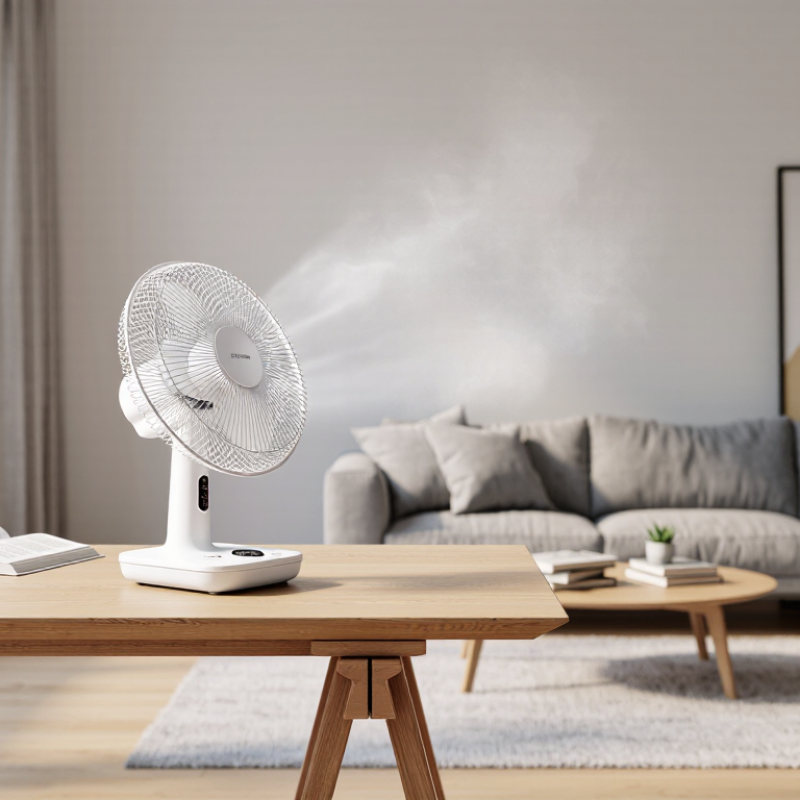
How Low-Noise Fans Work and What Affects Their Sound
A low-noise fan does not simply run quietly by chance. Its motor turns the blades, moving air through and around the housing. Sound can come from motor vibration, turbulent airflow, or parts that are loose or poorly fitted. Higher speeds often move more air, but may also produce a sharper hum or a stronger rushing sound. Quiet operation is a balance. Carefully shaped blades and a stable motor can help reduce unwanted noise, though no fan is completely silent.
The room and installation affect what you hear. A fan resting on a hollow desk may transmit vibration, while dust on the blades can disrupt smooth airflow. Compare sound ratings at similar speeds and airflow levels; a low decibel figure alone does not tell the whole story. Distance and room acoustics matter, too. Listen from where the fan will actually be used. Even then, numbers can feel incomplete: a soft, steady hum may be less distracting than a quieter but uneven buzz. Check that the fan sits securely, and notice whether its sound changes as you adjust the speed.
Get in touch
Our mission is to develop cutting-edge clean energy technology and provide next-generation solar inverters.
Phone
(888) 598-9901
nep-usa@site_ea168614-f5f4-4298-bd5b-880b4cf8d99d
