- Spanish-Latin America
- Japanese-JP
- Chinese
- Europe
- Português-BR

Tech Support
(888) 598-9901
Hours: Mon-Fri 8AM-8PM EST
nep-usa@site_ea168614-f5f4-4298-bd5b-880b4cf8d99d
How to Get the Best UV Lamp Price?
Finding a fair Uv Lamp Price starts with matching the lamp to its intended use. A model designed for curing coatings may not suit inspection, disinfection, or other applications. Compare the required wavelength, output, coverage area, and operating hours before judging a listing. A low price can look attractive, but it may come with limited performance or costly replacement parts. Check the product specifications, warranty, and seller’s support. Small details count. Not just the sticker price. A clear datasheet and consistent product information make comparison more reliable.
To estimate the real cost, include shipping, taxes, replacement bulbs, and any required accessories. Ask suppliers for a written quote that identifies the exact model and included components. Then compare like with like, rather than placing a premium lamp beside a basic one. Reviews can help, but look for specific reports about durability and customer service instead of relying on star ratings alone. If specifications are missing, request them before ordering. That matters. Price tables can still mislead, and even careful research cannot guarantee every unit will perform identically. This guide explains practical ways to compare offers, assess value, and choose a UV lamp that fits your needs and budget without paying for features you will not use.
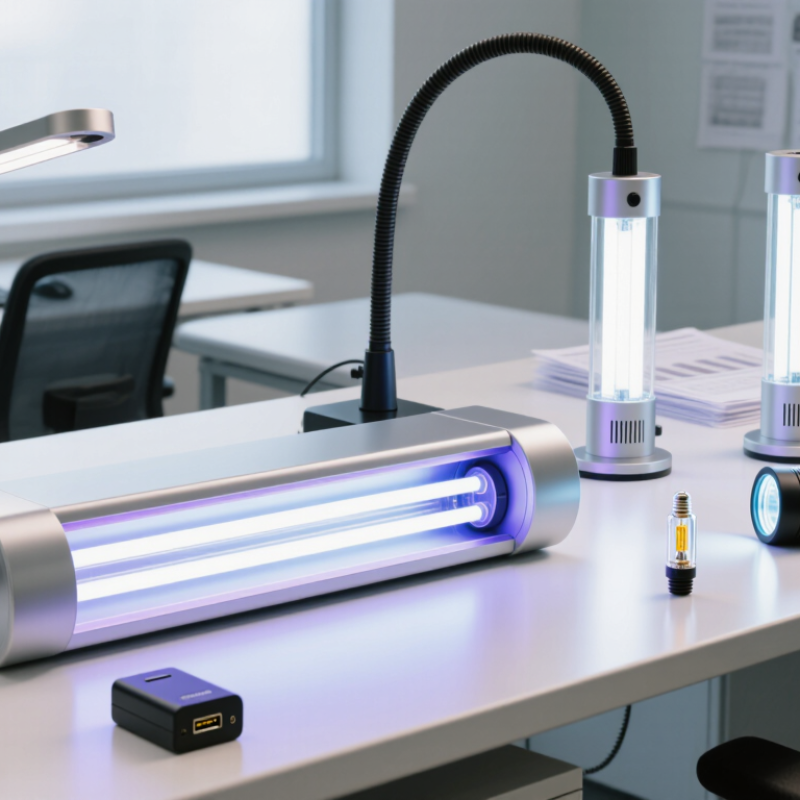
Identify the UV Lamp Type and Its Intended Application
Before comparing prices, identify the UV lamp type your task requires. UV-A lamps are commonly used for fluorescent inspection, resin curing, and some printing processes. UV-C lamps are designed for germicidal applications, while UV-B lamps serve specific research, horticultural, and clinical purposes. These types are not interchangeable.
Match the lamp to the actual job. For curing, check the material’s recommended wavelength and the area that needs even exposure. For inspection, consider beam size, working distance, and whether visible light could interfere. For disinfection equipment, confirm the system’s intended use, output, and exposure controls. A low-cost lamp can become expensive if it cannot deliver the right wavelength or coverage. Small details matter.
Compare more than the sticker price. Look at measured output, rated service life, replacement costs, and the availability of clear technical specifications. Ask whether performance figures describe the lamp alone or the complete device. That distinction can be easy to miss. I would also check how output changes with distance and operating time. Price comparisons are imperfect when sellers report different test conditions, so request comparable data before deciding. Buy for the application, not just the wattage.
Get in touch
Our mission is to develop cutting-edge clean energy technology and provide next-generation solar inverters.
Phone
(888) 598-9901
nep-usa@site_ea168614-f5f4-4298-bd5b-880b4cf8d99d
