Why Are Fixed Energy Deals a Smart Choice for Consumers?
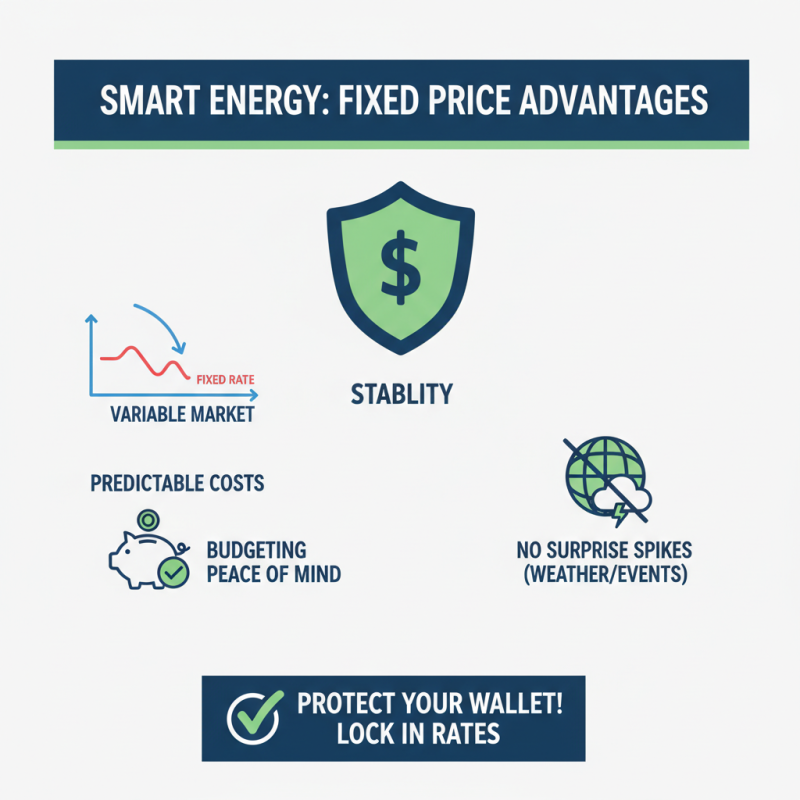
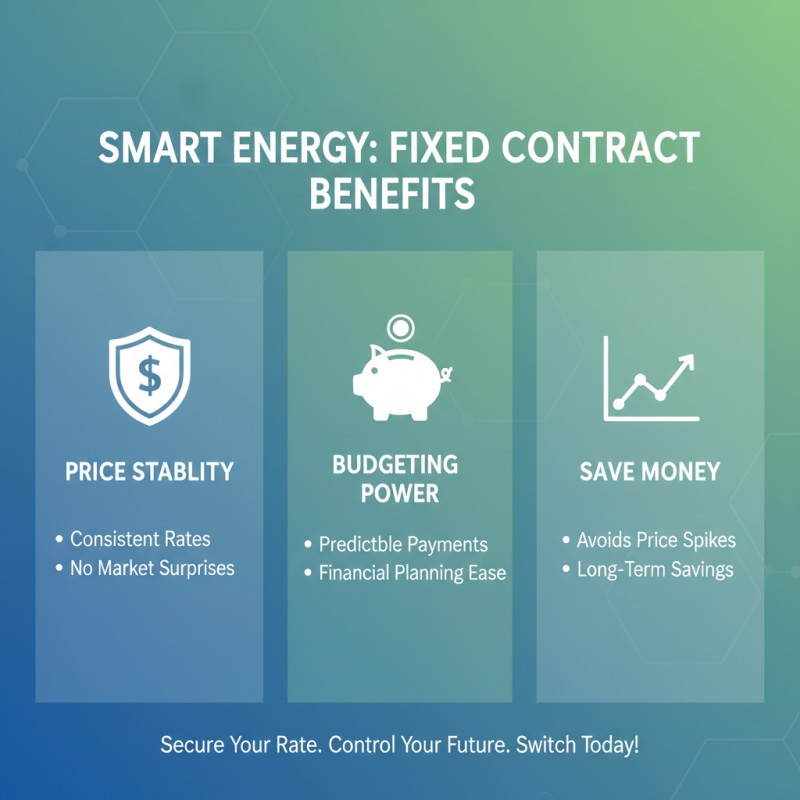
Fixed energy deals are becoming increasingly popular among consumers. These contracts offer price stability and predictable budgeting. Consumers can avoid the fluctuating energy market. According to energy expert Sarah Thompson, “Fixed energy deals provide peace of mind for households.” Her words highlight the importance of certainty in today’s economy.
In a world where energy prices can spike unexpectedly, fixed energy deals act as a safety net. They lock in rates for a set term, preventing sudden increases. Many consumers may feel uncertain about switching plans. Yet, the benefits of fixed contracts often outweigh the initial hesitations.
People often overlook the sense of security these agreements provide. Fixed energy deals can foster better financial planning. However, potential drawbacks exist. Some consumers may hesitate to commit long-term. It’s essential for consumers to weigh these factors carefully. Understanding the trade-offs can lead to more informed decisions. Embracing fixed energy deals could be a wiser choice for many households.
Understanding Fixed Energy Deals and Their Benefits
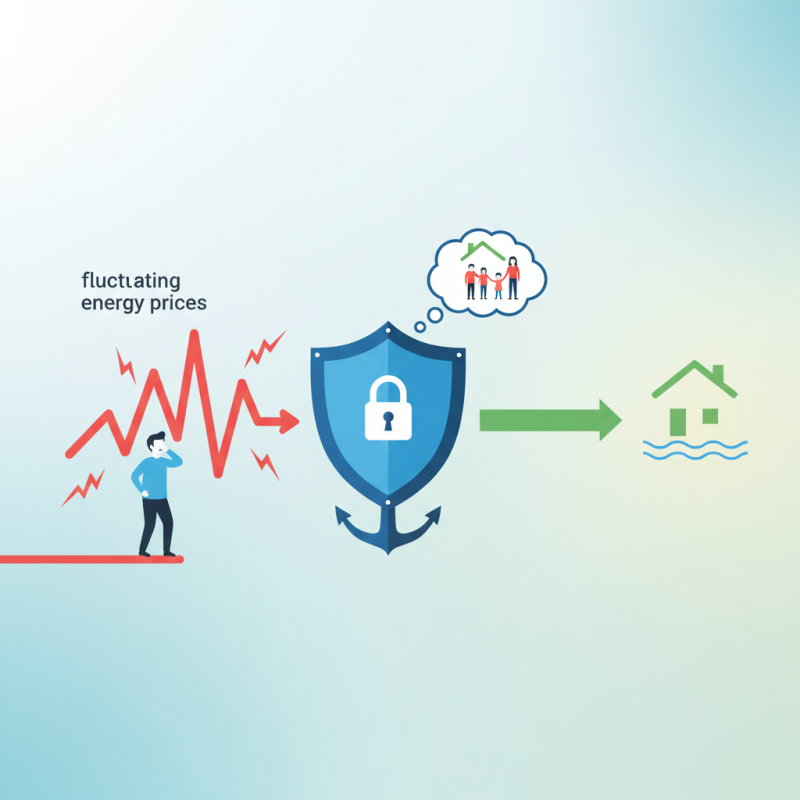
Fixed energy deals provide stability for consumers. They lock in energy prices, protecting against market fluctuations. This can be especially beneficial during unpredictable times. Consumers can budget more effectively when their energy costs are consistent.
Tip: Compare various offers before committing. Not all fixed deals are equal. Look for terms that suit your lifestyle and usage. Sometimes, hidden fees can change the appeal of a deal.
These deals can limit potential savings during price drops. Consumers may miss out if prices fall. It’s crucial to weigh the benefits against the risks. Sometimes, flexibility can be more advantageous. Keeping an eye on market trends helps you make informed choices.
Tip: Consider your energy consumption habits. A fixed deal might not be ideal for everyone. If you tend to use less energy, a variable plan could save money. Always evaluate your needs carefully.
Why Are Fixed Energy Deals a Smart Choice for Consumers?
Dimension
Details
Price Stability
Locked-in rates protect consumers from market fluctuations.
Budgeting
Easier to predict monthly expenses, aiding financial planning.
Long-term Contracts
Contracts typically range from 1 to 5 years, enforcing commitment.
Simplified Choices
Less confusion over changing rates and tariffs.
Switching Flexibility
Options to switch providers after contract term ends without penalty.
Consumer Protection
Often includes provisions that benefit consumers in disputes.
Incentives for Switching
Some providers offer bonuses or discounts for signing up.
How Fixed Energy Prices Shield Consumers from Market Fluctuations
Fixed energy prices offer consumers significant advantages. By locking in rates, consumers can avoid the unpredictable swings of the market. Energy prices can fluctuate due to many factors, including weather and geopolitical events. A fixed rate provides stability in budgeting for monthly bills. This predictability can be invaluable for families and businesses alike.
Many find comfort in knowing what to expect. Fixed rates eliminate anxiety over sudden price hikes. A fixed deal may seem unattractive when prices drop, but the peace of mind is worth it. In unpredictable times, consumers should weigh their options carefully. Change is a constant in the energy market.
Some may wonder if they have made the right choice. They might look back and rethink their decision during low price periods. However, the security that comes with fixed pricing often outweighs those fleeting moments. A well-chosen fixed energy plan can mean greater financial control. It’s a choice that many consumers will benefit from, despite any potential regrets.
The Financial Advantages of Choosing Fixed Energy Contracts
Fixed energy contracts can offer consumers significant financial advantages. One major benefit is price stability. With a fixed rate, your energy costs remain constant. This predictability helps with budgeting and financial planning. In volatile markets, prices can fluctuate wildly. But with a fixed contract, you avoid these surprises, ensuring you pay the same amount each month.
Another advantage is protection against rising costs. Energy prices can soar due to various factors, such as demand spikes or geopolitical tensions. A fixed energy deal locks in your rate, allowing you to ride out price increases. This can lead to considerable savings over time. However, these contracts may have downsides. If market prices drop, you might end up paying more than necessary. Consumers should weigh the benefits carefully. Understanding personal usage patterns is vital before committing to a fixed contract. Do thorough research and ensure it aligns with your financial goals.
Exploring the Long-Term Stability of Fixed Energy Deals
Fixed energy deals provide long-term stability amid market fluctuations. Consumers can lock in rates that protect them from sudden price hikes. According to a recent energy report, locking in a fixed rate can save households up to 20% compared to variable plans. This certainty can lead to better budget management and less financial stress.
Tips: Always compare different fixed rate options. Look for terms that align with your energy usage pattern. Take note of the contract length; longer contracts can limit flexibility.
Market data reveals that energy prices rose by 15% in the last year alone. Fluctuations can catch consumers off guard. A fixed energy deal mitigates this risk, ensuring consistent monthly payments. However, it is crucial to read the fine print. Hidden fees or penalties might exist if you wish to exit the contract early.
Tips: Pay attention to renewal terms. Know the potential rate at the end of your contract. This foresight can help avoid unexpected costs later.
Factors to Consider Before Committing to a Fixed Energy Plan
Choosing a fixed energy plan can offer stability in uncertain times. However, careful consideration is essential before making this commitment. Consumers should look closely at their energy consumption patterns. Some may use more energy in summer or winter. Knowing this can help in selecting the right plan that matches personal usage.
Another critical factor is the length of the contract. Fixed plans may lock you in for a year or more. If energy prices drop, you might miss out on savings. Flexibility can be valuable, especially in unpredictable markets. Consumers should weigh their options and assess their comfort with potential changes in energy costs.
Finally, understanding the terms of the contract is crucial. Hidden fees can surprise you later. Always read the fine print and ask questions. Taking time upfront can save you from regret down the line. With careful planning and awareness, fixed energy deals can be a smart choice for the right consumers.
This bar chart illustrates key factors consumers should consider before committing to a fixed energy plan. The data compares the average costs of fixed and variable energy deals, potential savings, market stability, and consumer satisfaction levels, providing insights into why fixed energy deals are a sound choice.