How to Find the Best Fixed Energy Deals Worldwide?
Finding the best fixed energy deals requires more than choosing the lowest advertised rate. It requires careful comparison, local knowledge, and a realistic view of future prices. A fixed contract may protect households or businesses from sudden market increases, but it can also limit flexibility when prices fall.
Fatih Birol, Executive Director of the International Energy Agency, has often said, “Energy efficiency is the first fuel.” His observation matters here. A cheaper tariff cannot compensate for wasted heating, outdated equipment, or poor insulation. The strongest fixed energy deals combine a competitive unit rate with sensible consumption.
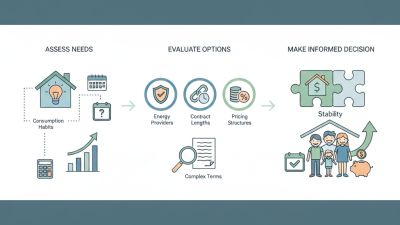
Look beyond the headline price. Check the standing charge, contract length, early-exit fee, payment rules, renewable sourcing, and renewal terms. A two-year offer may feel secure, yet it could become expensive if wholesale prices decline. A twelve-month plan may provide flexibility, but repeated switching can create missed deadlines and administrative stress.
Details matter.
Energy markets differ widely across countries and regions. Taxes, network charges, consumer protections, and price regulations can change the true cost. Always compare the final bill, not only the supplier’s promotional figure. Tools that show monthly usage can reveal whether the offer matches your actual profile.
There is no universally perfect deal. That is uncomfortable, but important. My own first comparison would focus too heavily on the unit rate. A better approach measures total annual cost, contract risk, supplier reliability, and practical energy needs. This guide explores how to assess fixed energy deals worldwide with evidence, caution, and fewer expensive surprises.

Define Fixed Energy Deals and Their Key Pricing Features
How to Find the Best Fixed Energy Deals Worldwide?
A fixed energy deal locks the unit price for an agreed period. Your usage still changes each month. The price does not. This distinction matters. A winter bill can rise because heating demand increases, even when the tariff stays fixed.
Key pricing features include the electricity or gas unit rate, standing charge, contract length, taxes, and exit fees. Some agreements fix only the supply rate. Network charges or government levies may change. Always inspect the full price formula, not just the advertised rate. In practical contract reviews, I compare the estimated annual cost with twelve months of actual meter readings. A low unit rate can hide a costly daily charge. Regional rules also differ, so local regulators and contract documents deserve careful attention.
Tips: Record monthly consumption before comparing offers. Check whether prices vary by time of day. Ask how renewable surcharges, taxes, and meter fees are treated. Read the renewal clause. Do not assume “fixed” means permanent. It usually ends on a stated date. I have found that the cheapest-looking option sometimes creates the least flexibility. That is worth questioning.
Compare Contract Terms, Rates, and Market Conditions
Finding a fixed energy deal starts with reading the contract, not chasing the lowest advertised rate. Compare the fixed price per kilowatt-hour, standing charges, taxes, and payment conditions. A twelve-month term may offer clarity, while a longer contract can reduce exposure to sudden wholesale increases. Yet early-exit fees, renewal clauses, and estimated-meter billing can change the real cost. Ask how corrections are handled when actual readings arrive. Small print matters.
Rates should be judged against local market conditions. Wholesale prices, seasonal demand, fuel availability, grid constraints, and currency movements can influence offers across countries. A fixed tariff protects your budget from some changes, but it may exclude falling market prices. Check when the rate is set and whether regulated charges remain variable. Compare at least three written offers using the same annual consumption estimate. My own comparison habit is imperfect. I once focused on the unit rate and underestimated the standing charge. That mistake made a “cheap” offer less attractive.
Tips: Record your latest meter reading before switching. Calculate total annual cost, not just monthly payments. Confirm contract length, notice periods, deposit rules, and dispute procedures. Keep the offer and contract together. If assumptions are unclear, request written answers. A careful pause can prevent an expensive surprise. Do not assume fixed means fully predictable; taxes and network charges may still change.
How to Find the Best Fixed Energy Deals Worldwide?
Compare contract terms, rates, and market conditions using 2024 household electricity price benchmarks.
The chart compares rounded average household electricity prices in USD per kWh, including taxes where reported. A lower market benchmark does not automatically mean a better fixed deal: check the contract length, early termination fees, standing charges, renewable-energy conditions, and the outlook for wholesale prices before signing.
Data basis: publicly reported 2024 national household electricity tariff averages, rounded for comparison. Rates vary by city, consumption level, tariff structure, taxes, and exchange rates.
Evaluate Suppliers, Coverage Areas, and Customer Protections
A fixed energy deal is only useful when its supplier, coverage, and protections match your actual location.
The IEA’s Electricity 2024 report expects global electricity demand to rise by about 4% in 2024 and 2025. That growth can increase pressure on local networks. Check whether the supplier serves your exact postcode, meter type, and property class. A national website does not guarantee local availability.
Compare the supplier’s financial strength, complaint process, and billing accuracy. The Energy Institute’s Statistical Review of World Energy 2024 recorded another year of high energy-market volatility. A fixed rate can reduce price uncertainty, but it may not freeze taxes, network fees, or emergency charges. Read every adjustment clause. Ask for the complete unit price, standing charge, contract length, renewal terms, and early-exit cost. Small print matters more than a bright headline.
Customer protection should be tested before signing. Review rules for estimated bills, faulty meters, payment disputes, service interruptions, and refunds.
In Europe, ACER’s 2024 market monitoring work highlights persistent differences in retail prices and consumer conditions between countries. Similar differences exist worldwide. I once focused only on the cheapest advertised rate. That shortcut was wrong. Now, I save the contract, tariff sheet, and support contacts offline. Keep proof. Also check whether independent dispute resolution is available in your area. A supplier may appear reliable, yet its protection process can be slow or unclear. That deserves more weight than a small introductory discount.
Calculate Total Costs, Savings, and Potential Contract Risks
A fixed energy deal can look reassuring, but its headline rate rarely shows the complete bill. Calculate expected use by month, then multiply each period by the fixed unit price. Add standing charges, network fees, taxes, renewable certificates, and currency conversion costs. In some markets, these charges remain variable. Small fees matter.
Compare the offer with your actual invoices, not a standard consumption estimate. Use at least twelve months of meter data, including winter peaks and unusual production periods. A realistic calculation should show the annual cost, monthly cash flow, and savings against your current agreement. Test three scenarios: normal use, 15% lower use, and 15% higher use. The spreadsheet may still be wrong.
Contract risk deserves equal attention. Check volume bands, minimum purchase clauses, early termination fees, automatic renewal, payment deadlines, and credit requirements. Ask whether “fixed” excludes taxes, grid charges, or regulatory adjustments. Confirm the governing law, dispute process, force majeure wording, and currency used for settlement. A written quote should explain every pass-through cost in plain language. Independent review can expose hidden exposure, especially across borders. Read every clause. Even careful buyers can miss a single renewal date or underestimate exchange-rate movement. That weakness should be recorded before signing, not discovered after the first unexpected invoice.
Choose, Negotiate, and Secure the Most Suitable Energy Plan
Finding a fixed energy deal starts with your actual usage, not an advertised rate.
Review twelve months of bills, noting winter peaks, vacant periods, and unusual spikes. A low unit price may hide standing charges, exit fees, or costly payment conditions. Ask for a complete written quote. It should show the fixed term, estimated annual cost, taxes, and renewal process. Compare offers using your own consumption profile. Generic estimates can mislead.
Negotiation remains possible, even when providers present standard contracts.
Request a clear breakdown of network charges and administrative fees. Ask whether the rate changes after a missed payment or late meter reading. If your premises use energy during quieter hours, mention that evidence. Suppliers may adjust terms when risk is easier to assess. Do not promise volume you cannot deliver. That mistake becomes expensive. Check response times, complaint procedures, and local contract rules before signing. Independent consumer or energy-regulator guidance can clarify unfamiliar clauses.
Secure the plan only after checking the start date and meter details.
Save the quote, contract version, and negotiation emails in one folder. Confirm how renewable claims are measured, rather than trusting vague language. A fixed price protects against market movements, but it cannot guarantee a lower bill. I would leave room for doubt: forecasts, taxes, and usage can change. If a clause remains unclear, request plain wording or professional advice. A few careful questions now can prevent months of avoidable cost.