10 Essential Tips for Choosing Fixed Energy Deals Wisely
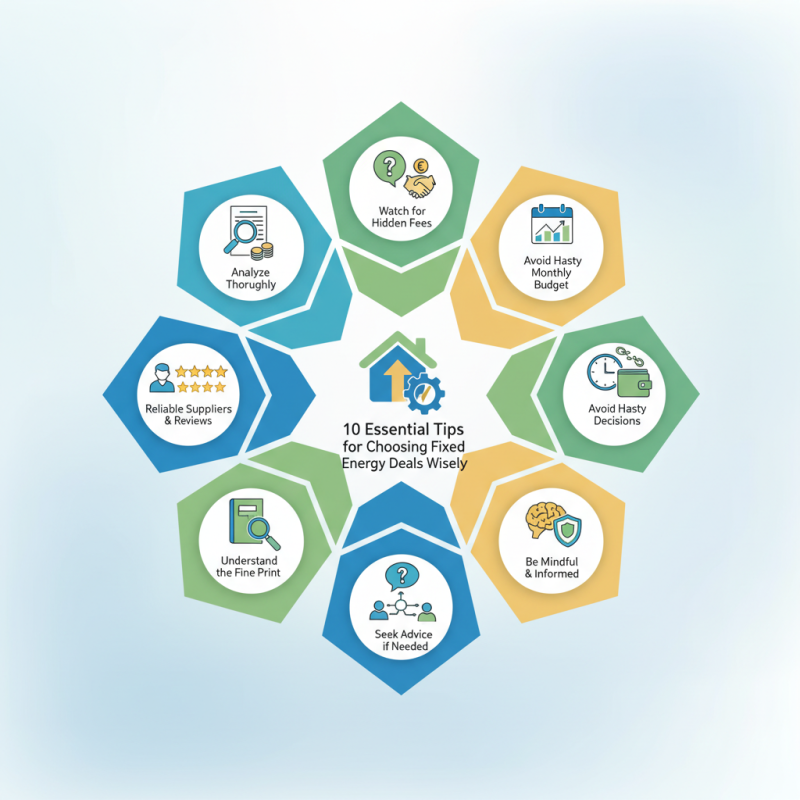
Choosing fixed energy deals can be a daunting task. Many people overlook essential details that can lead to unintended costs. These deals offer price stability, but not all fixed energy deals are equal.
When considering these agreements, it is crucial to analyze their terms thoroughly. A seemingly low price might hide hidden fees or unfavorable conditions. Look for reliable suppliers with positive customer reviews. Take time to compare different offers and understand the fine print before signing.
Your energy choices directly affect your monthly budget. A hasty decision can lead to regrets later. Explore options and seek advice if needed. It's essential to be mindful and informed to secure the best fixed energy deal for your needs.
Understanding Fixed Energy Deals and Their Benefits
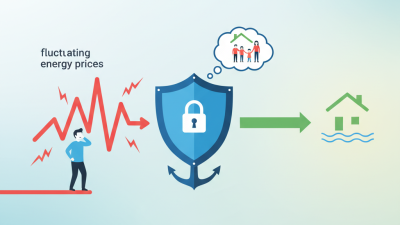
Fixed energy deals can offer significant benefits. They lock in a specific rate, shielding you from fluctuations in energy prices. This stability helps in budgeting. When the market is volatile, a fixed deal provides peace of mind. You know what you will pay for the next year or more.
Understanding these deals is crucial. However, not all fixed deals are created equal. Some come with hidden fees. Read the fine print carefully. There may be penalties for early termination. These details can impact your overall savings. It’s essential to weigh the pros and cons.
Many choose fixed energy deals for security. Yet, it’s easy to overlook potential risks. The fixed rate might not always be lower than variable ones. You may miss out on better offers. Regularly assess your energy usage. This helps in making informed choices. Be ready to switch if needed. Stay informed and reflective.
Evaluating Your Energy Usage for Better Deal Selection
Understanding your energy usage is crucial when selecting fixed energy deals. It can be overwhelming, but breaking it down can help. According to a recent report from the Energy Saving Trust, nearly 40% of homes underestimate their energy consumption. This often leads to paying more than necessary.
Start by analyzing your monthly bills. Look for patterns in your usage. For instance, heating and cooling can account for 50% of your energy costs. If you live in a warmer climate, you might be using more energy for air conditioning than you think. Small habits, like adjusting your thermostat or unplugging devices, can slightly lower your usage.
Tools like energy monitoring devices can provide valuable insights. They help identify which appliances consume the most energy. A 2022 study found that 60% of homeowners who used these tools reported better understanding of their energy consumption. However, not everyone takes advantage of these resources. Reflect on your energy habits before locking in a deal. The right approach can save you real money.
Researching Energy Providers and Their Offerings
When researching energy providers, focus on their offerings and customer reviews. Start by checking online platforms that compare different tariffs. These platforms often break down the prices, terms, and additional features. Understanding the nuances helps in making an informed decision.
Consider the duration of the contracts. Some fixed deals are for one year, while others extend for multiple years. If you choose a longer term, reflect on potential changes in your energy needs. Make sure the contract aligns with your lifestyle. Keep in mind that what's good today may not be tomorrow.
Look closely at cancellation fees. Some companies impose steep charges if you break a contract early. This can trap you in a deal that no longer suits your needs. Talk to your friends or family about their experiences. Real stories often reveal hidden truths that online reviews might miss. Trust your instincts when something feels off.
Comparing Contract Terms and Conditions Effectively
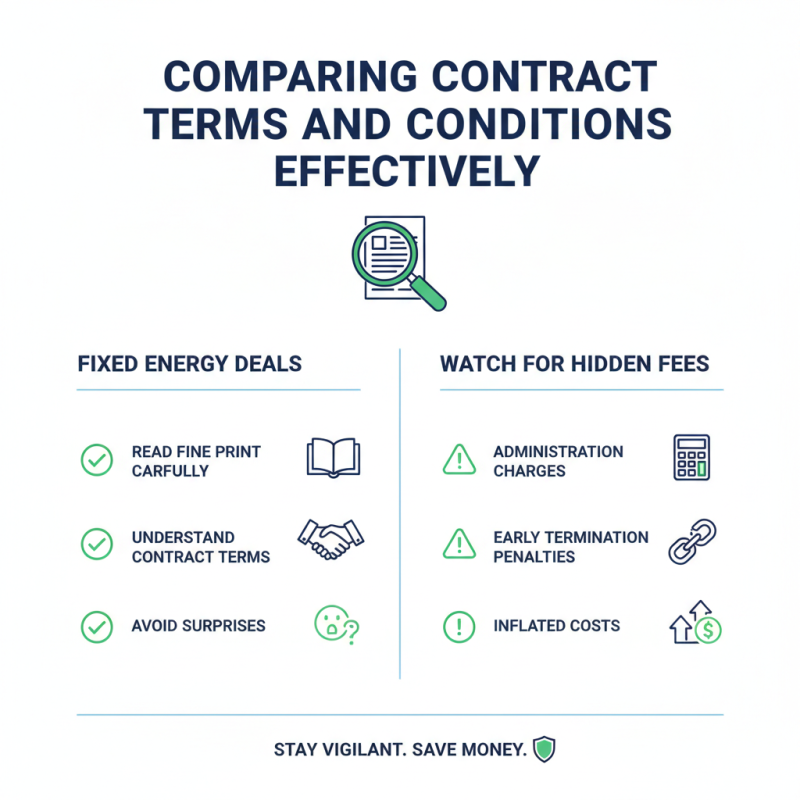
When it comes to choosing fixed energy deals, understanding contract terms is crucial. Take time to read fine print carefully. Look for hidden fees that can inflate costs. These fees often appear as “administration charges” or “early termination penalties.” They can take you by surprise if you’re not vigilant.
Comparing contracts requires an eye for detail. Pay attention to the length of the contract. Shorter contracts can offer flexibility but may have higher rates. Longer ones provide stability but might lock you in at a less favorable rate. Ensure you examine the renewal terms. Some contracts automatically renew unless notified, which can lead to unexpected increases.
It’s also essential to consider customer service. Some companies provide excellent service, while others may leave you frustrated. Check reviews and ratings online. However, remember that experiences vary. What works for one person may not work for another. Verify what happens if you exceed your energy limits. Some may impose additional costs, while others may not. This aspect is often overlooked but can impact your overall satisfaction.
Identifying Hidden Fees and Additional Costs in Fixed Deals
When considering fixed energy deals, it's crucial to look beyond the initial price. Many deals come with hidden fees that can inflate costs. These fees can be for early termination, late payments, or even network charges. You may find yourself paying far more than expected if you don't read the fine print.
One tip is to ask about all potential charges before signing up. Many companies provide a breakdown of costs. Knowing what you might owe could save you from surprises later. Another important point is to calculate the total cost over the entire term. Sometimes, a seemingly lower monthly payment can lead to higher costs over time due to extra fees.
Don't just compare deals; dig deeper. Check reviews or forums for customer experiences. You may discover common pitfalls that others have faced. Being aware of these can guide your decision. Take the time to reflect on the information you find. Sometimes, the initial choice feels right but ends up being less beneficial in the long run.
10 Essential Tips for Choosing Fixed Energy Deals Wisely - Identifying Hidden Fees and Additional Costs in Fixed Deals