- Spanish-Latin America
- Japanese-JP
- Chinese
- Europe
- Português-BR

Tech Support
(888) 598-9901
Hours: Mon-Fri 8AM-8PM EST
nep-usa@site_ea168614-f5f4-4298-bd5b-880b4cf8d99d
7 Essential Quadricycle Bike Buying Tips for Global Buyers
Buying a Quadricycle Bike for international use requires more than comparing prices online. It means examining design, comfort, safety, service support, and daily practicality together. A model that performs well on smooth European streets may struggle on uneven roads, steep village routes, or crowded Asian markets. Global buyers need evidence, not attractive photographs.
This guide shares practical advice from product evaluation, supplier discussions, and real-world riding considerations. It explains how to check frame strength, motor output, battery range, braking systems, seating space, weather protection, and replacement parts. Small details matter. A low step-through frame can help older riders. A sealed battery compartment may protect electronics during heavy rain. A clear warranty can prevent expensive misunderstandings after delivery.
However, no buying checklist is perfect. Range claims often depend on rider weight, temperature, road surfaces, and cargo. Manufacturer language can also sound more certain than testing results justify. Be cautious. Ask for test data, photographs, component brands, and maintenance instructions before committing. Confirm shipping requirements and local road-use rules through reliable official sources. Requirements differ widely between countries and regions.
The seven tips ahead are designed to support careful decisions, not rushed purchases. They help buyers compare complete ownership costs, not only the showroom price. A dependable Quadricycle Bike should fit its rider, route, climate, and support network. If one detail remains unclear, pause and investigate. That pause may save money, time, and frustration later.
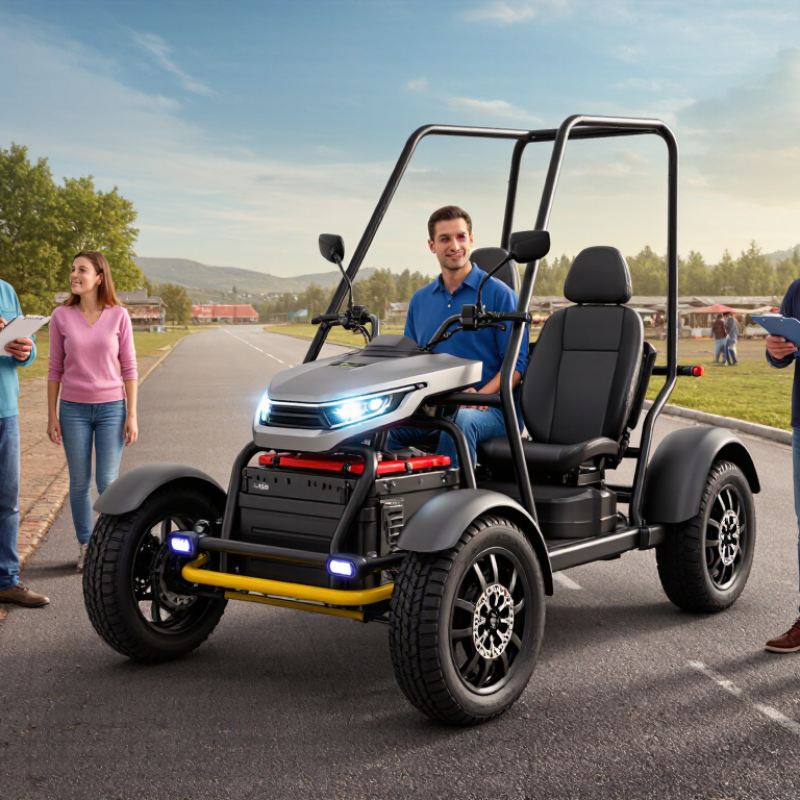
Define Your Quadricycle Bike’s Intended Use and Rider Requirements
Before choosing a quadricycle bike, define where and why it will be used. A vehicle for grocery trips needs different features from one used for campus transport. Consider road surfaces, travel distance, storage space, weather, and daily parking conditions. Smooth pavement may hide problems that appear on steep streets or rough paths. Think beyond the first week.
Tip: Write down three typical trips. Include distance, cargo, slopes, and passenger needs. This simple record can prevent an expensive mismatch.
Rider requirements should guide the frame, controls, seating, and safety equipment. Check the rider’s height, leg reach, balance, strength, and vision. Older riders may prefer low-step access and simple controls. Families may need stable seating and secure cargo compartments. A heavier load can affect braking, turning, and battery range. Ask whether the rider can comfortably enter, exit, and manage the vehicle without assistance.
Try before buying, whenever possible. Test slow turns, braking, hill starts, and loading. Measure the storage area at home, not just the vehicle. I have seen buyers focus on seating comfort and overlook handlebar reach. That mistake can become tiring after twenty minutes. Manufacturer specifications are useful, but real riding conditions reveal more. Leave room for uncertainty, especially when routes, weather, or rider needs may change.
Get in touch
Our mission is to develop cutting-edge clean energy technology and provide next-generation solar inverters.
Phone
(888) 598-9901
nep-usa@site_ea168614-f5f4-4298-bd5b-880b4cf8d99d
