How to Lower Your Electricity Bill Effectively?
In recent years, managing your electricity bill has become increasingly important for many households. According to the U.S. Energy Information Administration, the average American household spent about $1,500 on electricity in 2021. This number is expected to rise as energy prices fluctuate. Many people feel overwhelmed by the rising costs of utilities, often wondering where their money goes.
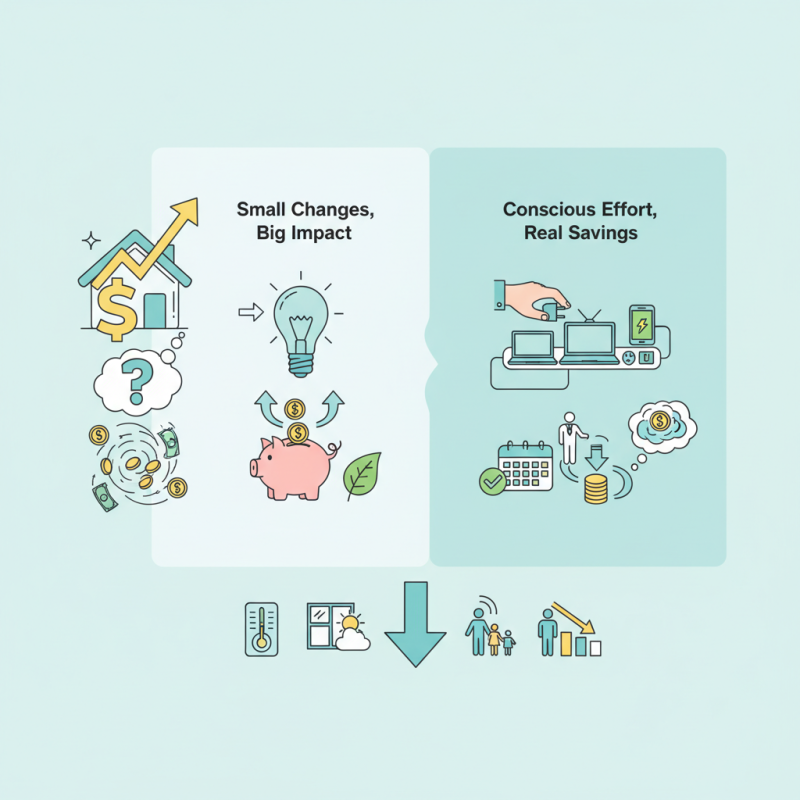
Simple changes can significantly impact your electricity bill. For instance, replacing old light bulbs with energy-efficient LEDs can reduce energy consumption drastically. A report by the American Council for an Energy-Efficient Economy suggests that such switches can save a household up to $150 annually. However, many homeowners overlook these small adjustments, assuming they won’t make a real difference.
Reflecting on your energy use is crucial. Small habits, such as unplugging devices when not in use, can accumulate savings. Yet, many continue ignoring the potential for reducing their electricity bill. Finding ways to lower costs often requires a conscious effort and a willingness to adjust daily routines. Gas prices and energy costs might seem out of control, but effective strategies exist for managing your overall expenditure.
Understanding Your Electricity Bill and Its Components
Understanding your electricity bill can seem daunting at first. Each bill contains multiple components that impact your total cost. The most significant elements are the energy charge, which reflects your actual usage, and the fixed fees, which you pay regardless of how much energy you use. Additionally, taxes and utility charges can significantly add to the total.
When reviewing your bill, pay attention to the electricity usage section. It shows your consumption compared to previous months. This comparison can reveal patterns in your usage. Tracking usage patterns is crucial for identifying opportunities to save.
Consider your appliances. They can consume more power than you realize. Older models, especially, may use excessive energy. Small changes, such as replacing light bulbs or unplugging devices when not in use, can make a noticeable difference over time. Inadvertently leaving devices on standby often goes unrecognized, but it leads to increased bills. Reflecting on these habits can pave the way for lasting change.
Identifying Energy Hogs in Your Home
Identifying energy hogs in your home is crucial for lowering your electricity bill. Many households remain unaware of which appliances consume the most energy. According to the U.S. Department of Energy, heating and cooling systems account for nearly 48% of residential energy use. This highlights the importance of inspecting your HVAC system. Simple maintenance can lead to significant savings.
Additionally, other common offenders include water heaters, refrigerators, and lighting. The EPA estimates that on average, home appliances contribute to over 20% of energy expenditure. Swapping out old devices for energy-efficient ones can have a substantial impact. However, regular usage still matters. Leaving lights on or leaving devices in standby mode can waste more energy than you think.
Understanding your energy bill can illuminate hidden inefficiencies. Smart meters can provide real-time consumption data. This information can help you make informed decisions. Often, people overlook small habits. Unplugging chargers or using timers could reduce electricity usage dramatically. Reflecting on these choices often reveals areas for improvement. Simple steps can lead to noticeable changes in your monthly expenses.
How to Lower Your Electricity Bill Effectively?
This chart displays the average monthly energy consumption of common household appliances that are known to contribute significantly to electricity bills. Identifying these "energy hogs" can help you take steps to reduce your usage and save money.
Implementing Energy-Efficient Practices and Upgrades
Implementing energy-efficient practices can significantly reduce your electricity bill. Simple lifestyle changes can lead to noticeable savings. Start by evaluating your appliances. Old appliances consume more energy. Replace them with energy-efficient models when possible. Consider using LED bulbs for lighting; they use less energy and last longer.
Tips: Seal any leaks around windows and doors. This helps maintain a stable temperature indoors. Insulate your home properly. It keeps the heat in during winter and out during summer. Monitor your energy use. You can learn which appliances use the most power.
Another effective upgrade is a programmable thermostat. It adjusts your heating and cooling automatically. Set it lower when you're not home. Small adjustments in usage can yield big savings. Always remember to unplug devices that aren't in use. Even in standby mode, they consume energy. Reflect on your habits. Are they energy-efficient? Small changes can lead to great results in lowering your electricity bill.
Utilizing Smart Technology for Energy Management
Smart technology is transforming energy management in our homes. According to the U.S. Department of Energy, smart devices can help reduce energy consumption by up to 30%. This is significant for lowering electricity bills.
Intelligent thermostats, for example, learn your schedule. They adjust heating and cooling automatically. This means less energy wasted when you’re away.
Another area is smart lighting. Automated lighting systems can turn off lights when rooms are unoccupied. A study from the American Council for an Energy-Efficient Economy found that smart lighting can reduce electric costs by 40%. Homeowners often overlook this simple solution. Yet, the impact can be substantial over time.
However, it's crucial to remember that not all technology works perfectly. Initial setup can be labor-intensive or confusing. Some smart devices require internet connectivity, which might not always be reliable. Users must weigh these inconveniences against potential savings. Smart technology can be a game changer, but like everything, it's not without its challenges.
Exploring Renewable Energy Options for Your Home
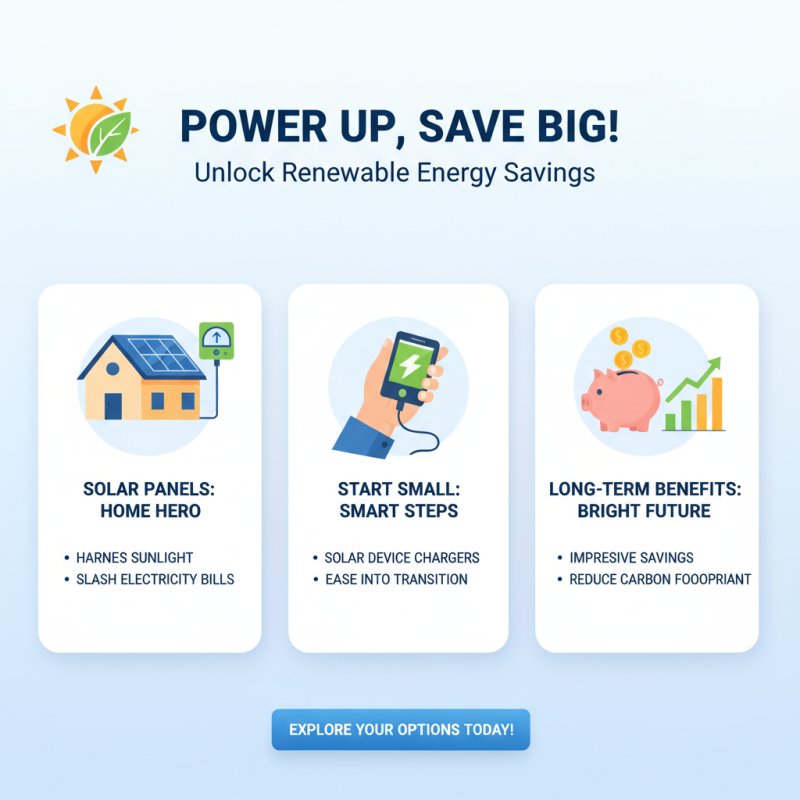
Exploring renewable energy options can significantly reduce your electricity bill. Solar panels are a popular choice for homeowners. They harness sunlight to generate power. Installing them might feel overwhelming initially. However, the long-term savings can be impressive. Many people start small, using a solar charger for devices. This helps ease into the transition without a huge upfront investment.
Wind energy is another viable option. If your property has enough space, a small wind turbine could be installed. These turbines can generate power even on cloudy days. This makes them a reliable source of energy. The noise and aesthetic appeal may concern some homeowners, though. It's essential to weigh the pros and cons carefully.
Additionally, considering energy efficiency is crucial. Upgrading insulation or switching to LED bulbs can lower energy costs even before investing in renewable sources. Many overlook these simple changes. They may seem minor but can lead to significant savings. Regularly reviewing your energy habits also helps identify areas for improvement. Every small step counts towards achieving a lower electricity bill over time.