We use our own and third-party cookies to improve our services. If you continue browsing, we will consider that you accept this use. Read More

OK

English-US
  • Spanish-Latin America
  • Japanese-JP
  • Chinese
  • Europe
  • Português-BR

Tech Support

(888) 598-9901
Hours: Mon-Fri 8AM-8PM EST

E-mail

nep-usa@site_ea168614-f5f4-4298-bd5b-880b4cf8d99d

How to Choose the Right Isolation Switch for Your Needs?

Choosing the right Isolation Switch is crucial for any electrical system. It might seem simple, but there are many factors to consider. A proper Isolation Switch enhances safety, prevents accidental electrical faults, and ensures effective maintenance.

The options are diverse, with various designs and specifications available. An ideal Isolation Switch should fit your specific application needs. Factors such as voltage ratings, current capacity, and material must align with your requirements. Personal experience often reveals gaps in initial choices. Reflecting on these oversights is essential for improvement.

Many users find themselves overwhelmed by the choices. Some prioritize brand over functionality. However, the goal should always be reliability and safety. Making informed decisions can significantly impact the performance and longevity of electrical equipment.
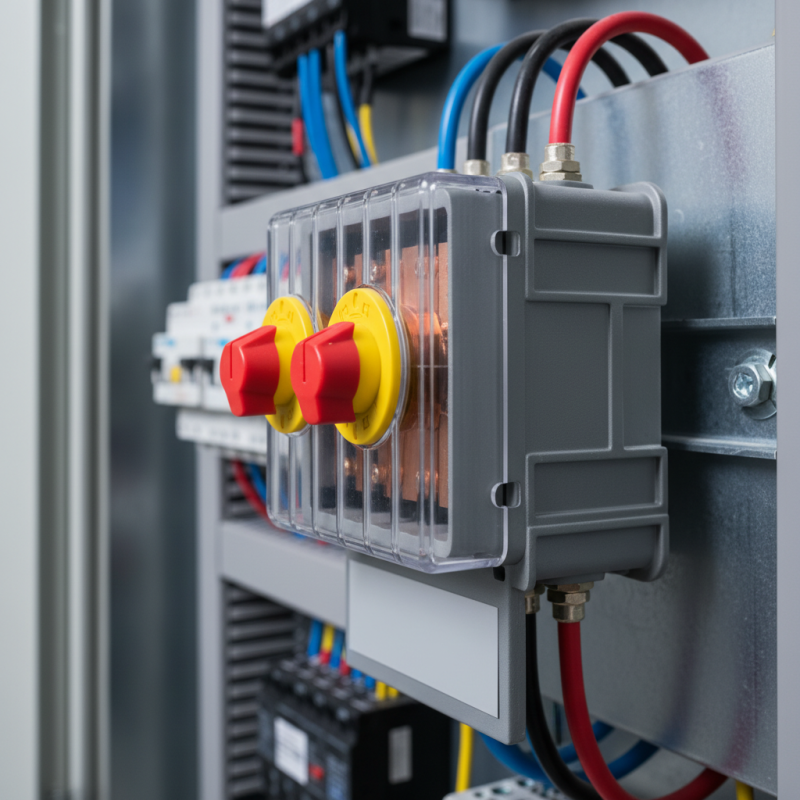
How to Choose the Right Isolation Switch for Your Needs?

Understanding Isolation Switch Types: A Comprehensive Overview

Choosing the right isolation switch can be challenging. There are various types to consider. Each type has unique features and applications. Understanding these switches is crucial for safety and efficiency.

There are manual isolation switches, commonly used in residential settings. They require human interaction to operate. On the other hand, automatic isolation switches offer convenience. They activate based on specific conditions. This can prevent accidents but may require more upfront investment. Some switches are compact for tight spaces, while others are larger and more robust.

When selecting an isolation switch, consider the environment. Indoor and outdoor switches differ significantly. Outdoor switches need to withstand weather conditions. This is often overlooked. Choosing the wrong type can lead to malfunctions or hazards. Reflecting on these details is vital to ensure reliability and effectiveness. Choosing an isolation switch isn't just about price; it's a decision that affects safety.

Key Specifications to Consider When Selecting Isolation Switches

When choosing an isolation switch, you must consider vital specifications. Start with voltage rating. It indicates the maximum voltage the switch can handle. Ensure this rating matches your system's requirements.

Current rating is another crucial factor. It represents the amount of current the switch can safely carry. Overloading the switch can cause failure. Make sure to choose a switch that supports your specific load.

Tip: Always check the installation environment. Some switches are designed for indoor use only. If your switch is exposed to harsh conditions, look for weatherproof options.

Consider the switching mechanism as well. You might prefer a manual or automatic switch. Manual switches are simple but require human action. Automatic switches offer convenience but may add complex wiring.

Tip: Think about maintenance needs. Some switches are easier to service than others. You may face challenges if routine checks are difficult. Balancing these factors will ensure you select the right isolation switch for your needs.

Analyzing Voltage and Current Ratings for Optimal Performance

When choosing an isolation switch, voltage and current ratings are crucial. These ratings determine how well the switch performs under load. Selecting a switch with appropriate ratings can enhance safety and efficiency in electrical systems. An under-rated switch may fail, leading to dangerous situations. On the other hand, an over-rated switch adds unnecessary costs.

Consider the specific application of the switch. If it operates in a high-voltage environment, ensure it can handle the peak voltage safely. Review the current capacity too. It’s vital that the switch can manage the expected current without overheating. Many users overlook this detail, leading to equipment failure.

Evaluate the environment as well. Are there extreme temperatures or humidity levels? Harsh conditions can affect performance. Some switches may struggle under these circumstances, impacting their reliability. Additionally, reflect on installation. Incorrect setups can lead to misjudgments in ratings. Ensure a proper fit for both the system and the switch. Balancing these factors will help in creating a safer, more efficient electrical setup.

Evaluating Safety Standards: How They Impact Your Choice

When choosing an isolation switch, safety standards play a crucial role. According to a recent report from the International Electrotechnical Commission (IEC), more than 30% of electrical installation accidents stem from inadequate safety measures. This underscores the importance of evaluating safety aspects in product selection. Specific standards like IEC 60947 can guide you, highlighting critical factors such as voltage rating and operational reliability.

Consider the environment where the switch will be used. If it’s exposed to moisture or dust, look for switches rated for such conditions. For example, IP65-rated switches prevent ingress of water and dust. This is significant; ignoring environmental factors can lead to switch failures. Moreover, harmonizing with national and international standards enhances safety and compliance. Not all products align; even subtle differences matter.

Reliability also deserves attention. A recent industry survey revealed that about 20% of users experienced switch failure due to poor quality. Regularly testing isolation switches can help identify potential issues. Trust your instincts when you notice anomalies. Small details might get overlooked, yet they can indicate broader issues lurking beneath the surface.

Safety Standard Evaluation for Isolation Switches

This chart illustrates the compliance levels of various safety standards relevant to isolation switches. Choosing a switch that meets the necessary safety standards is crucial for ensuring reliability and safety in electrical systems.

Real-World Applications: Choosing the Right Switch for Specific Needs

When selecting the right isolation switch for specific applications, consider how it will be used. For residential installations, a basic electrical disconnect might suffice. In commercial settings, heavier machinery often requires more robust models. Each application has unique demands. For instance, a switch in a wet area needs a higher degree of protection.

Tips: Always assess the environment where the switch will be installed. If moisture is present, look for weatherproof options. Read the specifications carefully, though it can be tedious. Choosing the wrong switch can lead to downtime or safety hazards.

Compatibility is also crucial. Ensure the switch matches your panel's specifications. For industrial applications, consider the voltage and current ratings. Not every switch can handle high amperage. Sometimes, you may find that a nominally suitable switch does not fit well with your existing wiring. It’s important to double-check.

How to Choose the Right Isolation Switch for Your Needs?

Application Type of Isolation Switch Current Rating (A) Voltage Rating (V) Key Features
Industrial Machines Rotary Isolator 32 400 Lockable, Compact Design
Solar Energy Systems DC Isolator 20 1000 Weatherproof, High Efficiency
Residential Electrical Panels Surface Mount Switch 16 230 Easy Installation, Cost-Effective
HVAC Systems Fuse Isolator 40 400 Temporary Isolation, Overcurrent Protection
Construction Sites Portable Isolator 25 230 Lightweight, Easy to Move

Article Source:

Get in touch

Our mission is to develop cutting-edge clean energy technology and provide next-generation solar inverters.

Phone

(888) 598-9901

E-mail

nep-usa@site_ea168614-f5f4-4298-bd5b-880b4cf8d99d