How to Choose the Right Aluminium Extrusion Profile for Your Needs?
Choosing the right Aluminium Extrusion Profile is crucial for enhancing project success. With numerous options available, the selection process can be daunting. Each profile serves distinct functions, making it essential to understand their characteristics.
Considerations include strength, weight, and aesthetics. In construction, for instance, a lightweight profile may be preferred for ease of handling. However, durability should not be overlooked. Profiles that seem ideal at first may not fit every application perfectly. Testing and evaluation are necessary to ensure suitability.
Additionally, the choice may be influenced by cost and availability. Balancing budget constraints with quality demands careful thought. Relying solely on online resources can lead to flawed decisions. Engaging experts can provide valuable insights. This allows for a more informed decision-making process. Ultimately, selecting the right Aluminium Extrusion Profile can significantly impact overall performance and longevity in your projects.
Understanding the Basics of Aluminium Extrusion Profiles
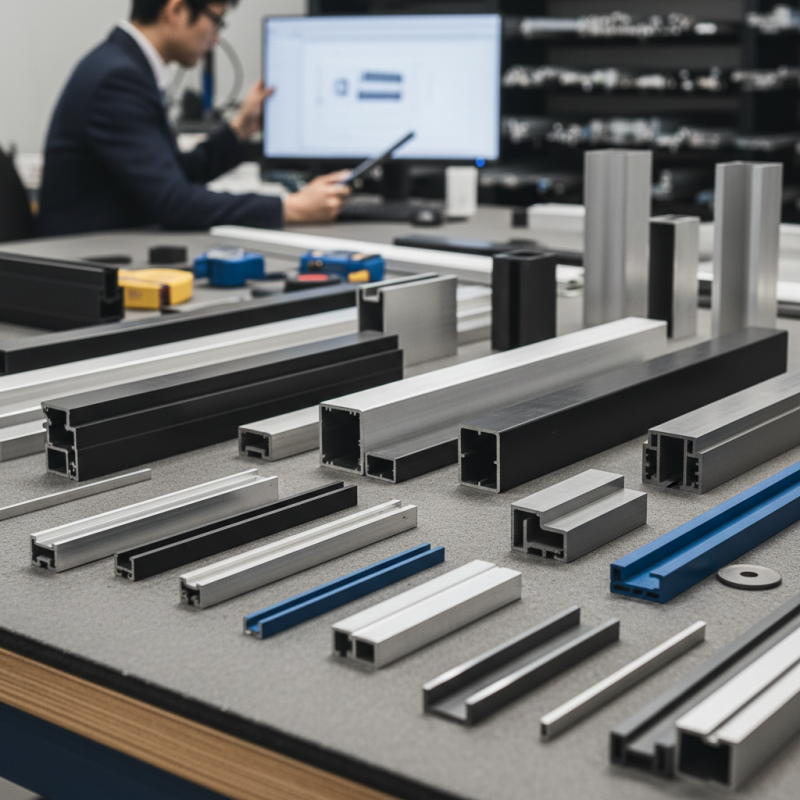
Aluminium extrusion profiles are versatile and commonly used in various applications, from architecture to manufacturing. Understanding the basics is crucial for selecting the right profile for your project. Each profile offers different shapes, sizes, and characteristics. Familiarizing yourself with these options can significantly improve the effectiveness of your design.
Choosing the correct aluminium extrusion involves assessing your specific needs. Are you looking for strength, flexibility, or aesthetic appeal? It’s not an easy decision; sometimes, the perfect profile may not exist. Testing prototypes can help identify flaws or limitations. This trial-and-error process, although time-consuming, ultimately leads to better results.
Many factors influence the choice of extrusion profiles. Consider the environment where the profile will be used. Will it face heavy loads or harsh conditions? Reflecting on these aspects ensures better performance. If a profile inadequately fits the application, it may lead to unanticipated issues, such as structural failure or increased maintenance costs.
Identifying Your Project Requirements and Specifications
When choosing an aluminium extrusion profile, project requirements play a critical role. Consider the dimensions and the weight load the extrusion needs to support. A report from the Aluminium Association indicates that structural aluminium components must withstand specific stress levels, often measured in psi. Knowing these specifications is essential to ensure safety and functionality.
Surface treatment is another important factor. Extrusions might require anodizing or powder coating. These finishes affect durability and aesthetics. A study published in the Journal of Materials Science noted that properly treated aluminium can last up to three times longer in corrosive environments. Evaluating environmental exposure is crucial for long-lasting solutions.
Finally, budget constraints matter. While high-quality profiles may come with higher costs, they often result in lower maintenance over time. Balancing quality with affordability is an art. It’s tempting to opt for the cheapest option, but this could lead to greater expenses in the long run. Thoughtful consideration of your project’s specific needs can guide you to the right aluminium extrusion profile.
Evaluating Different Aluminium Alloys for Extrusion
When selecting an aluminum alloy for extrusion, several factors come into play. Different alloys exhibit distinct mechanical properties, such as strength, ductility, and corrosion resistance. For instance, 6063 aluminum alloy is known for its versatility and is often used in architectural applications. It provides a good balance of strength and workability, making it popular in the extrusion industry. However, it may not be suitable for structural components requiring high strength.
On the other hand, 6061 aluminum offers higher strength and is commonly utilized in applications demanding weldability and good corrosion resistance. According to a recent industry report, 6061 accounts for 40% of the aluminum extrusion market due to its robustness. While this alloy excels in strength, its more complex extrusion process may lead to higher production costs. Evaluating these trade-offs ensures that manufacturers select the right alloy for their needs.
Ultimately, the choice of aluminum alloy can significantly influence the end product's performance. The extrusion process itself can also impact the material properties. A poorly optimized process may result in defects, such as internal voids or surface imperfections. Being informed about these factors can aid in making more effective decisions in aluminum extrusion.
Aluminium Alloys for Extrusion: Strength vs. Weight
Comparing Profile Shapes and Sizes for Optimal Performance
Choosing the right aluminium extrusion profile can greatly influence the success of your project. Profile shapes and sizes play a crucial role in performance. For instance, square profiles offer strength, while rectangular profiles may provide better space-filling capabilities. The choice between a larger or smaller profile will depend on the specific load requirements of your application.
Profiles with complex shapes, such as T-sections or U-channels, often provide better resistance to bending or twisting forces. However, they can be more challenging to produce and may entail higher costs. Consider whether these additional features are necessary. Sometimes, simpler profiles can deliver adequate performance without breaking the budget.
Don't overlook the importance of weight. Lighter profiles can reduce overall project weight, enhancing transport and installation ease. Yet, this can come at the cost of strength. Evaluating the trade-offs is vital. Proper consultation with an expert can guide you through these options, but remember: the ideal profile depends on your unique needs. Reflect on what you truly need versus what looks appealing.
How to Choose the Right Aluminium Extrusion Profile for Your Needs?
| Profile Shape | Dimensions (mm) | Weight (kg/m) | Applications | Performance Rating |
| Rectangular | 40 x 20 | 1.20 | Frames, Supports | 4.5/5 |
| Square | 30 x 30 | 0.9 | Casing, Cabinets | 4.7/5 |
| T-Slot | 45 x 45 | 1.75 | Workstations, Racks | 4.8/5 |
| Round | 25 | 0.5 | Pipes, Light Structures | 4.2/5 |
| L-Shaped | 50 x 50 x 5 | 2.1 | Support Brackets, Beams | 4.6/5 |
Assessing Cost, Availability, and Supplier Capabilities
When selecting an aluminium extrusion profile, cost, availability, and supplier capabilities are critical. Start by determining your budget. Different profiles come with varying price points. Sometimes, opting for a cheaper option might compromise quality. Assessing your needs fully can help mitigate this risk.
Next, consider the availability of the chosen profile. Some suppliers may have specific profiles on hand, while others require a long lead time for custom orders. This can affect your project timeline. Check inventory levels and production capabilities to ensure the supplier can deliver on time.
Lastly, evaluate supplier capabilities. Not all suppliers offer the same level of expertise. Look for suppliers with experience in your industry. Ask about their quality control processes. Ensure they can provide the support you need, especially for complex projects. Choosing the right supplier can be the difference between success and delays.