- Spanish-Latin America
- Japanese-JP
- Chinese
- Europe
- Português-BR

Tech Support
(888) 598-9901
Hours: Mon-Fri 8AM-8PM EST
nep-usa@site_ea168614-f5f4-4298-bd5b-880b4cf8d99d
How to Choose the Best Woofer Sound System in 2026?
Choosing the best Woofer Sound System in 2026 requires more than chasing the deepest bass. A powerful specification can look impressive, yet sound loose in a small living room. Room size, listening distance, music style, amplifier matching, and placement should guide the decision. A compact 8-inch woofer may outperform a larger model when the room is tightly enclosed.
Dr. Floyd E. Toole, a respected loudspeaker researcher, has said, “The room is the final component in the audio system.” That idea remains highly practical. A good Woofer Sound System should produce controlled bass, not merely loud bass. Listen for clean kick drums, natural vocal warmth, and steady low notes at moderate volume. Check whether the cabinet vibrates against the floor. Notice whether bass changes dramatically when you move one meter sideways.
Modern systems may include digital signal processing, room correction, wireless control, and energy-efficient amplifiers. These features can improve convenience, but they cannot repair every acoustic problem. Start with verified frequency-response data, warranty coverage, independent measurements, and reliable service support. Then test the system with familiar recordings. Use your own room if possible.
There is no perfect setup. I still get this wrong sometimes. Personal taste, furniture, and neighbors can change the result. This guide examines practical selection criteria, common compromises, and listening tests that help buyers make a confident choice without confusing volume with quality.
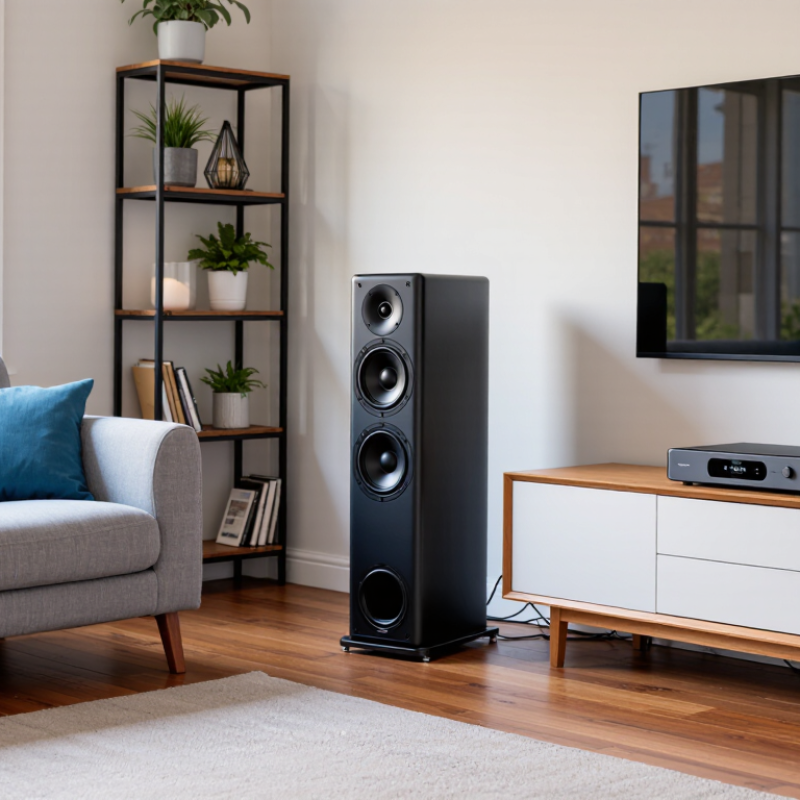
Define Bass Requirements: 20–200 Hz Response, SPL, and Listening Goals
How to Choose the Best Woofer Sound System in 2026?
Choosing a woofer sound system begins with your bass requirements, not cabinet size. The 20–200 Hz response covers deep effects, kick drums, bass guitars, and room vibration. However, a wide specification does not guarantee accurate sound. Check the response tolerance, such as ±3 dB, instead of trusting a single frequency number. A system reaching 20 Hz may sound weak if it lacks amplifier headroom or creates excessive distortion. I have found that clean output at 35 Hz often feels more useful than impressive but unstable low bass. Room placement changes everything.
Tips: Play familiar tracks with sustained bass, sudden impacts, and quiet passages. Listen near your usual seat. Notice whether bass sounds tight, hollow, or boomy. Compare systems at the same volume, because louder often seems better. For movies, prioritize strong SPL and headroom. For music, focus on timing, texture, and smooth response. A phone application can provide clues, but an external measurement microphone gives more dependable results.
Your listening goal should guide the SPL target. A small room may need moderate output, while an open space requires greater headroom without compression. Leave some capacity unused; constant maximum output can sound harsh. I once selected a system for its dramatic low-frequency extension and ignored a troublesome room mode. The result was powerful, but uneven. That mistake still shapes my testing: measure the room, adjust the crossover, and judge bass from several seats.
Get in touch
Our mission is to develop cutting-edge clean energy technology and provide next-generation solar inverters.
Phone
(888) 598-9901
nep-usa@site_ea168614-f5f4-4298-bd5b-880b4cf8d99d
