- Spanish-Latin America
- Japanese-JP
- Chinese
- Europe
- Português-BR

Tech Support
(888) 598-9901
Hours: Mon-Fri 8AM-8PM EST
nep-usa@site_ea168614-f5f4-4298-bd5b-880b4cf8d99d
How to Choose the Best Video Doorbell?
Choosing the best Video Doorbell is no longer about buying the sharpest camera. It is about matching technology with your entrance, network, household, and privacy expectations. Grand View Research identifies strong growth in the global smart doorbell market, while MarketsandMarkets also forecasts double-digit expansion. These reports show rising demand, but market forecasts differ by definition and region. That uncertainty deserves attention.
The right model should capture a clear face at night, not just display a high pixel count. Check HDR performance, infrared range, viewing angle, motion zones, audio delay, and package visibility. A narrow porch may need a head-to-toe view. A busy sidewalk may require adjustable detection areas. Battery models simplify installation, but cold weather and frequent alerts can reduce endurance. Wired models usually provide steadier operation. Small details matter.
Jamie Siminoff, Ring’s founder, once described the doorbell as “the first thing people see when they come to your home.” That perspective remains useful. A Video Doorbell is both a security device and a daily communication tool. Before choosing, examine subscription fees, local storage, encryption practices, warranty terms, and compatibility with your existing smart-home platform. Do not trust every laboratory claim. Test Wi-Fi strength beside the door. Stand beneath the camera at night. Listen for delay. The best choice may not be the most expensive one; it may be the model that works reliably during rain, darkness, and an ordinary delivery.
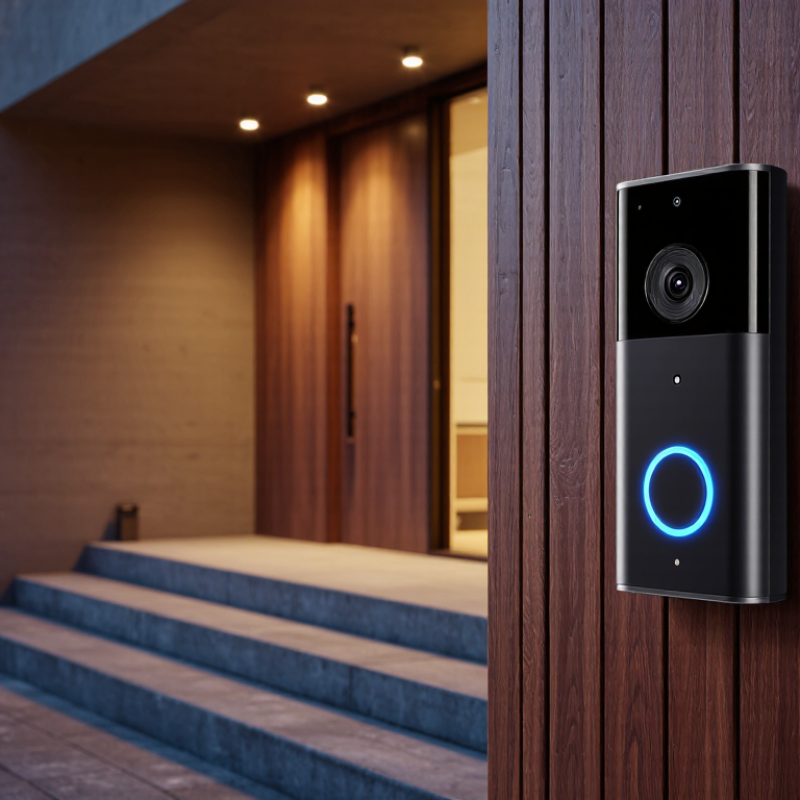
Define Security Needs with NIST IoT Baseline Controls and Privacy Laws
How to Choose the Best Video Doorbell?
Define Security Needs with NIST IoT Baseline Controls and Privacy Laws
A video doorbell should protect more than your front step. It also handles faces, voices, addresses, and daily routines. I look for devices that support unique passwords, secure updates, data protection, and clear user access. These expectations align with NIST IoT baseline controls, including device identification, configuration, data protection, and cybersecurity awareness.
Check whether the doorbell explains where recordings go and how long they remain stored. Privacy laws differ by location, especially around audio recording, visitor consent, and shared household data. A useful privacy notice should be easy to find, not buried in technical language. Look for deletion tools, access controls, and options to disable audio. Keep the camera pointed at your entrance, not a neighbor’s window.
Test the device at dusk, during rain, and with a delivery person standing outside. Confirm that alerts arrive quickly and that the image remains useful in low light. Ask whether the account supports two-step login and separate permissions for family members. I once found a camera with excellent daytime video but unreliable night alerts. That changed my priorities. More features are not always better. A basic model with timely updates, limited data collection, and clear settings may offer stronger protection. Laws and software change, so review the privacy policy and update history before purchasing.
Get in touch
Our mission is to develop cutting-edge clean energy technology and provide next-generation solar inverters.
Phone
(888) 598-9901
nep-usa@site_ea168614-f5f4-4298-bd5b-880b4cf8d99d
