- Spanish-Latin America
- Japanese-JP
- Chinese
- Europe
- Português-BR

Tech Support
(888) 598-9901
Hours: Mon-Fri 8AM-8PM EST
nep-usa@site_ea168614-f5f4-4298-bd5b-880b4cf8d99d
How to Choose the Best Skin Light Therapy Device?
Choosing the right Skin Light Therapy Device requires more than comparing brightness, prices, or attractive product photos. The best choice depends on your skin concern, treatment goal, light wavelength, safety controls, and usage habits. A device that suits uneven tone may not suit sensitive skin or post-inflammatory marks. Results also vary between users.
Dr. Michael R. Hamblin, a leading photomedicine researcher, describes photobiomodulation as “a form of light therapy that utilizes non-ionizing forms of light sources, including lasers, light emitting diodes, and broadband light.” This distinction matters. Different light sources can produce different biological effects, while home devices usually offer lower intensity than professional equipment. Therefore, marketing claims should never replace evidence, realistic expectations, or professional guidance.
Look closely at the details. Check the stated wavelengths, treatment distance, session time, eye-protection instructions, and cooling features. A flexible mask should sit evenly across the face, while a handheld panel needs consistent positioning. Review independent testing, warranty terms, and published clinical support. Avoid devices promising instant whitening or permanent results. Skin does not change overnight.
Your routine matters too. A technically strong device may remain unused in a drawer. I have found that simple controls and comfortable materials often encourage better consistency. Still, convenience can hide limitations. Some specifications remain unclear, and not every attractive study applies to every consumer device. Consider your skin history, follow the manufacturer’s directions, and consult a qualified dermatologist when irritation, pigmentation changes, or uncertain symptoms appear. The safest decision is an informed one.
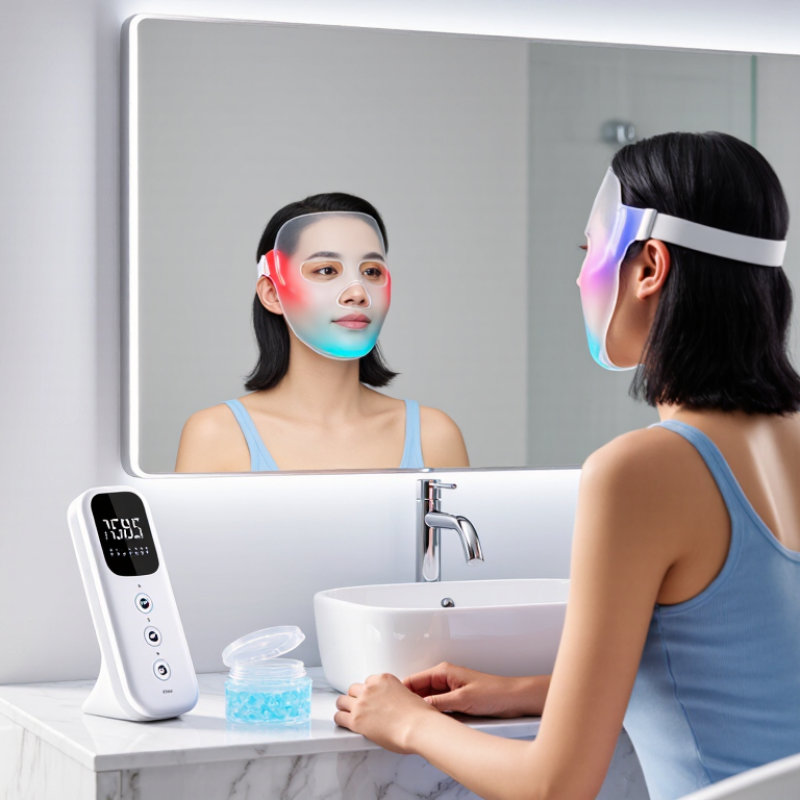
Understanding How Skin Light Therapy Works
How to Choose the Best Skin Light Therapy Device?
Understanding how skin light therapy works begins with wavelength, not appearance. Red and near-infrared light may stimulate cellular activity and support collagen-related processes. Blue light targets acne-associated bacteria near the skin surface. These effects are biological, not magical.
A 2023 review in the Journal of Clinical Medicine found that photobiomodulation studies commonly used red light between 620 and 700 nanometers. Near-infrared protocols often used wavelengths around 800 to 850 nanometers. However, treatment results varied because dose, irradiance, skin type, and study design differed. The American Academy of Dermatology also notes that visible light can help some acne cases, but maintenance treatments may be necessary. Evidence remains uneven.
Look for transparent technical data. The device should state its wavelength, irradiance, treatment time, and recommended distance. A bright panel is not automatically a stronger or safer panel. Eye protection matters, especially with intense blue light. Follow the manufacturer’s instructions and stop if burning, persistent redness, or discomfort develops.
I would be cautious.
A 2016 Cochrane review reported limited confidence in many light-based acne findings because clinical trials were often small or poorly standardized. That criticism still matters. Choose devices supported by human clinical research, realistic timelines, and clear safety guidance. Avoid promises of permanent whitening. Skin can become uneven again through ultraviolet exposure, inflammation, hormones, or irritation. Consult a dermatologist when pigmentation changes suddenly or resists careful treatment.
Get in touch
Our mission is to develop cutting-edge clean energy technology and provide next-generation solar inverters.
Phone
(888) 598-9901
nep-usa@site_ea168614-f5f4-4298-bd5b-880b4cf8d99d
