- Spanish-Latin America
- Japanese-JP
- Chinese
- Europe
- Português-BR

Tech Support
(888) 598-9901
Hours: Mon-Fri 8AM-8PM EST
nep-usa@site_ea168614-f5f4-4298-bd5b-880b4cf8d99d
How to Choose the Best Fluorinated Rubber Supplier?
Choosing the best Fluorinated Rubber supplier requires more than comparing prices. FKM compounds can look similar on paper. Their performance may differ sharply in heat, fuel, chemicals, and compression environments. A dependable supplier explains those differences clearly.
Dr. James E. Mark, a respected polymer scientist, observed, “The properties of polymers are determined by their molecular structure.” That principle matters when reviewing a supplier’s material data. Ask about polymer grade, fluorine content, curing system, hardness tolerance, and operating temperature. Request test results for compression set, tensile strength, elongation, and volume change. A confident supplier should provide traceable batch records, technical data sheets, and realistic limitations.
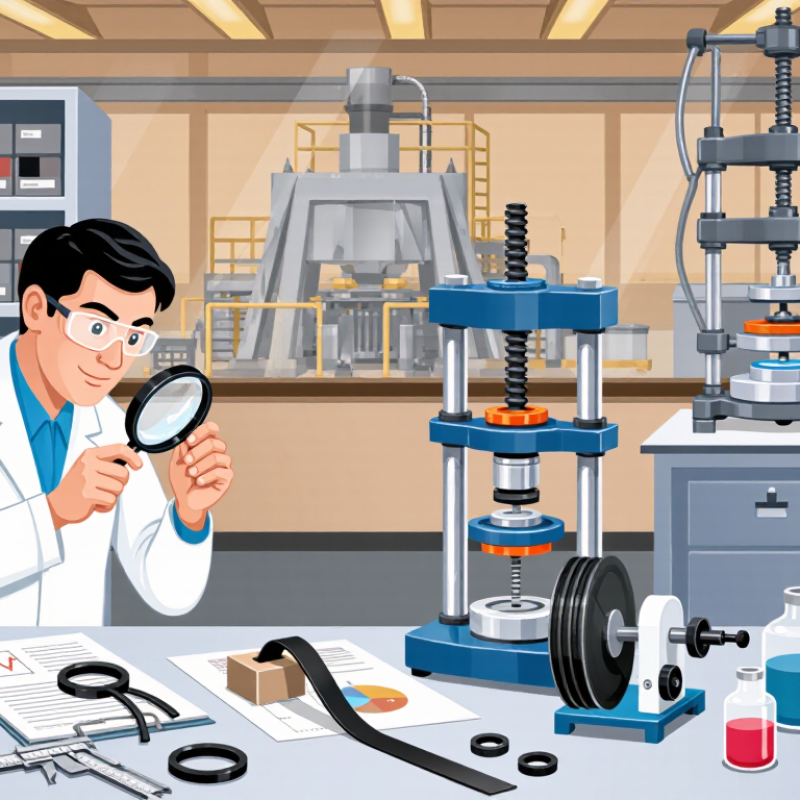
Look closely at the sample.
A small O-ring can reveal surface defects, inconsistent color, or poor molding control. However, appearance alone proves little. Test the compound with your actual fluids, pressure cycles, and temperatures. A supplier may recommend standard FKM for one application, while another requires a low-temperature, peroxide-cured, or high-fluorine grade. Those details affect service life.
Supplier reliability also deserves practical attention. Review production capacity, quality certifications, inspection procedures, and response times. Ask how rejected batches are handled. Ask difficult questions. Vague answers are warning signs.
The lowest quotation may become expensive after swelling, leakage, or premature replacement. I have seen technical specifications treated as decoration, which is a mistake. Selection is not perfect on the first attempt. Recheck assumptions with testing, field feedback, and independent laboratory analysis. The strongest supplier is not simply the cheapest or largest. It is the partner that connects verified material behavior with your real operating conditions.
What Fluorinated Rubber Is and Why Supplier Choice Matters
How to Choose the Best Fluorinated Rubber Supplier?
Fluorinated rubber, commonly called FKM, is an elastomer designed for heat, fuel, oil, and aggressive chemicals. Its fluorine content supports low swelling and long sealing performance. ASTM D1418 identifies FKM as a fluorocarbon rubber family. However, the label alone proves very little. Compound design, curing conditions, and filler selection can change performance significantly.
A 2024 Grand View Research assessment valued the global fluoroelastomers market at about USD 1.6 billion in 2023. It also projected steady growth through 2030, driven by automotive, aerospace, and chemical equipment demand. This growth increases supplier choices, but not necessarily supplier quality. A capable supplier should provide batch traceability, technical data sheets, certificates of analysis, and test results for compression set, tensile strength, hardness, and chemical resistance. Ask whether testing follows recognized methods, such as ASTM D395 for compression set.
A practical evaluation needs more than a polished catalog. Request samples made from the proposed compound, then test them under real temperature, pressure, and fluid conditions. Check storage controls, mixing records, mold consistency, and response time for technical questions. A Smithers industry review also highlights the importance of material reliability in demanding sealing applications. That point is easy to underestimate. We often focus on price before failure costs. No supplier is perfect, and published data may not represent every production batch. An on-site audit, independent testing, and a small qualification order can expose weaknesses before they reach production.
Get in touch
Our mission is to develop cutting-edge clean energy technology and provide next-generation solar inverters.
Phone
(888) 598-9901
nep-usa@site_ea168614-f5f4-4298-bd5b-880b4cf8d99d
