How to Choose Solar Panel Connectors for Your Project?
When selecting the right Solar Panel Connectors for your solar energy project, understanding their importance is crucial. Industry reports highlight that improper connections can lead to energy losses of up to 30%. Thus, choosing the appropriate connectors is essential for efficiency and safety. According to Dr. Emily Carter, a leading solar technology expert, “The quality of your Solar Panel Connectors can make or break your system’s overall performance.”
The variety of connectors available can be overwhelming. Understanding their specifications and compatibility with your solar panels is vital. Factors such as temperature resistance, durability, and ease of installation should drive your decision. In addition, connectors should meet specific industry standards to ensure reliability. Reports indicate that connectors failing in harsh conditions can cause unexpected downtime and increased maintenance costs.
It's worth noting that not all products on the market are created equal. Some cheaper options might seem appealing but can result in long-term inefficiencies. Selecting compatible Solar Panel Connectors requires more than a quick review; it demands research and awareness of industry evolutions. Choosing connectors wisely can improve energy output and reduce future headaches.
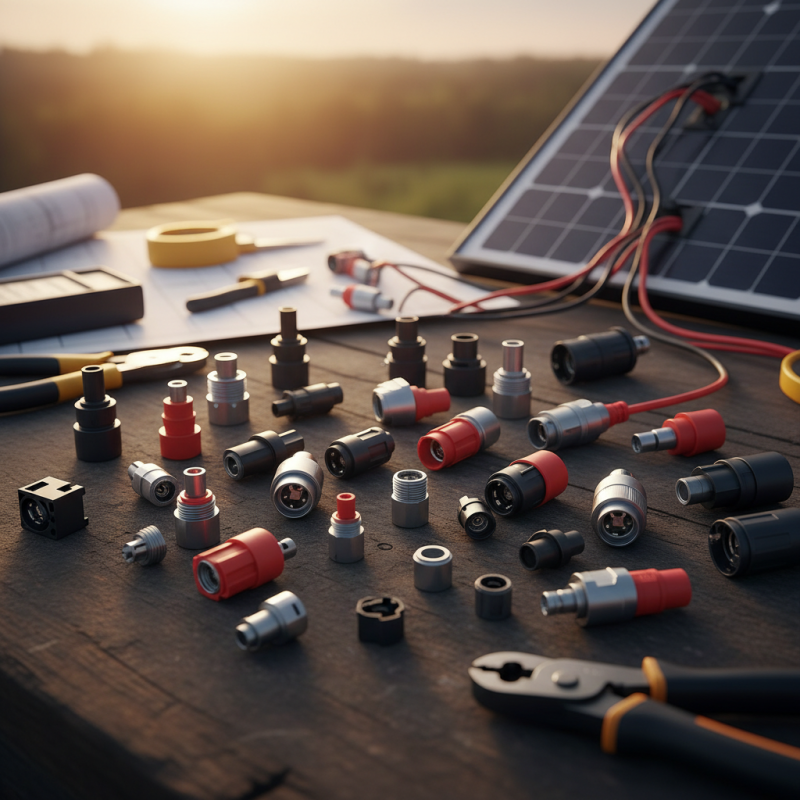
Understanding the Types of Solar Panel Connectors Available
When selecting solar panel connectors for your project, understanding the available types is crucial. Most commonly, solar connectors fall into two categories: MC4 and bypass connectors. MC4 connectors are widely used due to their durability and weather resistance. They meet the standards set by the International Electrotechnical Commission (IEC), ensuring safety and performance in various environmental conditions.
According to the "Solar Power World" report, nearly 85% of solar installations utilize MC4 connectors. These connectors can withstand extreme temperatures, ranging from -40°C to +90°C. On the other hand, bypass connectors allow for a more efficient energy flow, especially in partial shading conditions. This type can enhance energy production by minimizing power loss.
It’s important to consider compatibility with your solar panels. Misalignment or incorrect connections may lead to performance issues. A study by the National Renewable Energy Laboratory (NREL) highlighted that improper connector selection could reduce efficiency by up to 15%. Regular checks and maintenance can prevent this. Understanding these connector types strengthens project reliability and performance. Choosing wisely balances cost and functionality effectively.
How to Choose Solar Panel Connectors for Your Project? - Understanding the Types of Solar Panel Connectors Available
| Connector Type | Key Features | Typical Applications | Advantages | Disadvantages |
| MC4 | Waterproof, UV resistant, high current rating | Residential and commercial solar installations | High reliability, easy to connect and disconnect | Requires proper tools for installation, potential compatibility issues |
| Tyco | Durable, low voltage drop, easy assembly | Solar arrays in harsh environments | Good for high temperature applications | Limited availability compared to MC4 connectors |
| H4 | Compact size, multi-contact configuration | Mini grids and residential systems | Space-saving design and efficient performance | May be less robust than larger connectors |
| Anderson Powerpole | Genderless, available in multiple current ratings | Emergency power solutions and off-grid applications | Versatile and easy to use | Not fully waterproof, may require additional sealing |
Evaluating Compatibility with Your Solar Panel System
When evaluating the compatibility of solar panel connectors for your project, understanding the specific requirements is crucial. Solar panel connectors come in various types, including MC4, XT60, and Y-branch connectors. Each type serves different purposes and varies in efficiency. According to a 2022 report by the Solar Energy Industries Association, approximately 80% of solar installations in the U.S. use MC4 connectors due to their reliability and ease of use.
Compatibility extends beyond just connector types. Voltage ratings, current ratings, and temperature tolerances must align with your solar panel system. For instance, many high-efficiency panels operate at voltages above 30 volts. If your connectors cannot handle this, risks arise. Moreover, improper connector choices can lead to overheating or reduced energy output, highlighting the need for thorough research and verification.
It's also essential to consider materials. Corrosion-resistant materials can enhance durability, especially in harsh weather conditions. Choosing connectors made from high-grade metals, such as copper, can significantly impact the energy transmission efficiency. Industry analysis shows that poor connector quality can reduce overall system performance by up to 10%. Therefore, ensuring compatibility between connectors and solar panels not only maximizes energy output but also improves the system’s lifespan.
Assessing Durability and Weather Resistance of Connectors
When assessing the durability and weather resistance of solar panel connectors, several factors come into play. Connectors must withstand harsh conditions such as rain, snow, and extreme temperatures. They should also resist UV rays and corrosion. Reliable connectors provide long-term performance and safety for your solar system.
Tips: Choosing connectors with a high IP rating ensures dust and water resistance. Look for materials like thermoplastic elastomer (TPE) for better flexibility and durability.
Additionally, test the connectors under various environmental conditions if possible. Over time, even reliable connectors can degrade. Regular inspection can help identify wear and potential failures before they lead to significant issues. Remember, choosing the right connectors is essential for maintaining an efficient solar energy system.
Tips: Always verify the compatibility of connectors with your panel type. Seek out connectors that have passed recognized durability tests.
Analyzing Wire Gauge and Electrical Ratings for Safety
When choosing solar panel connectors, safety is paramount. One crucial aspect is the wire gauge used in your project. According to the National Electrical Code (NEC), wire gauge significantly affects the current-carrying capacity and overall safety of your solar system. For instance, a 14 AWG wire can handle up to 15 amps before overheating. This means you'll want to calculate the maximum current your panels will produce to select the appropriate gauge.
Understanding electrical ratings is equally important. Connectors come with specific voltage and ampacity ratings, which you must consider. A common rating for solar connectors is 600 volts DC. Using connectors rated below this can lead to failures. Additionally, many industry reports suggest that mismatched connectors account for over 20% of solar system failures. Ensure that your connectors match your system's requirements to avoid costly issues later.
Consider environmental factors as well. High temperatures can reduce wire efficiency, impacting overall performance. A typical solar installation can experience temperature fluctuations. Thus, using a connector rated for higher temperatures can provide added safety. Reflect on this: Are your connectors and wires rated adequately for your conditions? Always consult professional guidelines for specific project needs.
Tips for Installation and Maintenance of Solar Panel Connectors
When installing solar panel connectors, attention to detail is crucial. Proper installation ensures the longevity of your solar system. Poorly installed connectors can lead to energy loss, which is a significant concern. A study by the National Renewable Energy Laboratory shows that improperly connected systems can lose up to 20% of energy efficiency.
To ensure optimal performance, follow these tips for installation. First, clean the surfaces thoroughly before connecting. Dust or grime can impede the connection. Second, make sure you use the correct type of connector for your specific solar panels. Mismatched connectors can lead to malfunction. Typically, connectors should have an IP67 or higher rating to withstand various weather conditions.
Maintenance is just as important. Periodically check connectors for signs of wear or corrosion. This is vital for ensuring safety and efficiency. A report from the Solar Energy Industries Association highlights that regular inspections can increase the lifespan of your solar system by up to 30%. If you notice any issues, replace damaged components immediately. Addressing problems early can save you money and energy in the long run.