Considering the adoption of rooftop solar power is a significant step toward sustainable living. More homeowners are exploring this option to reduce energy costs and lower their carbon footprint. Nevertheless, the decision-making process can be complex and requires careful consideration of various factors.
Rooftop solar power systems can be tailored to fit unique home environments. Assessing your roof's orientation, size, and shading is crucial. Local climate also plays a role in energy production. It’s essential to partner with reputable installers who have experience with your specific needs. Understanding warranties, maintenance, and potential energy savings is equally important.
This choice carries long-term implications for your finances and the environment. Some systems may promise high savings, but not all deliver equally. It’s vital to conduct thorough research and reflect on your household's energy consumption patterns before committing. Each home is different, reflecting the need for personalized solutions.
Choosing the Right Type of Rooftop Solar Panels for Your Home
Choosing the right type of rooftop solar panels is crucial for maximizing efficiency and cost savings. A report by the National Renewable Energy Laboratory (NREL) indicates that solar energy can reduce electric bills by up to 70%. However, the effectiveness of solar panels depends heavily on their type and installation.
Consider the three main types of solar panels: monocrystalline, polycrystalline, and thin-film. Monocrystalline panels are known for their high efficiency and space-saving design. They typically offer around 20-22% efficiency. Polycrystalline panels are slightly less efficient but can be more affordable, with efficiencies ranging from 15-17%. Thin-film panels are the least efficient but can be ideal for large spaces or specific applications.
Choosing the right solar panel is not just about efficiency. It’s also about the layout of your roof. A complex roof shape with several angles may require more planning. Think about how much sunlight your roof receives throughout the day. Some panels thrive better in low-light conditions.
Evaluate warranties before making a choice. Most reputable panels come with a performance warranty of 25 years. Most manufacturers guarantee 80% functionality at the end of the warranty period. Low-quality panels may save money upfront but could lead to higher costs over time due to repairs or replacements.
Evaluating Your Home’s Solar Potential: Key Factors and Measurements
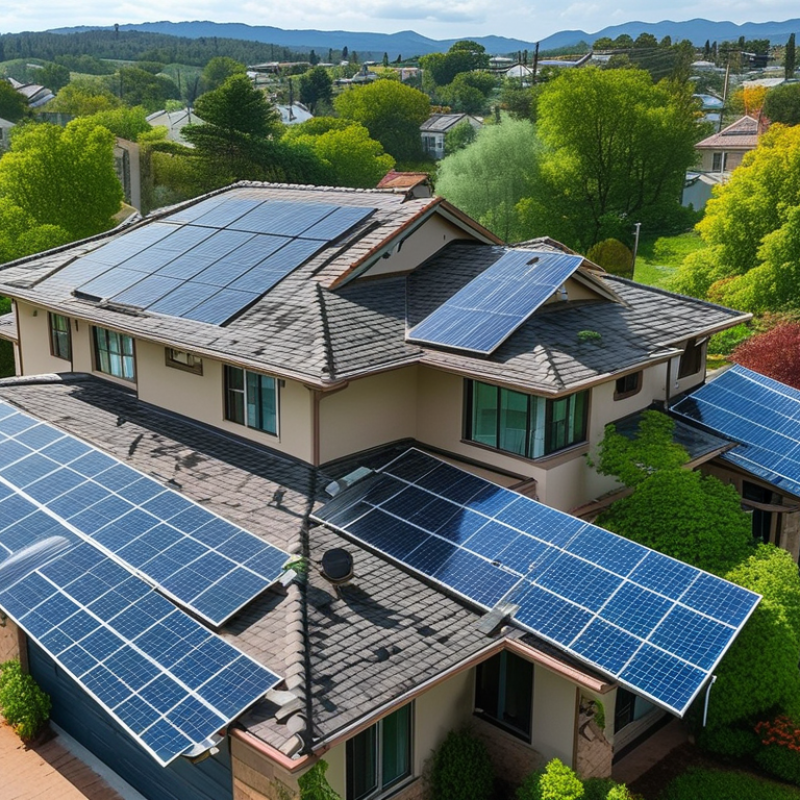
Evaluating your home’s solar potential involves several key factors. Start with your roof's orientation. South-facing roofs generally receive the most sunlight throughout the day. However, east or west-facing roofs can also work. Trees or buildings nearby must be considered, as they can cast shadows and reduce efficiency.
Next, assess your roof's pitch. A steeper slope can capture more sunlight. The material of your roof is vital too. Some materials reflect sunlight, reducing solar panel effectiveness. Inspect for any damage as repairs may be needed before installation.
Finally, consider the climate in your area. Sunny regions get more solar energy, while cloudy areas may not. Look at your energy consumption patterns. Understanding when you use the most power helps in size determination for the solar system. Reflecting on these factors can enhance your solar investment for the long run. Think critically about your choices, as each home is unique and may present different challenges.
Understanding Solar Incentives and Rebates: Maximizing Financial Benefits
When considering rooftop solar power, understanding incentives and rebates is crucial for maximizing financial benefits. The federal solar tax credit allows homeowners to deduct 26% of installation costs from their taxes. This incentive can significantly enhance your return on investment. According to a report from the Solar Energy Industries Association, incentives like this increased solar adoption by 20% in the past year alone.
State incentives also play a key role. Many states offer rebates that can reduce upfront costs. For example, California provides cash rebates based on system size, which can lower your initial investment considerably. Some states have specific programs for low-income households, making solar accessible to more homeowners. Moreover, net metering allows you to sell excess energy back to the grid, further offsetting costs.
Evaluating your eligibility for these programs can be challenging. It’s essential to research local offerings. Consult local solar providers or financial advisors for guidance. They can help you navigate this complex landscape. Moreover, remember that regulations may change. Stay updated on policy shifts that could impact your overall savings. Taking the time to understand available incentives and rebates can lead to significant long-term savings on your energy bills.
Calculating Solar Energy Needs: Sizing Your System for Optimal Output
When sizing your solar energy system, start by calculating your energy needs.
Review your past utility bills to find your average monthly usage in kilowatt-hours (kWh).
This number is essential, as it helps determine the size of the solar panel system you need.
Each panel produces a different amount of energy, so understanding your needs is critical to optimal performance.
Assess your roof space as well. Ensure there are no obstructions like chimneys or trees that might cast shadows on the panels.
The orientation and pitch of your roof also affect energy production. A south-facing roof typically captures the most sunlight.
If you're unsure, consider consulting with a solar energy expert to assess your home's unique features.
It can be challenging to gauge the right system size without expert help.
Don't be afraid to seek multiple quotes or professional opinions.
Evaluating different estimates can reveal insights you might not consider on your own.
An ill-sized system may lead to inadequate energy generation or wasted resources.
Be proactive in your research and decisions.
Comparing Installation Costs and Long-Term Savings of Solar Solutions
When considering rooftop solar power for your home, a key factor is installation cost. On average, residential solar panel installation costs range from $15,000 to $30,000. This variance depends on factors like system size, panel type, and labor costs. For instance, according to the National Renewable Energy Laboratory, systems using high-efficiency panels may incur higher upfront costs but can offer better energy savings over time.
Long-term savings are another critical aspect. The average homeowner can save about $20,000 to $30,000 on electricity bills over a system's 25-year lifespan. As energy prices rise, the benefits of solar become even clearer. A study by EnergySage found that homeowners retain about 70% to 90% of their investment when selling a property with solar energy systems. However, these advantages may fluctuate depending on local energy rates and incentives.
It's essential to examine your specific situation thoroughly. The regional cost of electricity, local solar incentives, and available financing can significantly affect your savings. Many homeowners find the initial investment daunting without considering long-term returns. Engaging with local solar experts can provide tailored insights, helping to clarify potential savings and challenges unique to your location.