How to Choose the Right Hardware BMS for Your Needs?
Choosing the right Hardware BMS (Battery Management System) is crucial for battery performance. According to a recent industry report by MarketsandMarkets, the global BMS market is projected to reach $11.56 billion by 2026. This growth reflects the increasing demand for advanced battery solutions across sectors like electric vehicles and renewable energy.
A Hardware BMS plays a vital role in monitoring battery health, managing charge cycles, and ensuring safety. It helps extend battery life and optimizes performance. However, not all BMS options are created equal. Factors such as the type of batteries, the application, and scalability must be considered carefully. Some users overlook these aspects, leading to suboptimal choices later.
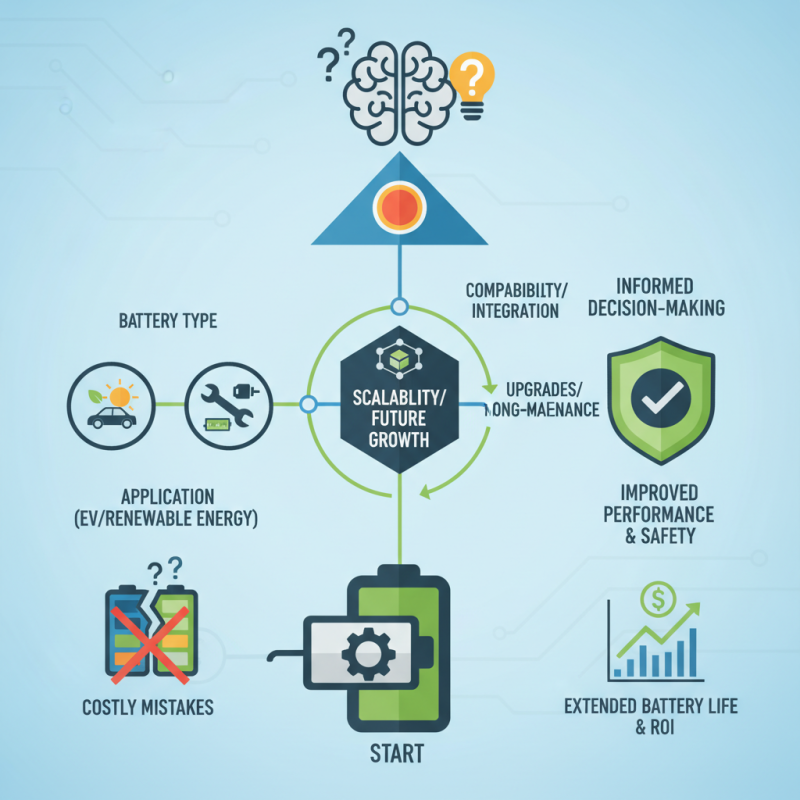
Selecting a Hardware BMS requires understanding your specific needs. Reflect on the compatibility issues, potential upgrades, and the long-term maintenance. Mistakes in selection can be costly, impacting performance and safety. Emphasizing the importance of informed decision-making can prevent unforeseen challenges.
Understanding the Basics of Battery Management Systems (BMS)
Understanding Battery Management Systems (BMS) is vital for optimizing battery performance. A BMS ensures that each cell in a battery pack operates safely and efficiently. It monitors voltage, current, and temperature. This monitoring helps prevent overheating and prolongs battery life.
Choosing the right hardware BMS can be complex. Users need to consider specific requirements, such as the number of cells and the application type. Different applications may demand varying levels of safety and reliability. Some BMS units provide advanced features, like state of charge estimation. However, these may come with added complexity.
While many BMS options exist, recognizing the key features is essential. Look for compatibility with your battery type and the ability to integrate with existing systems. Consider whether the BMS can provide real-time data feedback. Not all BMS solutions offer this, which can be a drawback. Ultimately, understanding your unique needs will guide you toward the right choice.
Identifying Your Specific Requirements and Use Cases for BMS
When selecting a hardware Battery Management System (BMS), understanding your needs is vital. Different applications demand unique specifications. For instance, electric vehicles (EVs) require robust thermal management and accurate state-of-charge reporting. A report from ResearchAndMarkets highlights that the EV battery management market will grow at a CAGR of 20% by 2026. This indicates a rising demand for sophisticated BMS.
Consider the use case. Are you integrating BMS for energy storage systems, solar applications, or consumer electronics? Each category entails distinct requirements. A BMS for solar energy may prioritize efficiency and charge cycle optimization, while an EV BMS focuses on safety features and lifespan. According to a recent study by IDTechEx, the energy storage market will exceed $400 billion by 2030, reinforcing the necessity for customized BMS solutions.
Evaluating environmental conditions is also crucial. Will the BMS operate in extreme temperatures or high-stress environments? Such factors affect component selection and design. A recent survey indicated that 35% of BMS failures stem from inadequate thermal management. This reflection suggests that thorough research on your specific operational context can mitigate potential issues. Engaging with professionals in the industry can provide insights into best practices and common pitfalls.
Battery Management System (BMS) Requirements by Use Case
Evaluating Key Features of Hardware BMS Solutions
When choosing a hardware battery management system (BMS), several key features must be carefully assessed. An effective BMS not only enhances battery performance but also ensures safety. According to industry reports, over 40% of battery failures are due to inadequate management systems. Understanding essential features like temperature monitoring, state-of-charge estimation, and balancing capabilities can help make the best choice.
Temperature monitoring helps prevent overheating, a critical factor in battery longevity. Effective state-of-charge estimation provides accurate battery usage data. Balancing capabilities ensure that all cells in a battery pack charge evenly, promoting overall efficiency. Data from the Battery Management Systems Report shows that systems with advanced features reduce energy losses by up to 20%. Choosing a BMS aligned with these requirements can significantly impact overall system performance.
Tip: Always review technical specifications and user feedback when evaluating BMS options. This ensures you select a system that truly meets your needs. Keep in mind that not all solutions provide equal reliability. It’s essential to weigh the pros and cons and seek insights from multiple sources before making a decision. Your investment in a quality BMS can lead to noticeable improvements in performance and lifespan.
Comparing Different Types and Brands of Hardware BMS
When comparing different types of hardware Battery Management Systems (BMS), it's crucial to consider your specific needs. Various models cater to distinct applications, from consumer electronics to electric vehicles. Each type has unique functionalities, making it essential to evaluate their features carefully.
Tips: Assess the number of cells you need to manage. Some systems can handle more cells than others. A model that supports fewer cells might miss important data. Look at how each BMS communicates with other devices. This can affect your overall system integration.
Performance is another significant factor. Some BMS units offer enhanced thermal management capabilities, ensuring battery safety under high loads. Others may provide advanced diagnostic features, which help identify potential issues early. This can save you from costly repairs or failures down the line.
Tips: Check the warranty and support offered by manufacturers. Strong after-sales service indicates confidence in their product. Don't overlook user reviews; they can provide real-world insights that specifications may not reveal. Ultimately, understanding these variances will lead to more informed choices, allowing for better investment in the right technology.
Assessing Cost-Effectiveness and Long-Term Reliability of BMS Options
When choosing a hardware Battery Management System (BMS), cost-effectiveness and long-term reliability are crucial factors. An ideal BMS must balance affordability with features that ensure battery health. Many systems appear cost-effective initially but lead to increased maintenance expenses over time. Assessing how they handle issues like thermal management or cell balancing can reveal hidden costs.
Consider the lifespan of the components used in the BMS. Some may offer cheaper initial prices but use materials that degrade faster. This can lead to diminished performance, requiring an early replacement. Evaluate warranties and the manufacturer's reputation. A company with a strong track record usually signifies a reliable product.
It’s important to also look at user reviews and case studies. Actual experiences can differ from marketing claims. Insights from other users may expose potential weaknesses or advantages. Regular monitoring and updates are also vital. Systems that adapt and receive new features tend to stay relevant longer. Take your time when assessing these factors. A hasty choice could result in unexpected costs later.