How to Choose the Best Aluminum Foil Winding Equipment?
Choosing the right aluminum foil winding equipment is crucial for production efficiency. It involves careful consideration of various factors. The market offers diverse options, each with unique features. Understanding these features can help in making an informed decision.
Quality and performance are paramount. A well-designed machine can enhance productivity and reduce waste. Look for equipment with reliable engineering and proven track records. User reviews and expert recommendations can also guide you. However, not all reviews are created equal. Some may be biased or lack substance.
Investing in aluminum foil winding equipment requires a balance between cost and quality. While cheaper options may save money upfront, they can lead to higher long-term costs. Researching and comparing different options is essential. Each choice presents its own set of advantages and challenges. Take the time to evaluate what best fits your needs. Remember, the right equipment can significantly impact your operations.
Understanding the Basics of Aluminum Foil Winding Equipment
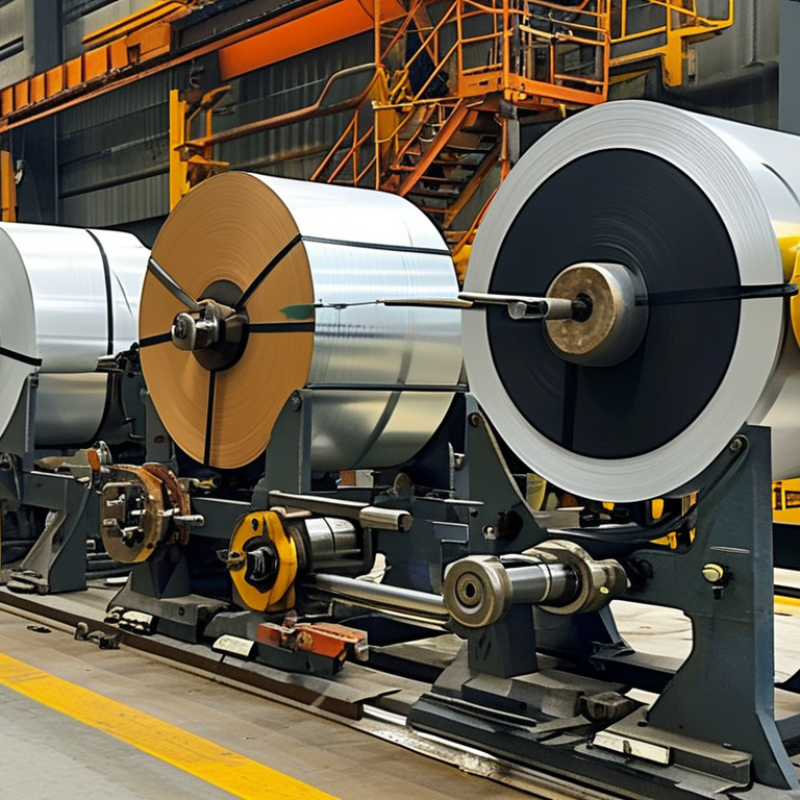
Choosing the right aluminum foil winding equipment starts by understanding its basics. This equipment plays a crucial role in the production of aluminum foil, which is extensively used in packaging, insulation, and other industrial applications. It's essential to recognize the specific needs of your production line to select the best machine. Analyze the foil thickness, width, and desired output speed before making a decision. Knowing these parameters can significantly impact efficiency and product quality.
Efficiency is key. Consider machines that offer adjustable winding tension. This feature can help prevent defects and ensure uniformity in the foil's thickness. Some equipment may offer automated controls, reducing manual oversight and potential error. However, automation can complicate maintenance. Operators should be cautious about relying too heavily on technology. Periodic checks are necessary to catch any issues early.
When evaluating options, think about material compatibility. Not all machines are suitable for every type of aluminum foil. Research thoroughly to ensure the equipment matches your requirements. User feedback can also be valuable. Engage with operators who have practical experience. Their insights may highlight advantages or shortcomings that aren't covered in specifications. Transparency in performance is essential for long-term reliability.
How to Choose the Best Aluminum Foil Winding Equipment? - Understanding the Basics of Aluminum Foil Winding Equipment
Feature
Description
Importance
Considerations
Motor Power
The power of the motor impacts the winding speed and efficiency.
High
Choose a motor that matches production demands.
Winding Precision
Measure of how accurately the foil is wound.
Critical
Look for adjustable settings for tighter or looser windings.
Size Capacity
Maximum width and thickness of foil that can be processed.
High
Ensure it fits your production needs.
Ease of Operation
User-friendliness of controls and settings.
Medium
Training may be required; user interfaces should be intuitive.
Durability
Build quality and expected lifespan of the equipment.
High
Check material quality and warranty options.
Maintenance
Ease and frequency of required maintenance tasks.
Medium
Look for devices with easy access to key components.
Key Specifications to Look for in Winding Equipment
When selecting aluminum foil winding equipment, key specifications play a crucial role. One essential factor is the winding speed. According to industry reports, optimal winding speeds range from 100 to 130 meters per minute for effective production. If the speed is too high, it may lead to uneven winding. Conversely, a slow speed could affect overall efficiency.
Another critical specification is the precision of the winding tension. Data suggests that maintaining consistent tension within 1-2% of the desired level is vital for quality. Inaccurate tension can result in defects, like loose or uneven coils. Additionally, the equipment's ability to handle various foil thicknesses adds versatility, allowing manufacturers to meet diverse customer demands.
It’s also important to assess the equipment's automation features. Advanced machinery often includes programmable interfaces that enhance repeatability. However, over-reliance on automation may lead to skill gaps in operators. Regular training can bridge this gap, ensuring that skilled personnel manage complex tasks effectively. Each of these specifications can significantly influence production outcomes and should be carefully considered.
Evaluating Different Types of Winding Techniques
Choosing the right winding technique for aluminum foil can significantly impact production efficiency. A 2021 industry report noted that precision in winding affects the final product’s performance. Techniques like circumferential and helical winding have specific advantages and drawbacks. Researchers emphasize that circumferential winding offers better tension control. This is crucial for consistent foil thickness, affecting heat conductivity. On the other hand, helical winding facilitates faster production speeds but may lead to tighter tolerances. A study revealed that 45% of manufacturers experience issues with foil wrinkling using this method. Ultimately, the choice of technique should factor in production volume and quality requirements. A mistake in winding technique can lead to costly material waste.
Moreover, the choice often relies on available machinery. Many companies lack the resources for specialized equipment. This complicates the decision-making process for optimal winding. An informal survey indicated that 30% of companies are unsure about their methods' reliability long-term. Industry experts recommend ongoing assessment of winding performance to ensure standards align with product demands. This adaptability is vital for maintaining market competitiveness.
Assessing Manufacturer Reputation and Customer Support
When choosing aluminum foil winding equipment, understanding the manufacturer’s reputation is crucial. Some companies have been in the market for decades. They have built reliability over time. Look for manufacturers with positive feedback from industry experts. Customer reviews can reveal a lot about service quality. A strong reputation often indicates consistent performance and quality.
Customer support matters significantly when investing in such equipment. Consider how easy it is to reach support teams. Response times can be a reflection of the company’s commitment to its customers. Some companies offer extensive documentation and troubleshooting guides. This can be particularly helpful for new users.
It may also be wise to evaluate after-sales support. Additional training or maintenance services are valuable considerations. Companies that invest in their customer relationships often have better follow-up services. Reflecting on your specific needs can guide your choice. Sometimes even reputable manufacturers may fall short in certain areas. Keep your expectations realistic and communicate clearly with potential suppliers.
Cost Considerations and Budgeting for Your Equipment Purchase
When considering the purchase of aluminum foil winding equipment, it's essential to focus on costs and budgeting. Begin by assessing the total costs associated with the equipment. This includes the initial purchase price as well as installation fees, maintenance, and potential training costs. Many often overlook these ongoing expenses. Before making a decision, create a detailed budget that factors in all these elements.
Researching the market is crucial. Pricing can vary significantly based on features and specifications. Set a realistic budget that aligns with your operational needs. Consider obtaining multiple quotes to understand the price range for similar equipment. Evaluating the long-term cost-effectiveness can lead to better decisions. Balance quality with affordability, as cheaper options may lead to higher maintenance costs later.
Don’t forget to consider financing options. Some manufacturers offer payment plans that can ease upfront financial burdens. Explore leasing models as well; these may provide flexibility without heavy commitments. Be cautious about hidden fees in contracts. Reflecting on these aspects will ensure a well-thought-out acquisition process. Investing time in this phase will pay off when choosing the most suitable equipment for your needs.
Cost Considerations for Aluminum Foil Winding Equipment