- Spanish-Latin America
- Japanese-JP
- Chinese
- Europe
- Português-BR

Tech Support
(888) 598-9901
Hours: Mon-Fri 8AM-8PM EST
nep-usa@site_ea168614-f5f4-4298-bd5b-880b4cf8d99d
How to Choose an Electric City Bike in 2026?
Choosing an electric city bike in 2026 requires more than comparing motor power and advertised range. Daily comfort, battery safety, repair access, and local riding conditions matter just as much. PeopleForBikes reported that U.S. e-bike sales exceeded one million units in 2022, showing how quickly electric cycling has entered mainstream transport. The International Energy Agency’s Global EV Outlook 2024 also identifies electric two- and three-wheelers as a major area of transport electrification, especially across Asian markets.
A reliable electric city bike should match your real routine. A 7-kilometer commute with steep streets needs different support from a flat, short grocery trip. Consider frame geometry, step-through access, hydraulic or mechanical brakes, tire width, lighting, and weather protection. Range is variable. Rider weight, hills, temperature, tire pressure, and cargo can reduce the manufacturer’s estimate. That number is not a promise.
Battery certification and service support deserve close attention. Look for clear information about charging systems, replacement batteries, warranty coverage, and recognized safety standards such as UL 2849 or EN 15194, where applicable. Bosch eBike Systems’ market research and technical guidance also emphasize regular maintenance, correct charging, and inspection of braking components. Still, premium branding does not guarantee perfect ownership. I may be too cautious about service networks, but a beautiful bike becomes frustrating when a simple sensor fault requires weeks of waiting. This guide compares the practical details that shape comfort, safety, cost, and long-term value when selecting an electric city bike in 2026.
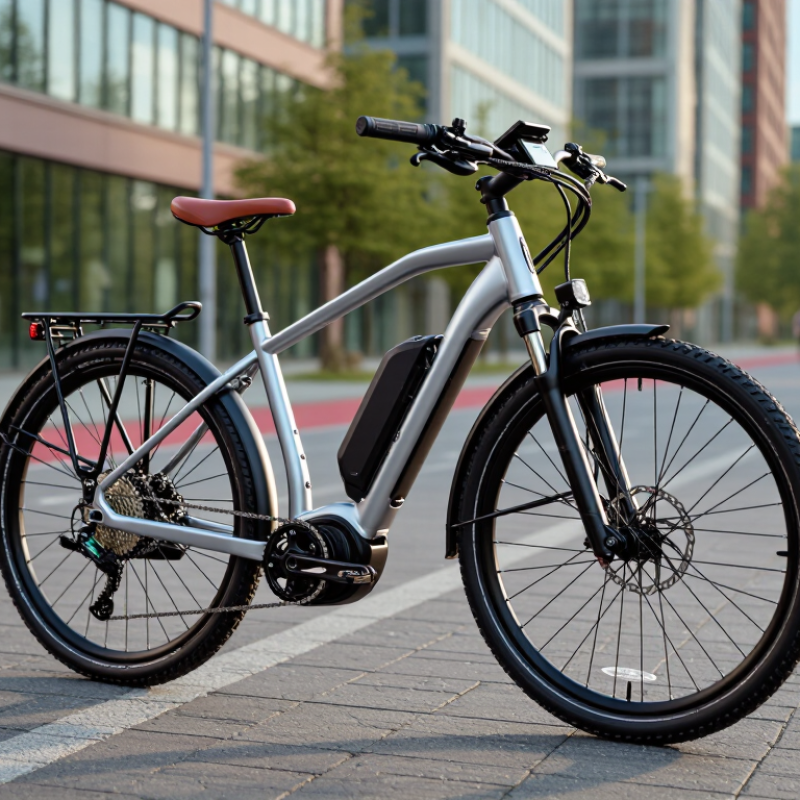
Define Your Daily Riding Needs and Urban Travel Conditions
Before choosing an electric city bike, map your ordinary week, not your most ambitious ride. Note the distance to work, grocery stops, and any regular detours. A six-mile commute can feel very different when it includes two steep hills and a heavy backpack. Think about where you will park, too. A narrow apartment hallway or crowded bike rack may make a bulky frame inconvenient. Small details matter.
Pay attention to the streets you actually use. Smooth paths, broken pavement, rain-slick corners, and frequent stoplights each affect comfort and control. If your route includes rough patches, wider tires and a stable riding position may feel more reassuring. Hills and repeated starts can increase battery demand, while cold weather may reduce the distance available from a charge. Leave some range in reserve; your daily trip rarely follows a perfect script. I once underestimated the time spent waiting at crossings, and the ride felt less predictable than my map suggested.
Also consider your routine at the destination. Will you carry the battery indoors, climb stairs, or leave the bike outside during a short errand? Measure the storage space and check whether charging is practical nearby. A short test ride on a similar surface can reveal an awkward reach or firm saddle that specifications cannot. Be honest about your habits. If you dislike riding in heavy traffic, a faster bike may not solve the real problem.
Get in touch
Our mission is to develop cutting-edge clean energy technology and provide next-generation solar inverters.
Phone
(888) 598-9901
nep-usa@site_ea168614-f5f4-4298-bd5b-880b4cf8d99d
