- Spanish-Latin America
- Japanese-JP
- Chinese
- Europe
- Português-BR

Tech Support
(888) 598-9901
Hours: Mon-Fri 8AM-8PM EST
nep-usa@site_ea168614-f5f4-4298-bd5b-880b4cf8d99d
How to Choose a Level 3 EV Charger?
Choosing a Level 3 Ev Charger starts with the vehicle, not the charger’s biggest number. “Level 3” commonly describes DC fast charging, but the term can vary by market. Check your vehicle’s manual for its connector, maximum DC charging rate, and charging limits. A 350 kW unit cannot make a car accept power beyond its own capabilities.
EV charging specialist Tom Moloughney’s practical guidance is often summarized this way: “Match the charger to the vehicle and the charging site, not just the advertised peak speed.” This is a paraphrase, not a verbatim quotation. It captures an important point: real charging speed changes with battery temperature, charge level, and vehicle settings. The number on the cabinet is only part of the story.
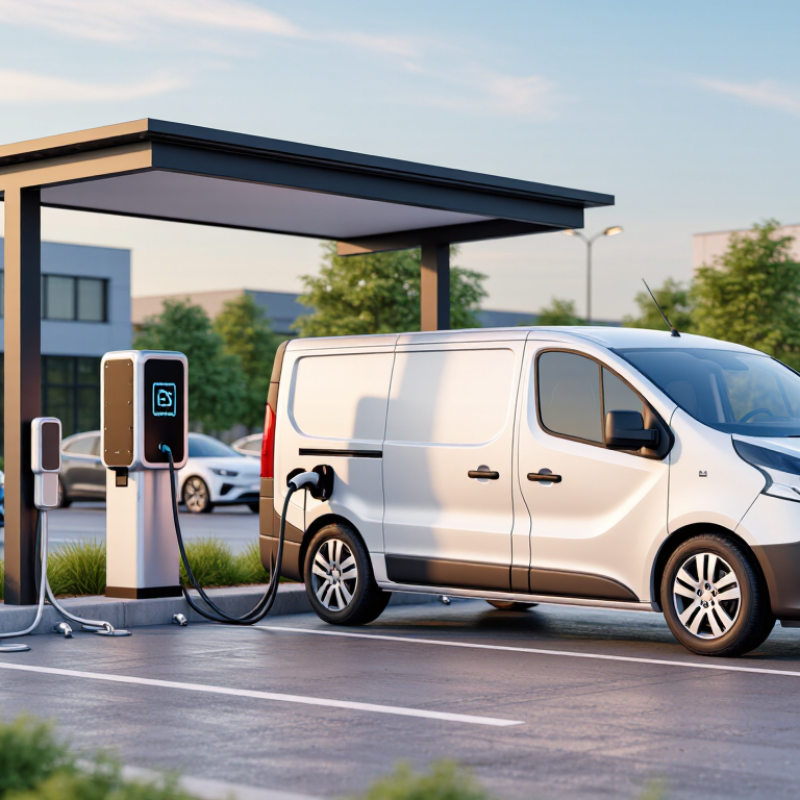
For a home or business site, examine electrical capacity, installation needs, cable reach, weather protection, payment options, and network support. Picture a delivery van arriving with a low battery during a busy afternoon. A charger’s uptime and placement may matter more than a peak rating that the van cannot use. Ask the supplier for clear warranty terms and service response details. Compare total installed cost, too.
There is no perfect choice. A feature-rich unit can still disappoint if repairs take weeks or drivers struggle with the interface. This guide will help you weigh compatibility, power, reliability, cost, and daily use before choosing a Level 3 Ev Charger. Check the small details. They matter.
Understand What a Level 3 EV Charger Is and How It Works
How to Choose a Level 3 EV Charger?
A Level 3 EV charger usually means a DC fast charger. Unlike a home AC charger, it converts grid power into direct current inside the charging station. The station then sends that power to the vehicle’s battery, bypassing the car’s onboard AC charger. The term “Level 3” is not used consistently everywhere, so check the charger’s actual DC output and connector type. That distinction matters.
Charging is a conversation. The vehicle and station exchange information about battery voltage, temperature, and the car’s maximum charging rate. The station adjusts its output, while the battery management system monitors charging conditions. Power may be high when the battery is low, then decrease as it fills. Cold or hot weather can also affect charging speed. Not instantly, though.
When comparing chargers, check whether the connector fits your vehicle and whether the station’s power is within the car’s charging limit. A charger’s advertised peak rate is not a promise of constant speed. For example, a driver might see fast charging at a low battery level, then watch the displayed estimate rise as charging slows near full. The cable can be heavy, too, and its reach matters when the parking space is awkward. The terminology can be confusing; charger labels do not tell the whole story.
| Selection Factor | What It Means | What to Check | Practical Guidance |
|---|---|---|---|
| Charger type | Level 3 is a common name for DC fast charging. The charger supplies direct current to the vehicle, largely bypassing the vehicle’s onboard AC charger. | Confirm that the vehicle supports DC fast charging. A Level 3 unit cannot make a vehicle charge faster than the vehicle’s own limits. | Check the vehicle manual or specifications before comparing charger power ratings. |
| Power output | Public DC fast chargers commonly provide around 50–350 kW, though available ratings vary by equipment and site. | Compare the charger’s rated output with the vehicle’s maximum DC charging rate and the power available at the site. | A higher-rated charger is not automatically faster for every vehicle. The vehicle may accept less power than the charger can supply. |
| Charging curve and time | Charging power changes during a session. Many vehicles reduce power as the battery fills, particularly at higher states of charge. | Look for the vehicle’s charging curve, recommended fast-charging range, and estimated session time under suitable conditions. | Plan around the time to reach the next useful charge level, not a promise of constant maximum power or a universal charging time. |
| Connector compatibility | DC connector types differ by vehicle and region. Examples include CCS1 and SAE J3400 in North America, CCS2 in many other markets, and CHAdeMO on some older vehicles. | Match the charger connector to the vehicle’s inlet and confirm any adapter is approved for that vehicle and charging use. | Check local connector requirements and the vehicle maker’s guidance; connector availability varies by market and model year. |
| Electrical capacity | High-power charging requires substantial electrical capacity. The site’s utility connection and distribution equipment can limit the power delivered. | Request a site assessment covering service capacity, transformer requirements, cabling, protection equipment, and utility upgrades. | Base the design on measured or confirmed site capacity, not just the charger’s nameplate rating. |
| Power sharing | When multiple dispensers operate together, some systems share a common power cabinet or site power limit. | Ask how output is allocated when several vehicles charge at once and whether dynamic load management is supported. | Evaluate the expected number of simultaneous sessions, especially for fleet depots and busy public sites. |
| Operating environment | Outdoor temperature, battery temperature, battery state of charge, and vehicle condition can affect charging speed. | Check the charger’s operating-temperature range, enclosure rating, cable handling, and suitability for the installation location. | Allow for slower charging in cold or hot conditions and follow the vehicle’s battery preconditioning guidance where available. |
| Safety and compliance | DC fast-charging equipment must be installed and operated in accordance with applicable electrical, building, accessibility, and safety requirements. | Confirm locally required certifications, permits, electrical protection, emergency shutoff provisions, and installation standards. | Use qualified electrical professionals and verify requirements with the relevant local authorities before purchase or installation. |
| Availability and maintenance | A charger’s usefulness depends on whether it is working, accessible, and maintained. | Review service response times, maintenance arrangements, parts availability, remote diagnostics, and uptime reporting. | For sites where charging access is essential, define support responsibilities and a repair process before commissioning. |
| Payment and connectivity | Public and workplace chargers may use network connectivity for payment, session management, monitoring, and software updates. | Check supported payment methods, network coverage, offline behavior, data access, and any recurring service fees. | Choose an approach that fits the site’s users and remains practical if internet connectivity is interrupted. |
| Total project cost | The charger hardware is only part of the cost. Installation, utility work, civil construction, networking, and ongoing maintenance can also contribute. | Request a full project estimate that separates equipment, installation, site upgrades, operating costs, and expected maintenance. | Compare complete lifecycle costs and site requirements rather than evaluating purchase price alone. |
Get in touch
Our mission is to develop cutting-edge clean energy technology and provide next-generation solar inverters.
Phone
(888) 598-9901
nep-usa@site_ea168614-f5f4-4298-bd5b-880b4cf8d99d
