- Spanish-Latin America
- Japanese-JP
- Chinese
- Europe
- Português-BR

Tech Support
(888) 598-9901
Hours: Mon-Fri 8AM-8PM EST
nep-usa@site_ea168614-f5f4-4298-bd5b-880b4cf8d99d
How to Choose a Hybrid Solar Charge Controller in 2026
In 2026, choosing a Hybrid Solar Charge Controller means matching the equipment to your actual system, not just comparing advertised power ratings. A controller may manage solar charging alone, or work alongside an inverter and grid or generator input. The word “hybrid” is not used identically by every manufacturer. Check the product manual to confirm what each model can do.
Start with the system’s battery voltage, solar array limits, and expected daily energy use. For example, note the panels’ open-circuit voltage and total wattage, then compare them with the controller’s input and charging limits. Check compatibility with your battery chemistry and its required charging settings. Small details matter. A mismatch can reduce performance or prevent components from working together.
Next, consider useful features such as MPPT charging, temperature monitoring, remote status access, and clearly stated protection limits. These features are only valuable when they suit your installation. A cabin with modest loads may need different capabilities from a home with a larger battery bank and backup power. Think about future expansion, too, but avoid paying for capacity you cannot use.
Before buying, compare manufacturer documentation, warranty terms, and support availability. Ask a qualified installer to review uncertain wiring or system requirements. No single model fits every setup. A careful choice begins with measured system needs, verified specifications, and a willingness to check assumptions before installation.
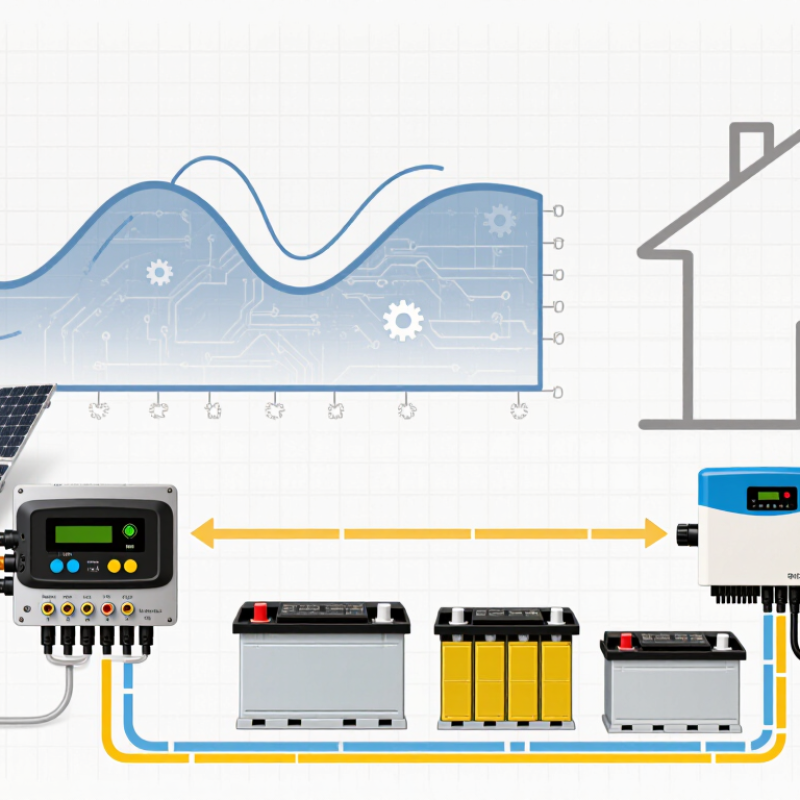
Identify Hybrid Functions: MPPT, AC Charging, and Backup-Source Switching
Choosing a hybrid solar charge controller in 2026 means checking how its functions work together, not just its headline power rating. The IEA’s Renewables 2023 report recorded nearly 510 GW of renewable capacity additions in 2023, with solar PV making up about three-quarters. More solar means more systems need dependable charging and backup arrangements. Still, a big market number cannot tell you whether a controller suits your roof or battery.
MPPT tracks the solar array’s operating point, but check its voltage window and maximum input current against your panels, especially on cold mornings. AC charging lets a generator or grid supply replenish batteries when sunlight falls. Match its adjustable current and voltage settings to the battery maker’s specifications.
Small details matter. Backup-source switching should state which source takes priority and how quickly the load transfers. A refrigerator may tolerate a brief pause; sensitive equipment may not. Ask for documented transfer time and test the setup under load. One number rarely tells the whole story.
I would also leave room for uncertainty: real-world performance depends on wiring, temperature, and installation, not the controller alone.
Get in touch
Our mission is to develop cutting-edge clean energy technology and provide next-generation solar inverters.
Phone
(888) 598-9901
nep-usa@site_ea168614-f5f4-4298-bd5b-880b4cf8d99d
