How to Choose the Right Vehicle Power Inverter for Your Needs?
When planning a road trip or spending time outdoors, a vehicle power inverter can be a game-changer. This device transforms your car's DC power into usable AC power, allowing you to charge devices or run small appliances. Choosing the right inverter is crucial. It should match your power needs and the devices you intend to use.
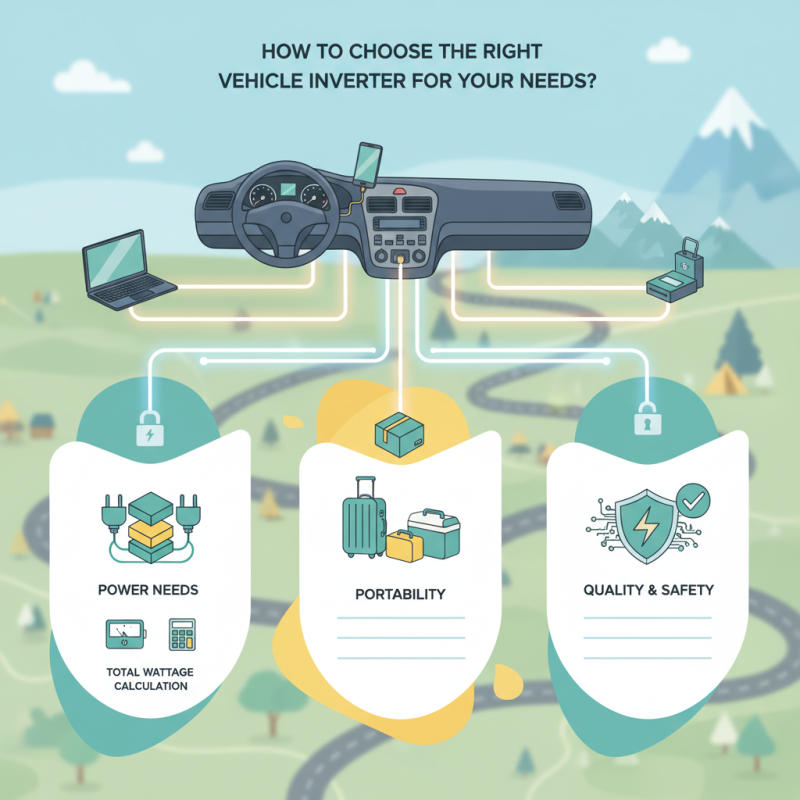
Many options are available, each with varying wattage and features. Determining your needs can be tricky. You must consider how many devices you will power simultaneously. Will you need to run a laptop and charge your phone at the same time? Knowing the total wattage helps in making the right choice. Think about portability as well. Some inverters are compact, easy to store, and transport. Others could be bulky and may not fit well in confined spaces. The choice can impact your overall travel experience.
Moreover, people often overlook the quality and safety of a vehicle power inverter. Investing in a reliable model is essential to avoid potential damage to your devices. As you explore the options, reflect on your specific needs. Not all inverters are equal, and understanding your unique requirements will guide you to a suitable choice.
Understanding Vehicle Power Inverter Basics and Types
When choosing a vehicle power inverter, understanding the basics is crucial. These devices convert your vehicle’s DC power into AC power. This allows you to use standard appliances while on the go. Inverters can range in size and capacity, impacting what devices they can power.
There are primarily two types of inverters: pure sine wave and modified sine wave. Pure sine wave inverters produce a clean and stable power supply, ideal for sensitive electronics. In contrast, modified sine wave inverters are less expensive but may not work well with all devices. Choosing the right type is vital for specific needs.
Installation can sometimes be tricky. It’s essential to consider the inverter’s wattage capacity when connecting devices. If the load exceeds its ratings, you might face performance issues. Remember to think about your vehicle's battery capacity, too. A mismatched setup can lead to draining your battery faster than expected.
Assessing Your Power Needs and Requirements for Inverters
When choosing a vehicle power inverter, assessing your power needs is crucial. Start by identifying the devices you plan to use. A small inverter might suffice for your phone and laptop. However, larger appliances will require a more powerful unit. This consideration helps avoid underperformance.
Tips: Calculate the wattage of your devices. This includes the start-up power, which can be significantly higher for some appliances. For example, a microwave may need more power at startup than when it is running steadily.
Consider the inverter’s output type as well. Many devices work best with pure sine wave inverters. They provide a cleaner energy source. Sometimes, modified sine wave inverters fall short. You might experience malfunctioning or damage.
Remember to check the inverter size. A compact design is ideal for limited space, but it shouldn't compromise power output. Each choice impacts performance and convenience. Balancing these will lead to better results. Investing time to evaluate each aspect is essential. It prevents future disappointments.
Evaluating Inverter Features: Modified Sine Wave vs. Pure Sine Wave
When choosing a vehicle power inverter, understanding the difference between modified sine wave and pure sine wave is crucial. Modified sine wave inverters are simpler and typically less expensive. They work well for basic devices, like lights and chargers. However, they can cause issues with sensitive electronics. Devices may not perform optimally, and there is a risk of overheating.
On the other hand, pure sine wave inverters produce a smooth and consistent power output. They are ideal for sensitive equipment such as computers and medical devices. They function like a standard electrical outlet. Although more costly, they prevent potential damage and ensure devices run smoothly.
Tip: Before buying, consider the devices you will power. If you only need basic functionality, a modified sine wave may suffice. For high-end or sensitive devices, invest in a pure sine wave inverter. Tip: Always calculate your total wattage needs. Choose an inverter that exceeds your needs by a notable margin. This helps prevent overloading. Remember, feedback from past experiences can guide your choice, even if it’s not perfect.
Considering Size and Portability for Vehicle Installation
When selecting a vehicle power inverter, size and portability are key factors. The compact design is essential for easy installation in various vehicle types. A smaller inverter can fit under a seat or in the trunk, saving space. However, it’s crucial to balance size with power output. Sometimes, a compact inverter doesn't meet your power needs.
Portability also plays a role in your choice. If you travel frequently, a lightweight inverter can make a difference. Look for units that come with carrying cases or straps. These features enhance convenience. But remember, convenient doesn't always mean durable. Some lightweight models may not withstand rough handling.
You might find that your chosen inverter doesn't suit all applications. It could lack enough ports or offer limited wattage. These limitations can be frustrating. Test the inverter in various settings to ensure it meets your demands. This trial will help you identify if the size and portability truly cater to your lifestyle.
Budgeting for Your Vehicle Power Inverter Purchase and Maintenance
When budgeting for a vehicle power inverter, start with your specific needs. Determine how much power you require. Take into account the devices you plan to charge or operate. Some inverters can be more expensive due to higher wattage. Consider the importance of portability, which might affect your budget. You may find lightweight inverters easier to transport but potentially costlier.
Maintenance costs are often overlooked. Ensure you allocate funds for periodic checks. Replace faulty wiring or connectors promptly to avoid further damage. A neglected inverter can lead to costly repairs down the line. Think about investing in a protective case. It adds some upfront costs but extends the life of your inverter.
Sometimes, cheaper inverters might save money initially but can fail unexpectedly. This can disrupt your plans. Always weigh the potential savings against the risk of short-lived products. It's essential to find a balance between quality and affordability. Reflect on your lifestyle and usage patterns to make a wise decision. Consider your long-term needs before making a purchase.