How to Choose the Right Power Electric Appliance for Your Home?
Choosing the right power electric appliance for your home can be challenging. With numerous options available, making an informed decision is crucial. According to John Smith, a power electric industry expert, “Selecting the right appliance enhances efficiency and comfort in your home.” This statement underscores the importance of careful consideration.
When evaluating power electric appliances, understand your needs. Are you looking for energy-efficient models? Investigate how different brands stack up. Not all appliances are created equal, even in the same category. For instance, one fridge may consume less energy than another, despite similar sizes. Expert recommendations can help navigate these choices.
Remember, budget constraints can complicate decisions. Sometimes, a cheaper alternative may seem appealing. However, it might lack the durability or efficiency of a higher-priced model. Balancing cost and quality is essential for long-term satisfaction. Thus, keep researching and seek advice. Your home deserves well-informed, practical power electric appliances that meet your unique requirements.
Identifying Your Home’s Power Needs and Requirements
When choosing power electric appliances, understanding your home’s power needs is crucial. Start by assessing the total wattage required for all your devices. A powerful appliance needs adequate energy supply; otherwise, it may underperform or cause electrical issues. Sometimes, homeowners underestimate the wattage. This oversight can lead to frequent circuit trips or damage to appliances.
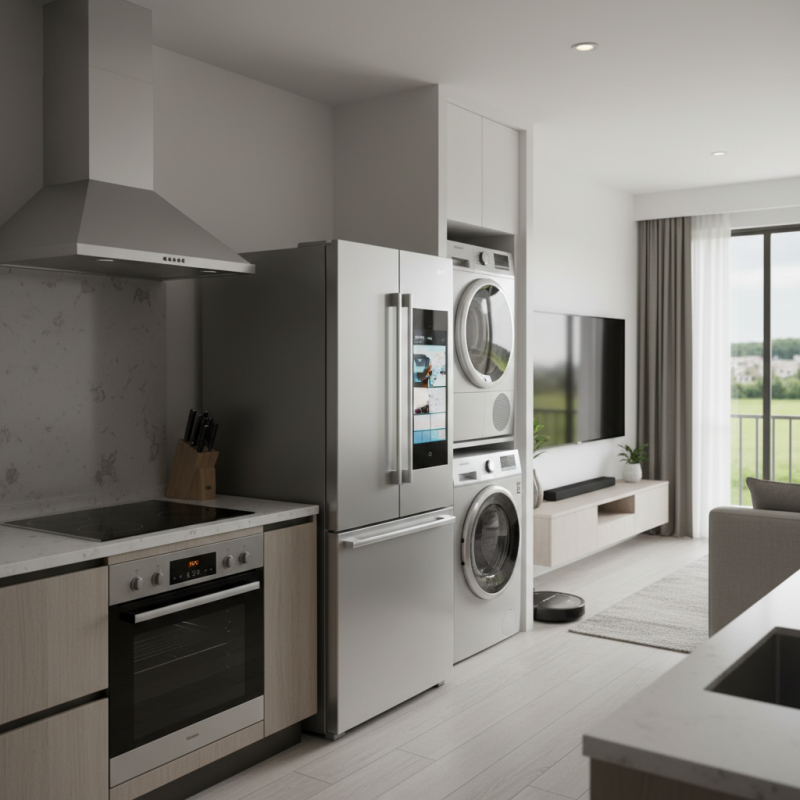
Consider the specific requirements of your household. High-demand appliances like refrigerators and washers require dedicated circuits. Calculate the energy consumption over time to identify peak usage hours. Balancing energy-efficient options with your needs can save costs and reduce environmental impact. Remember, not all homes are alike, and modifications may be necessary.
Evaluate the layout of your space, including plug availability. An area with limited outlets may need energy distribution solutions. Sometimes, older homes lack the infrastructure for modern appliances. It's essential to reflect on whether your home can adequately support the appliances you want. Small adjustments can make a significant difference in functionality and safety.
How to Choose the Right Power Electric Appliance for Your Home? - Identifying Your Home’s Power Needs and Requirements
Appliance Type
Average Power Consumption (W)
Estimated Monthly Usage (Hours)
Daily Energy Cost ($)
Comments
Refrigerator
200
720
0.24
Essential for food preservation.
Washing Machine
500
10
0.75
Increases convenience and saves time.
Microwave
1000
60
1.50
Quick meal preparation.
Air Conditioner
2000
400
8.00
Necessary for comfort in hot climates.
Television
150
120
0.30
Main source of entertainment.
Understanding Different Types of Electric Appliances Available
When selecting electric appliances for your home, understanding the types available is crucial. There are major categories, such as kitchen appliances, laundry machines, and climate control devices. Each category has distinct functions and energy requirements. For example, refrigerators keep food fresh, while microwaves heat meals quickly. Both serve important roles but differ significantly in power consumption.
Another type is home comfort appliances, including heaters and air conditioners. They influence your living environment directly. Using energy-efficient models can significantly lower utility bills. It’s essential to consider the size of your space. A small apartment may not need a large air conditioner, which could lead to unnecessary energy use.
Beyond functionality, aesthetics and placement matter. Some appliances look better in certain rooms. Think about how they fit into your existing decor. It's common to pick an appliance based solely on brand popularity. However, not all popular options are the best fit for every home. Reflect on your specific needs and the capacity of each appliance. This approach leads to a smarter choice, aligning function with personal taste.
Power Electric Appliance Usage in Households
Assessing Energy Efficiency Ratings and Costs
When choosing power electric appliances for your home,
energy efficiency should be a top priority.
Energy Star certified products can save homeowners up to
30% on energy bills.
These appliances often have better insulation and advanced technology to reduce energy use.
The U.S. Department of Energy reports that when
replacing an old refrigerator, for example, homeowners could cut energy consumption by nearly
50%.
Understanding energy efficiency ratings is crucial.
Ratings such as EER and SEER help consumers gauge how much energy
an appliance uses in relation to its output. A study by the The American Council for an Energy-Efficient Economy found that households using these metrics save significantly over time.
However, some consumers overlook these labels when making purchases, leading to potentially
higher long-term costs.
Careful analysis of upfront costs versus operational costs is necessary.
While some high-efficiency appliances may have a higher initial price tag, their long-term
energy savings often justify the expense.
Not all consumers are aware of this.
A lack of knowledge can lead to regrettable choices.
The decision to invest in energy-efficient appliances can
greatly impact financial savings and environmental sustainability in the long run.
Evaluating Size, Capacity, and Compatibility with Your Space
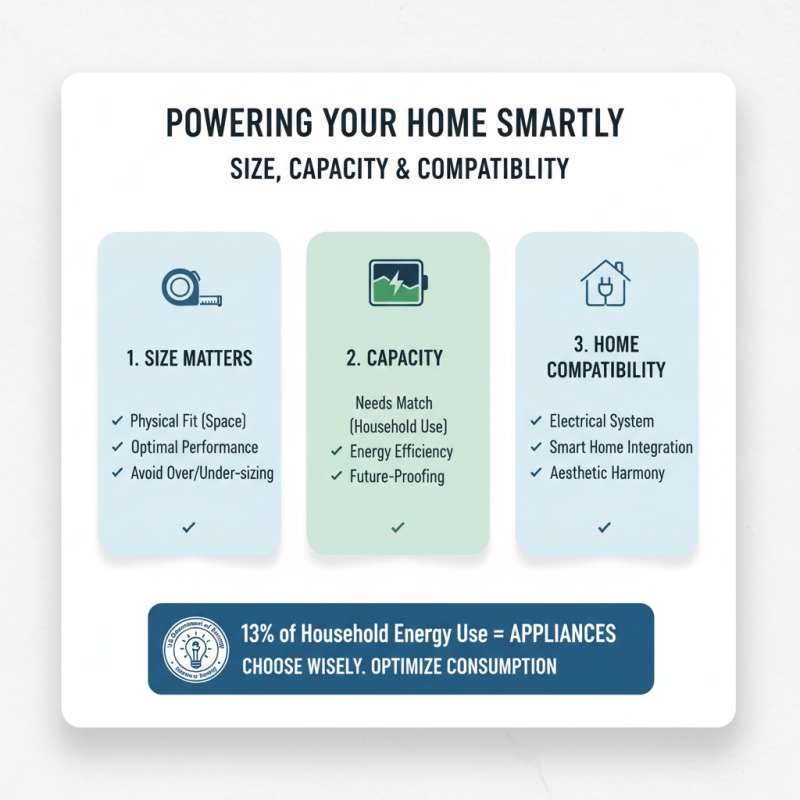
Choosing the right power electric appliance involves evaluating size, capacity, and compatibility with your home. A careful assessment can lead to better energy efficiency and performance. According to the U.S. Department of Energy, appliances account for about 13% of household energy use. Selecting appropriately sized appliances can optimize this consumption.
Appliance size matters significantly. Oversized units often consume more energy, leading to higher electricity bills. For example, an air conditioner that is too large can cycle on and off frequently, wasting energy and reducing longevity. A study by the Consumer Electronics Association reveals that 60% of consumers say they choose appliances based on their space's specific dimensions. By measuring your space accurately and considering layout factors, you can avoid purchasing appliances that dominate or underutilize your room.
Compatibility with existing electrical systems is crucial. Many homes have varying capacity limits, which can lead to safety hazards if neglected. An appliance that exceeds these limits could cause circuit overloads. Inspecting your home’s wiring can help prevent such issues. Consulting a professional electrician can provide insights into your home's power limitations, ensuring appliances work safely and efficiently. Overall, thoughtful evaluation of size, capacity, and compatibility fosters a more sustainable and comfortable living environment.
Considering Safety Features and Brand Reliability
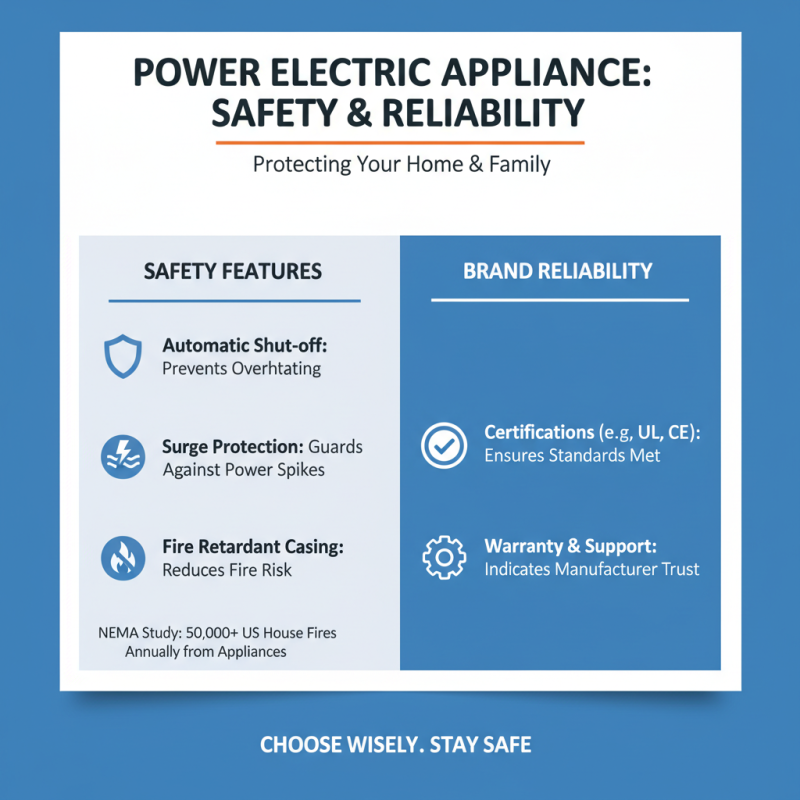
When selecting a power electric appliance, safety features are paramount. According to a study by the National Electrical Manufacturers Association, incidents related to electrical appliances cause over 50,000 house fires annually in the U.S. To mitigate such risks, look for appliances with built-in safety mechanisms like automatic shut-off and surge protection. These features can significantly reduce potential hazards in your home.
Brand reliability also plays a crucial role in your decision. Research from Consumer Reports indicates that customers often face challenges with less-established brands. Reliable brands tend to invest in safety testing and produce higher-quality products. A survey revealed that 70% of consumers prioritize brand reputation over cost when purchasing essential appliances. Yet, it is essential to remember that even well-known brands may have occasional recalls.
Understanding these aspects can empower your choices. Seek appliances evaluated by reputable safety organizations. This research might seem tedious, but making informed choices can protect your home. Instead of opting for the cheapest option, consider the long-term benefits of safety and reliability. Investing in quality products not only enhances your home's safety but also extends the appliance's lifespan, reducing waste in the long run.